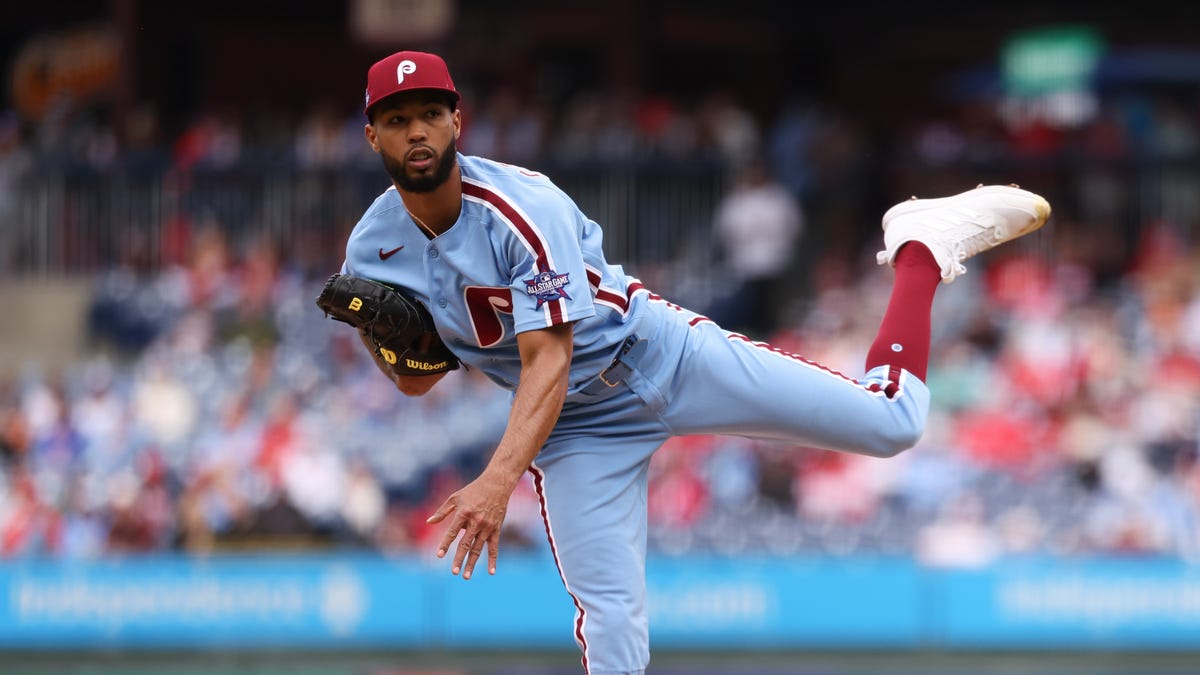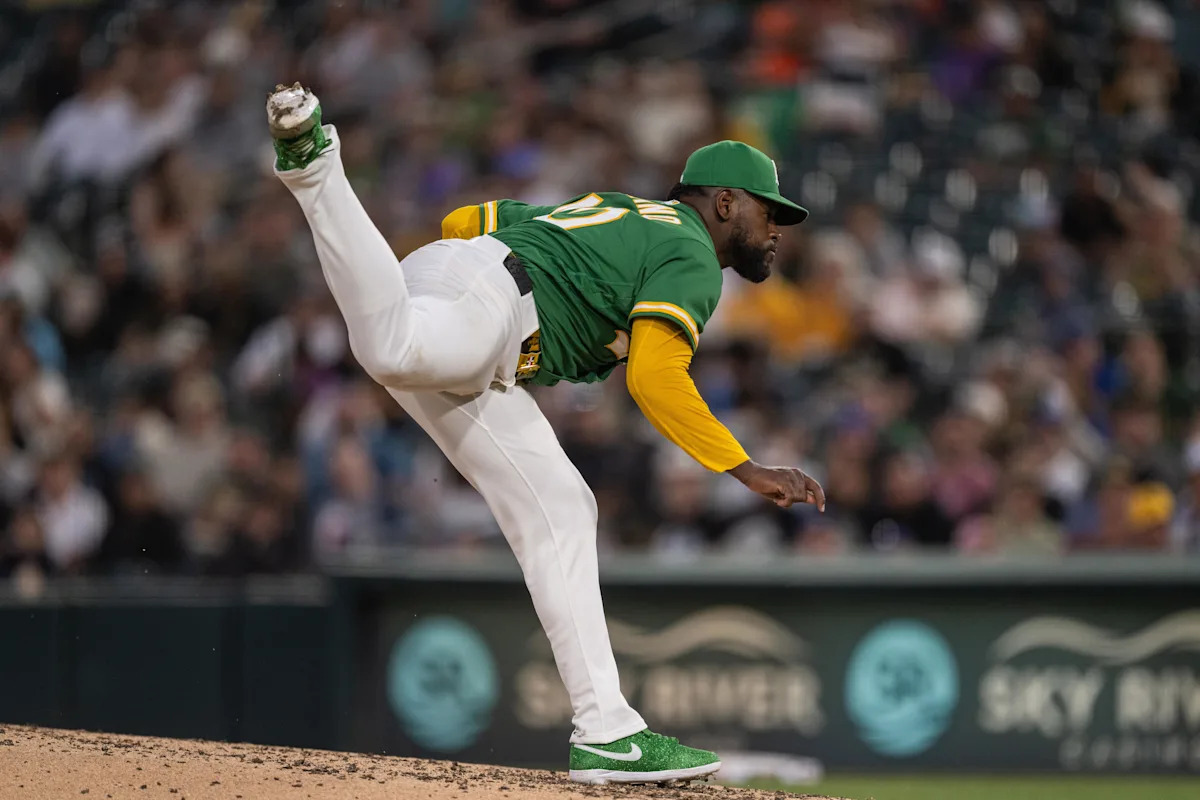
The interleague series between the Oakland Athletics and the Philadelphia Phillies provides a stark empirical study of the correlation—or lack thereof—between capital expenditure and competitive output. With a $282 million payroll, the fifth-highest in Major League Baseball, the Phillies’ 14-20 start represents a significant failure in resource-to-win conversion. This 10.5-game deficit in the NL East highlights a systemic inefficiency when compared to the Washington Nationals ($92M) and Miami Marlins ($77M), both of whom currently lead Philadelphia in the standings.
Economic Divergence and Roster Efficiency
Philadelphia’s strategic commitment to a veteran core has encountered immediate resistance, yielding a sub-.500 record despite maintaining the roster continuity of a 96-win team. Conversely, the Athletics (18-16) demonstrate superior capital efficiency. Their recent 7-1 victory over the Cleveland Guardians utilized a distributed power model, with Tyler Soderstrom, Zach Gelof, and Colby Thomas providing cost-effective offensive production that contrasts sharply with Philadelphia’s stagnant high-cost lineup.
The Athletics’ performance is further validated by their resilience against operational friction. This series marks their third East Coast road trip in the opening quarter of the season. For a roster constructed on precision and situational execution rather than raw power, the physiological tax of cross-country travel serves as a primary variable in their performance projection.
Tactical Matchups: Command vs. Volatility
The series opener centers on a high-variance pitching matchup. Luis Severino starts for the Athletics, carrying a 4.46 ERA and a 1.43 WHIP. His statistical profile is defined by a 5.4 BB/9 rate, a lack of command that represents a specific tactical vulnerability. While the Phillies’ veteran hitters are theoretically equipped to exploit high walk rates, their recent offensive inconsistency has neutralized such advantages.
Philadelphia counters with Cristopher Sanchez, tasked with providing rotation length to shield a bullpen under duress. The Phillies must replicate the offensive efficiency seen in their 7-2 win over Miami, where Bryson Stott’s power and Jesús Luzardo’s stability provided a rare glimpse of the high-floor performance their payroll demands. Jeff McNeil’s recent multi-hit consistency for the A’s further complicates Philadelphia’s defensive alignment.
Institutional Risk and ROI Projections
For the Phillies’ front office, the current trajectory poses an acute risk to the organization’s return on investment. The decision to sustain a top-tier payroll was predicated on elite performance; however, trailing lower-budget divisional rivals necessitates immediate operational adjustments. The Athletics, meanwhile, are maximizing their current talent window through defensive reliability and situational hitting.
Ultimately, the outcome at Citizens Bank Park will serve as a referendum on these two contrasting institutional philosophies. As Philadelphia attempts to close the 10.5-game gap, the primary determinant will be whether their high-valuation stars can outproduce Oakland’s efficient, low-cost contributors under the psychological pressure of a failing ROI.