Organizational Divergence: Asset Depletion vs. Organic Growth
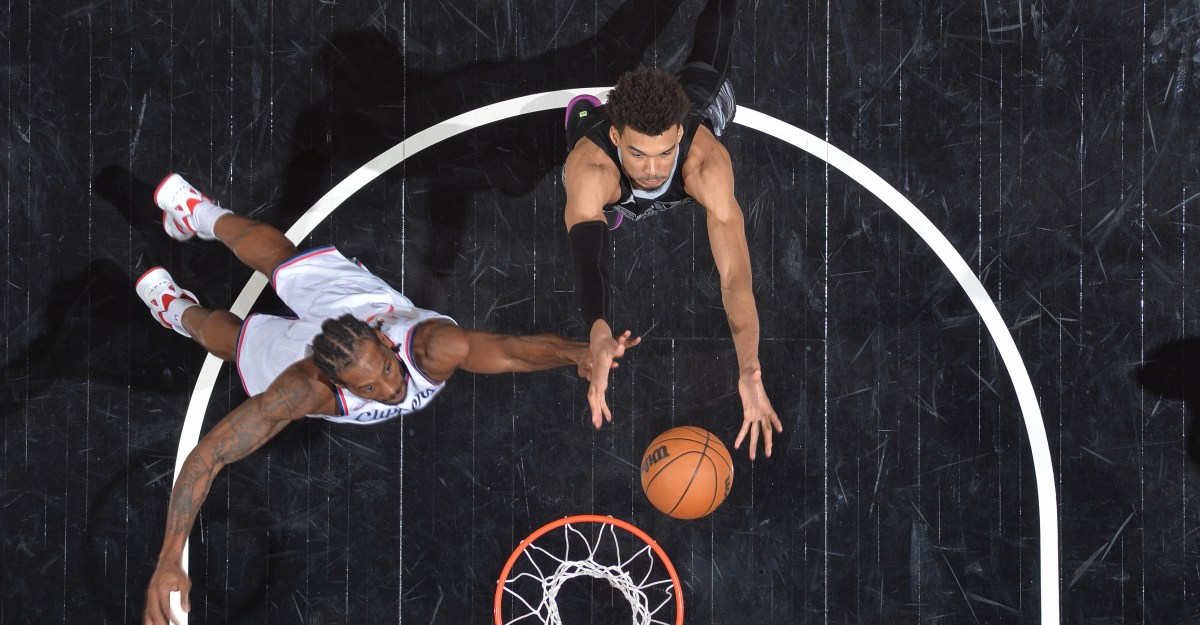
The March 6 matchup between the San Antonio Spurs (45-17) and the Los Angeles Clippers (30-31) serves as a definitive case study in contrasting team-building philosophies. The Clippers, navigating the 2025-26 season with the NBA’s oldest roster, are currently grappling with the consequences of an aggressive ‘win-now’ window characterized by significant asset depletion. Their 2-13 start in November highlighted a critical misalignment between roster age and the transition-heavy demands of the modern Western Conference.
Structural instability was further exacerbated by the loss of Bradley Beal to a season-ending hip fracture. This injury represents a massive depreciation of the team’s primary summer investment, forcing an offensive pivot that places an unsustainable high-usage burden on an aging rotation. The mid-season departure of James Harden—precipitated by a financial impasse—further signals a transition in the Clippers’ competitive window, prioritizing cap elasticity over the short-term talent ceiling provided by the former MVP.
Kawhi Leonard: Stabilizing the Play-In Perimeter
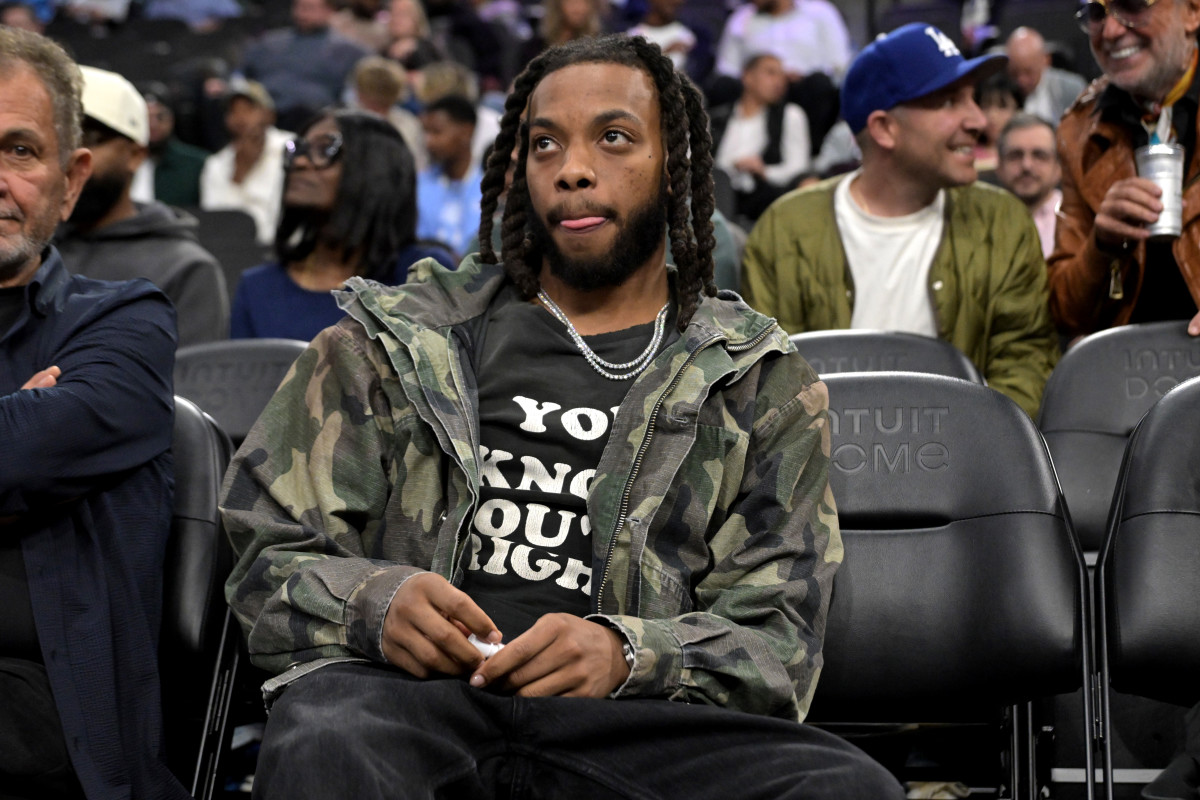
Despite systemic volatility, Kawhi Leonard remains the Clippers’ sole stabilizing force. Transitioning from a restricted minutes protocol into a high-productivity phase, Leonard’s efficiency has dragged the Clippers from a 6-21 floor to the play-in periphery. However, the roster’s lack of secondary playmakers—compounded by Darius Garland’s toe injury—leaves the offense vulnerable to aggressive double-teams.
This vacuum has necessitated the emergence of Bennedict Mathurin, whose recent 23-point performance against Indiana suggests a forced evolution toward younger, high-energy wings. While Mathurin provides verticality and spacing, the Clippers’ path to an upset rests entirely on Leonard’s ability to dictate tempo in isolation and neutralize the Spurs’ defensive recovery speed.
The Wembanyama-Fox Axis and Defensive Infrastructure
Conversely, the San Antonio Spurs have executed a multi-year blueprint that has reached competitive maturity. Occupying the second seed, the Spurs are anchored by Victor Wembanyama, whose defensive gravity—exemplified by a 38-point, 16-rebound, 5-block effort against Detroit—has reconfigured the league’s interior scoring margins. The addition of De’Aaron Fox has stabilized the backcourt, providing a high-speed engine capable of exploiting the Clippers’ lateral mobility deficits.
San Antonio’s defensive infrastructure forces opponents into low-efficiency, mid-range attempts. For a Clippers squad that relies heavily on Leonard’s mid-range execution, Wembanyama’s length represents a significant tactical hurdle. The Spurs’ ability to rotate and contest at the rim minimizes the effectiveness of the Clippers’ isolation-heavy sets.
Tactical Variables: SEGABABA and the 6.5-Point Spread
The primary variable for this contest is the ‘Second Game of a Back-to-Back’ (SEGABABA) factor for San Antonio. Following an intense matchup against the Pistons, the Spurs must manage fatigue levels at Frost Bank Arena. Despite this scheduling disadvantage, the 6.5-point spread in favor of San Antonio reflects market confidence in their depth and defensive consistency. The over/under of 221.5 suggests a controlled pace, likely dictated by San Antonio’s rim protection and the Clippers’ preference for half-court sets.
With Darius Garland confirmed out, the Clippers’ backcourt depth is compromised, limiting their ability to exploit any fatigue-related lapses in the Spurs’ perimeter defense. Strategic rotation management will be paramount, as the Clippers seek to maximize Leonard’s minutes while the Spurs aim to maintain the transition pressure that has defined their 45-win campaign.