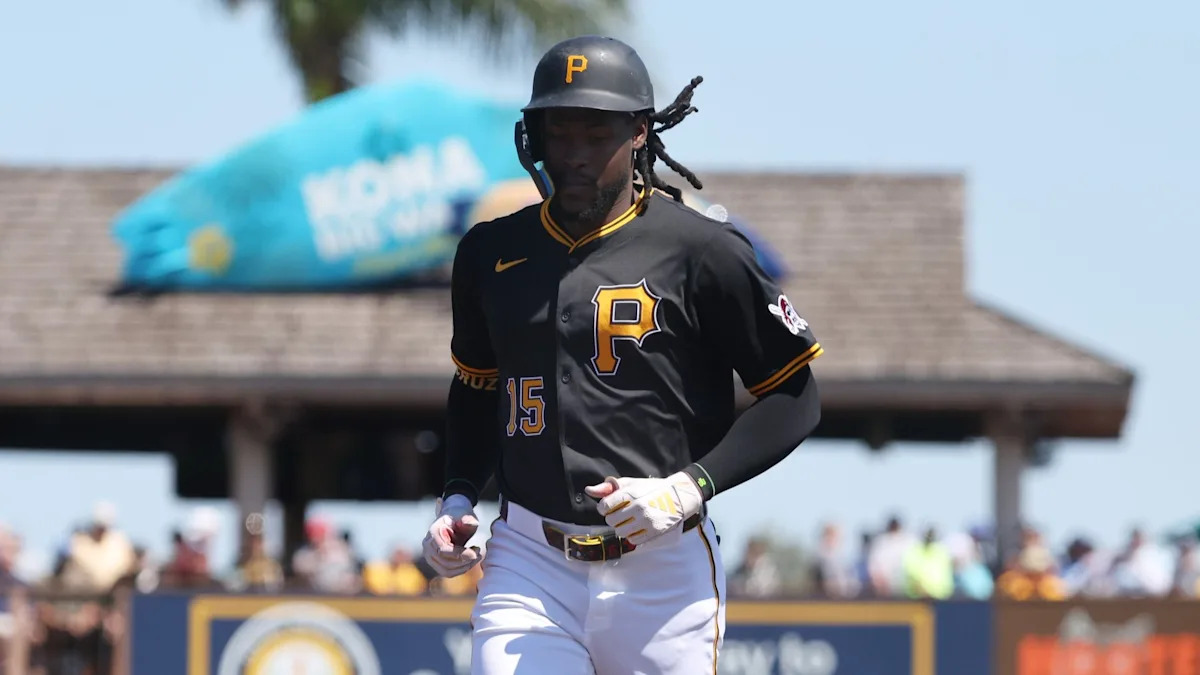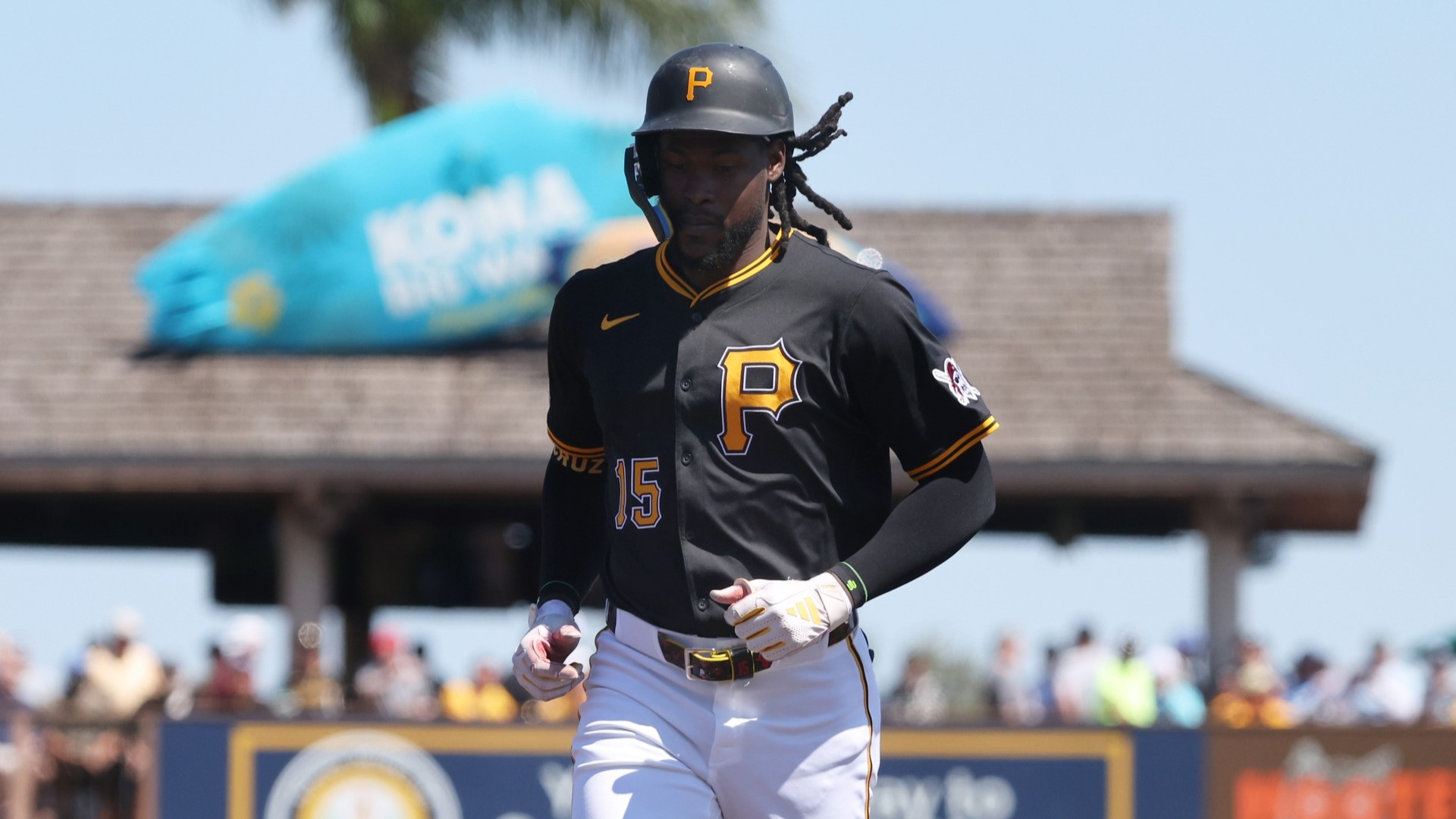
Oneil Cruz, a Pittsburgh Pirates outfielder celebrated for his rare blend of power, speed, and arm strength, is undertaking a rigorous offseason program. This strategic initiative aims to transform his performance trajectory by addressing consistency issues that have historically limited his impact. Cruz’s immense physical tools have long hinted at superstardom, but translating that potential into reliable, high-level production has been the primary challenge of his five-year MLB career.
Targeted Skill Enhancement and Strategic Development
Cruz’s commitment to improvement is evidenced by specific, data-driven training adjustments. He has enlisted a left-handed batting practice pitcher to hone his approach against same-sided velocity, a crucial step in neutralizing a known platoon disadvantage. This targeted drill directly combats a performance gap that has significantly hampered his offensive output against a substantial portion of Major League pitching.
Furthermore, Cruz is seeking advanced defensive tutelage from four-time Gold Glove winner Kevin Kiermaier. This collaboration signifies a holistic approach to player development, recognizing that elite outfield defense is as vital to team success as offensive prowess. Such investments underscore the Pirates’ organizational philosophy of maximizing the multifaceted talents of their high-potential assets.
Performance Analysis and Incentive Alignment
The stakes for both Cruz and the Pirates are considerable, particularly when examining his performance metrics from the latter half of the previous season. Over a 110-game span from April 27 onwards, Cruz registered a .184 batting average, .280 OBP, and .333 SLG, with 12 home runs, 45 RBIs, and 146 strikeouts. These statistics fall significantly below the expectations for a player possessing his caliber of physical gifts and theoretical impact.
The financial and reputational implications of Cruz’s development are intrinsically linked. For Cruz, achieving peak performance translates directly to enhanced long-term earning potential and career security. For the Pirates, a consistently productive Cruz represents a franchise cornerstone, capable of driving competitive success, boosting fan engagement, and increasing overall franchise valuation.
Spring Training Indicators and Season Outlook
Early indicators from spring training suggest Cruz’s offseason efforts may be yielding positive results. Through five games, he recorded two extra-base hits, scored five runs, and stole three bases, posting a .538/.600/.846 slash line. While preliminary, these statistics offer a glimpse into the potential impact of his focused preparation and refined approach.
The paramount challenge will be translating this nascent spring success into sustained, game-altering performance throughout the regular season. The Pirates organization and its fanbase are keenly aware that intermittent flashes of brilliance must coalesce into reliable, high-impact play. The upcoming season will serve as a critical assessment of Cruz’s ability to bridge the gap between his immense physical talent and consistent, elite production.
Organizational Investment and Stakeholder Expectations
The Pirates’ investment in Cruz extends beyond typical player development; it represents a strategic commitment to talent maximization. The integration of specialized coaching and granular skill enhancement reflects an organizational ethos focused on extracting the utmost from high-potential assets, a crucial differentiator in a competitive MLB landscape.
Stakeholders, including ownership, management, and the fanbase, harbor significant expectations for Cruz’s progression. A successful turnaround would validate the organizational strategy and investments in player development, bolstering the team’s on-field competitiveness. Conversely, a continued struggle for consistency could prompt scrutiny of player evaluation and development methodologies.
Competitive Landscape and Market Positioning
Within the Major League Baseball ecosystem, players with Cruz’s physical profile are exceptionally valuable due to their potential for game-changing impact. However, the league consistently rewards consistency and strategic execution, areas where Cruz has historically faced hurdles.
As a franchise, the Pirates continuously seek competitive advantages. Developing and retaining players like Cruz, who possess elite physical attributes, is foundational to their long-term strategy. His ability to reach his full potential directly influences the team’s capacity to contend and its standing within the division.
Capital Allocation and Performance Leverage
The capital allocated to specialized player development represents a significant investment for any MLB club. For the Pirates, maximizing the return on this investment through players like Cruz is essential, as his performance directly leverages the resources dedicated to his growth, impacting the team’s financial and competitive standing.
A fully realized Cruz could provide substantial performance leverage, potentially offsetting costs in other roster areas and enhancing overall economic efficiency. His consistent high-level contribution could reduce the reliance on external acquisitions, strengthening the team’s financial flexibility by prioritizing internal talent development.
Media Narrative and Public Perception
The public and media narrative surrounding Cruz has consistently focused on his prodigious talent, often juxtaposed with concerns about his consistency. The success of his offseason program, as reported by outlets such as The Pittsburgh Post-Gazette, directly shapes this evolving narrative.
A strong 2026 season would pivot the perception from unrealized potential to that of a star fulfilling his promise, significantly impacting fan engagement and the Pirates’ brand. Conversely, continued inconsistency could foster a narrative of disappointment, affecting team morale and external confidence.
Operational Focus and Tactical Execution
Cruz’s engagement with specialized coaches like Kiermaier and the use of a left-handed batting practice pitcher exemplify a granular focus on operational improvements. These are tangible, tactical adjustments designed to address specific deficiencies, a precision often critical for differentiating raw talent from consistent, high-level performance.
The ultimate test will be integrating these refined skills into game situations. Executing these improvements under competitive pressure is the key to translating practice into performance. The Pirates’ coaching staff will play a pivotal role in ensuring these operational gains manifest as effective tactical execution on the field.
Long-Term Strategic Implications for the Pirates
The trajectory of Oneil Cruz’s career holds significant long-term strategic implications for the Pittsburgh Pirates. If he achieves his potential, he becomes a foundational player around whom the franchise can build a sustained period of competitiveness, influencing future player acquisition, contract negotiations, and the team’s competitive window.
Conversely, failure to consistently deliver could force difficult organizational decisions regarding his role and resource allocation, potentially necessitating strategic pivots such as trades or re-evaluations of development models. Cruz’s development is therefore a critical variable in the Pirates’ strategic planning.
Capital Movement and Talent Valuation
The market valuation of players with Cruz’s physical profile is exceptionally high, driven by transformative impact potential. His current performance level likely places his valuation below his theoretical ceiling. Successful development would precipitate a significant upward movement in his market valuation, influencing future contract negotiations and trade asset potential.
For the Pirates, developing such talent internally offers a more capital-efficient strategy than acquiring established stars. Cruz’s successful transformation directly impacts the team’s ability to manage payroll effectively and allocate capital to other needs, such as pitching or roster depth.
Performance Leverage and Competitive Advantage
Performance leverage, the ability of a player to consistently deliver above-average production across multiple categories, is central to understanding Cruz’s importance. Cruz’s physical tools suggest elite leverage potential, contingent on consistent execution.
Achieving this leverage would grant the Pirates a tangible competitive advantage, enabling them to compete effectively even against teams with larger payrolls. The strategic imperative for the Pirates is to convert Cruz’s potential into this game-changing leverage.
Stakeholder Alignment and Future Outlook
Alignment among Cruz, his agents, the Pirates’ front office, and the fanbase is crucial for navigating the path to sustained success. While all parties desire peak performance from Cruz, the strategies and timelines may vary. Open communication and a shared commitment to the development plan are paramount.
The 2026 season represents a critical juncture for both Cruz’s career and the strategic direction of the Pittsburgh Pirates. His ability to finally synthesize his physical gifts will have far-reaching effects across the organization, influencing its competitive standing, financial planning, and overall identity in Major League Baseball.