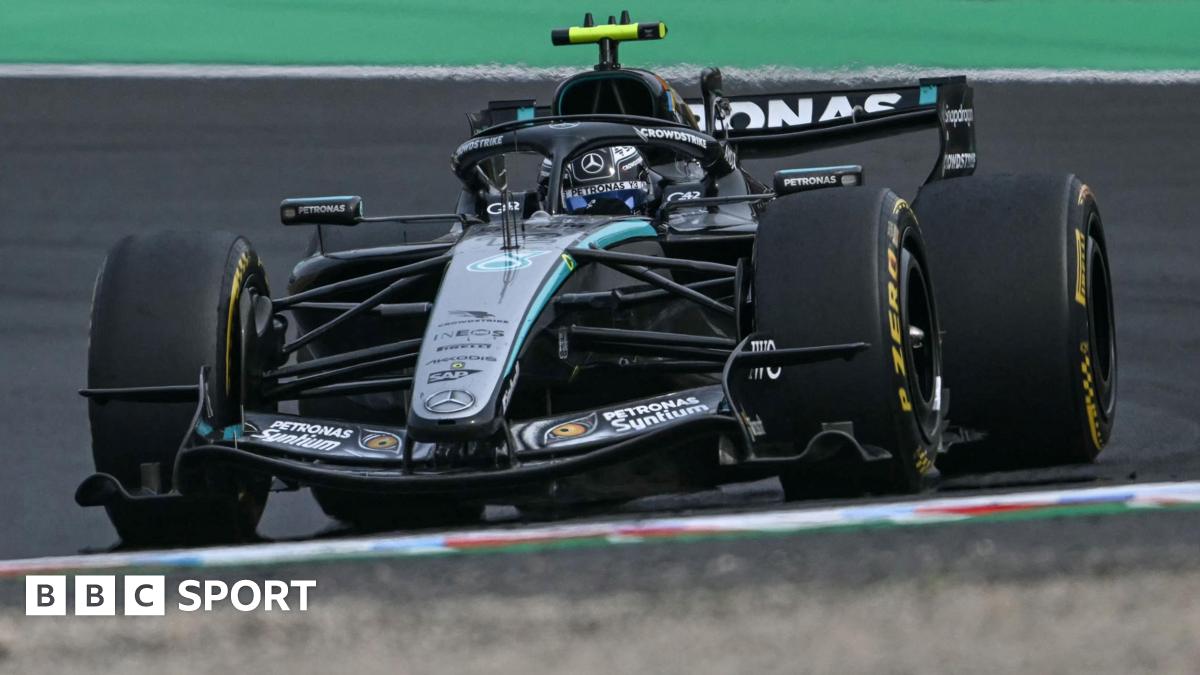
The 2026 Japanese Grand Prix has provided the most definitive data set yet regarding the efficacy of the new technical regulations. Beyond the spectacle, Suzuka served as a laboratory for energy management and aerodynamic efficiency, marking a stark recalibration of the grid’s hierarchy. Mercedes has successfully transitioned from a period of experimental volatility to one of optimized performance, driven by a chassis-power unit integration that currently leads the field in thermal efficiency and deployment mapping.
The ‘Tabula Rasa’ Advantage: Antonelli’s Neuro-Technical Integration
Kimi Antonelli’s pole position is not merely a feat of raw speed but a demonstration of high-frequency cognitive adaptation. Unlike veteran drivers who must unlearn the high-downforce, high-inertia habits of previous eras, Antonelli’s driving style is natively calibrated to the 2026 regulations. This ‘tabula rasa’ effect allows for a more fluid interface with the complex energy recovery systems (ERS) and the increased reliance on active aerodynamic surfaces.
By optimizing the harvesting phases without the bias of older braking signatures, Antonelli has unlocked a level of efficiency in the W17 that George Russell is currently striving to match. This internal Mercedes dynamic is further complicated by the high-stakes tactical battle involving Lewis Hamilton, where the margin for error in energy deployment is measured in milliseconds. The senior drivers are forced into a higher state of cognitive load to manage both the car’s digital systems and the evolving intra-team hierarchy.
McLaren’s MCL41: Resolving the Reliability-Performance Paradox
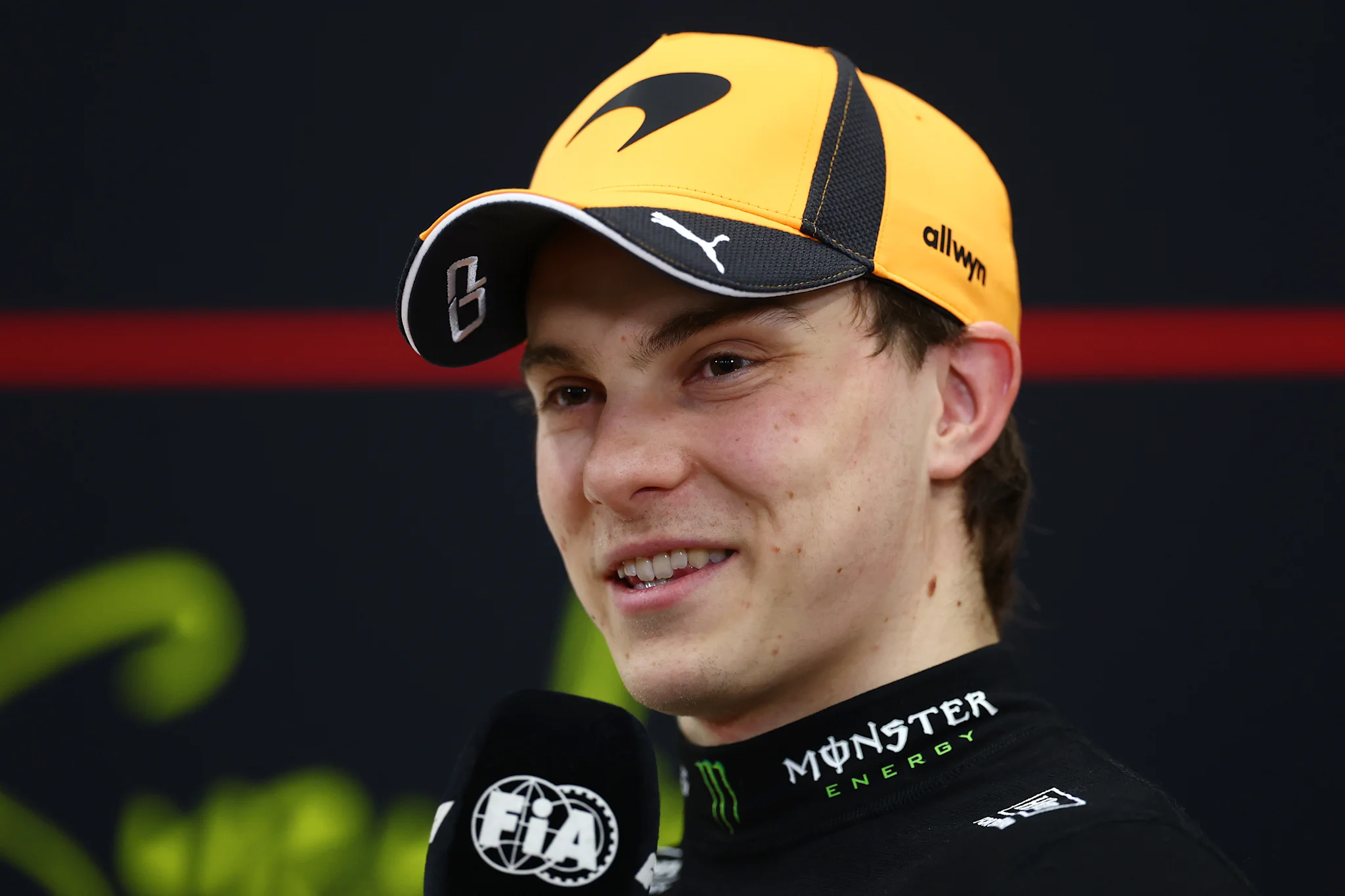
Oscar Piastri’s P3 qualification represents a critical engineering milestone for McLaren. Following the catastrophic electrical failures in China and the retirement in Australia, the team’s performance at Suzuka validates a fundamental shift in their quality control protocols and power unit integration. The 1m 29.132s lap time indicates that McLaren has moved beyond ‘survival mode’ into a phase of granular aerodynamic refinement.
The stabilization of the MCL41’s aero-elastic window has granted Piastri the confidence required to exploit the high-speed sectors of Suzuka. For a driver who has lacked race mileage this season, this technical predictability is essential. McLaren’s focus now shifts from resolving systemic hardware failures to optimizing their ‘dirty air’ performance—a prerequisite for challenging Mercedes on high-degradation circuits.
Structural Load Analysis: The 50G Threshold and Survival Cell Integrity
Oliver Bearman’s high-velocity impact at the Spoon curve served as a involuntary stress test for the FIA’s 2026 safety structures. A 50G deceleration event subjects the carbon-fiber monocoque and the HANS device to extreme load paths. While the survival cell functioned as intended, clearing Bearman of skeletal fractures, the resulting right knee contusion and neurological monitoring emphasize the physical toll of modern F1 crashes.
From a logistical standpoint, a 50G impact triggers a mandatory decommissioning of the chassis and PU elements for deep-tissue ultrasonic inspection. In the context of the strict 2026 budget cap, the loss of a primary tub during the Pacific flyaway leg imposes a significant financial and manufacturing strain. The team must now balance the immediate need for a spare chassis against the planned upgrade trajectory for the European season.
The Five-Week Developmental Chokepoint
The upcoming hiatus in the 2026 calendar functions as a strategic crucible. This is not a cessation of activity but a high-intensity phase of Computational Fluid Dynamics (CFD) and simulator-driven iteration. For Aston Martin, who have suffered a statistically significant performance deficit, these five weeks are existential. The team must diagnose the correlation gap between their wind tunnel data and the erratic on-track behavior of their current aerodynamic map.
Leading teams will utilize this window to consolidate their gains in energy deployment algorithms, while midfield teams will look to implement major structural upgrades. The capital allocation during this period is restricted by the cost cap, meaning teams must be surgically precise in their developmental choices. The results of this hiatus will likely dictate the championship order through the summer, as the field shifts toward the more traditional circuit profiles of Europe.