

NASCAR’s Strategic Broadcast Realignment Driven by $7.7 Billion Media Rights Deal
The 2026 NASCAR Cup Series broadcast schedule signals a profound strategic realignment, with the primary Fox network curtailing its live race coverage earlier than historically observed within its segment of the season. This pivotal shift dictates that three key races—the Wurth 400 at Texas Motor Speedway, Watkins Glen International, and the All-Star Race at Dover Motor Speedway—will transition to exclusive live broadcast on Fox Sports 1 (FS1).
This reallocation of premium live content is not merely an operational adjustment but a deliberate manifestation of the recently finalized seven-year, $7.7 billion media rights agreement, which commences with the 2025 season. The landmark deal, forged with Fox, NBC, Amazon Prime Video, and TNT Sports, fundamentally redefines NASCAR’s content distribution ecosystem, reflecting intricate evolving dynamics in sports media monetization and audience consumption patterns.
Optimizing Value: Content Allocation Across Tiered Broadcast Ecosystems
Under the stringent terms of the new media rights agreement, Fox’s 14-race season-opening segment, encompassing two exhibition events, strategically deploys its live broadcasts across its network portfolio. While Fox commenced the 2026 season by airing four consecutive races on its main channel, including the preseason Clash and the initial three points races, the substantial majority—eight out of 14 allocated events—are designated for FS1.
This calculated tiering strategy is mirrored in NBC’s season-ending portion, where a significant ten out of 14 races are slated for live broadcast on USA Network, bypassing the primary NBC channel. Such a pronounced shift of high-value sports programming from flagship over-the-air networks to their specialized cable and streaming subsidiaries represents a shrewd commercial maneuver designed to fortify these dedicated platforms, driving subscriber acquisition, enhancing perceived value, and differentiating offerings in an increasingly saturated and competitive media landscape.
The Financial Imperative: Valuation, Revenue, and Ecosystem Growth
The monumental $7.7 billion valuation ascribed to NASCAR’s media rights over seven years represents a profound capital commitment from its broadcast partners, underscoring the enduring commercial viability and strategic importance of live sports content as a scarce and valuable asset. This substantial financial infusion provides NASCAR with a robust and predictable revenue stream, critically underpinning the sport’s long-term operational stability, facilitating significant investments in R&D, technological advancements, and foundational infrastructure upgrades.
This secured capital flows directly into the NASCAR economic ecosystem, influencing prize money distributions, bolstering team budgets for talent acquisition and operational efficiencies, and enabling track owners to enhance facilities and event promotion. The reallocation of events like the All-Star Race to venues such as Dover Motor Speedway can be interpreted as strategic decisions aimed at maximizing event appeal, local economic impact, and fan experience within the context of this revitalized financial framework, ultimately reinforcing the sport’s competitive posture within the global sports entertainment market.
Audience Segmentation: Leveraging Cable and Streaming for Targeted Monetization
The strategic decision by both Fox and NBC to route a majority of NASCAR races to their respective cable channels, FS1 and USA Network, embodies a sophisticated approach to audience segmentation and monetization. This strategy capitalizes on the inherently dedicated viewership of cable sports networks, which typically attract a more passionate, engaged, and consistently subscribing fan base.
By channeling a significant portion of live races to these premium platforms, broadcasters can optimize advertising revenues through more precise demographic targeting, command higher per-subscriber fees, and cultivate deeper engagement metrics, rather than relying solely on the broader, often less engaged, audience of free-to-air networks. This approach grants granular control over content distribution, enabling a more efficient capture and maximization of value from the sport’s core following while concurrently driving subscriptions to their specialized offerings.
The Digital Vanguard: Amazon Prime Video and TNT Sports’ Strategic Entry
A transformative element within the new media rights agreement is the groundbreaking inclusion of Amazon Prime Video and TNT Sports, each poised to broadcast five races during the intermediate segment of the season. Amazon Prime Video’s entry into NASCAR broadcasting is particularly significant, emblematic of the accelerating trend where major technology companies are aggressively acquiring premium live sports rights not just for advertising, but primarily to drive subscription growth and enhance stickiness within their broader digital ecosystems.
This strategic move by Amazon Prime Video signifies a fundamental shift in the sports media landscape, directly challenging the traditional hegemony of linear television broadcasters and accelerating the inexorable migration of live sports content to streaming platforms. For consumers, this translates to increased viewing optionality but simultaneously necessitates navigating a more fragmented viewing environment, often requiring multiple subscriptions to access a complete season of their preferred sport, introducing potential friction in fan experience.
Preserving Brand Equity Amidst Platform Proliferation
Despite the inherent fragmentation across diverse broadcast channels, the deliberate maintenance of the established FS1 broadcast booth team—Mike Joy as lead announcer, flanked by analysts Clint Bowyer and Kevin Harvick—across both Fox and FS1 broadcasts represents a crucial operational and brand continuity strategy. This consistent personnel aims to safeguard a familiar and predictable viewing experience for loyal fans, thereby mitigating potential disorientation or brand dilution caused by frequent channel shifts and platform variations.
Such an approach is paramount for preserving NASCAR’s brand identity, reinforcing viewer loyalty, and maintaining narrative cohesion in an increasingly complex and disaggregated media ecosystem. By ensuring a uniform voice, analytical perspective, and production quality, NASCAR and its broadcast partners actively seek to fortify the sport’s identity and maintain a strong, consistent connection with its audience, irrespective of the specific platform on which races are consumed.
The Paradox of Fan Accessibility: Revenue Maximization vs. Audience Reach
While the multi-platform broadcast strategy is undoubtedly financially lucrative for NASCAR and its media partners, it introduces significant complexities regarding fan accessibility and engagement. Viewers are now confronted with the prospect of requiring subscriptions to multiple distinct services—traditional cable packages for FS1 and USA Network, coupled with streaming subscriptions for Amazon Prime Video and potentially Max for TNT Sports—to access every live race in the Cup Series season.
This inherent fragmentation presents a critical trade-off: maximizing revenue through diversified distribution channels versus maintaining the broadest possible reach for the sport. It raises pertinent questions about potential alienating casual viewers who may be unwilling to absorb the cumulative cost and logistical complexity of multiple subscriptions. While dedicated fans may adapt, this strategy carries potential long-term implications for audience growth, demographic diversification, and the sport’s overall cultural footprint, demanding careful stewardship to prevent erosion of the fan base.
Advertising and Sponsorship Dynamics in a Cross-Platform Environment
For advertisers and sponsors, the transition to a multi-platform broadcast model necessitates a comprehensive re-evaluation of media buying strategies and campaign deployment. While traditional linear television continues to offer unparalleled broad reach, the fragmented landscape of cable and streaming platforms presents unprecedented opportunities for highly targeted advertising, enabling brands to connect with specific demographic segments of the NASCAR fanbase with enhanced precision and personalization.
This evolving media environment encourages advertisers to develop sophisticated, integrated campaigns that seamlessly span linear, cable, and digital channels. By leveraging the unique strengths of each platform—from broad awareness on linear TV to granular data-driven targeting and interactive engagement on streaming—brands can maximize visibility, amplify engagement, and refine return on investment (ROI) analysis for their sponsorship activations, fostering deeper and more measurable connections with consumers.
NASCAR’s Positioning Within the Evolving Sports Media Landscape
NASCAR’s new media rights deal strategically positions the sport firmly at the vanguard of the ongoing transformation within the global sports media market. By proactively embracing a diversified distribution strategy that thoughtfully integrates both traditional broadcasters and leading digital platforms, NASCAR is actively adapting to profound shifts in consumer viewing habits and the intensifying competitive pressures emanating from other major sports leagues and entertainment entities.
This strategic alignment with a consortium of media partners allows NASCAR to effectively hedge against the inherent volatility of relying on any single platform, while simultaneously expanding its reach into nascent demographic segments and diverse consumption models. The deal is a forward-looking blueprint for content monetization, proactively ensuring the sport remains critically relevant, financially robust, and competitively positioned in an increasingly complex and convergent entertainment landscape.
Long-Term Strategic Outlook: Balancing Tradition with Innovation
The comprehensive nature of the media rights agreement and the subsequent broadcast schedule for 2026 underscore NASCAR’s unwavering commitment to a long-term strategic vision that meticulously balances the sport’s rich tradition with the imperative for continuous innovation. By securing a substantial financial foundation and prudently diversifying its broadcast partnerships, NASCAR aims to ensure sustained growth, heightened relevance, and resilient appeal within the dynamic sports entertainment industry.
The enduring challenge will be to adeptly manage the multifaceted fan experience across these disparate platforms, ensuring that the sport remains both accessible and deeply engaging for its deeply loyal core base, while simultaneously attracting and cultivating new audiences. This strategic framework definitively sets the stage for how NASCAR will navigate the future of live sports content, emphasizing adaptability, audience-centric innovation, and a multi-faceted approach to media distribution as cornerstones of its ongoing success.
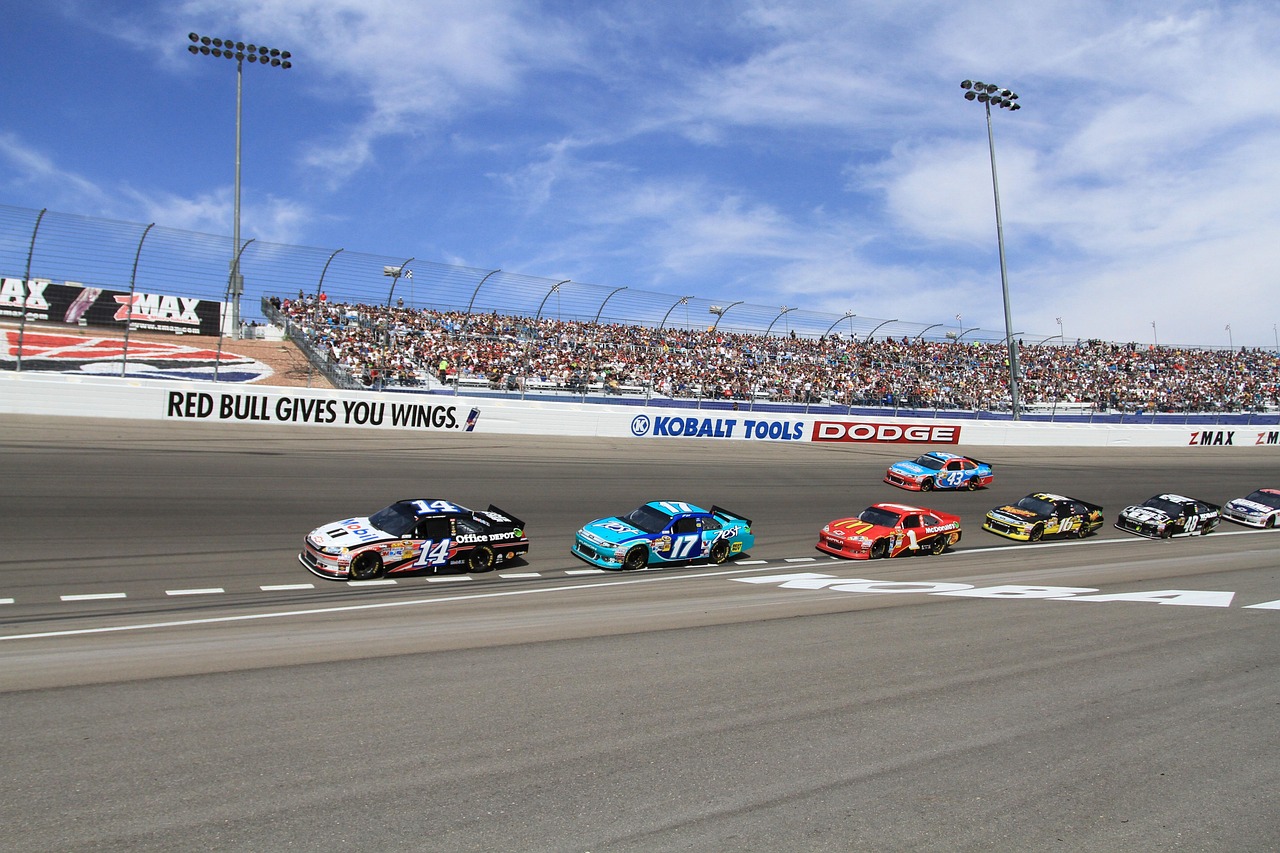
Photo by PublicDomainPictures on Pixabay.