The Strategic Integration of Cultural Programming
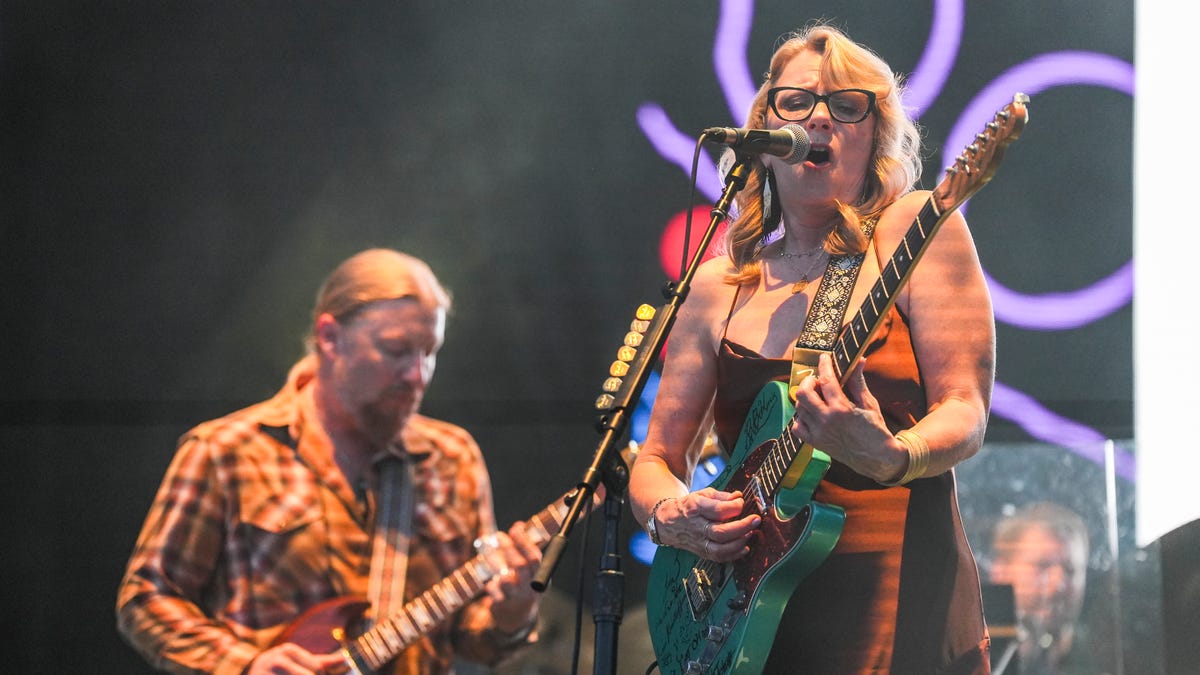
The engagement of the Tedeschi Trucks Band for the national anthem at the 152nd Kentucky Derby represents a calculated synthesis of high-value media assets and musical prestige. By securing a Grammy-winning ensemble for the May 2 broadcast, Churchill Downs Racetrack optimizes pre-race viewer retention, aligning the event’s opening sequence with the sophisticated expectations of a global television audience.
This programming choice functions as a vital component of the event’s media architecture, requiring precise synchronization between live performance and broadcast scheduling. As the 17th major artist to perform the anthem, the band’s inclusion reflects a commitment to production standards that satisfy both the racing industry’s traditionalist core and the commercial imperatives of broadcast partner NBC.
Operational Continuity and the ‘Riders Up’ Ceremony
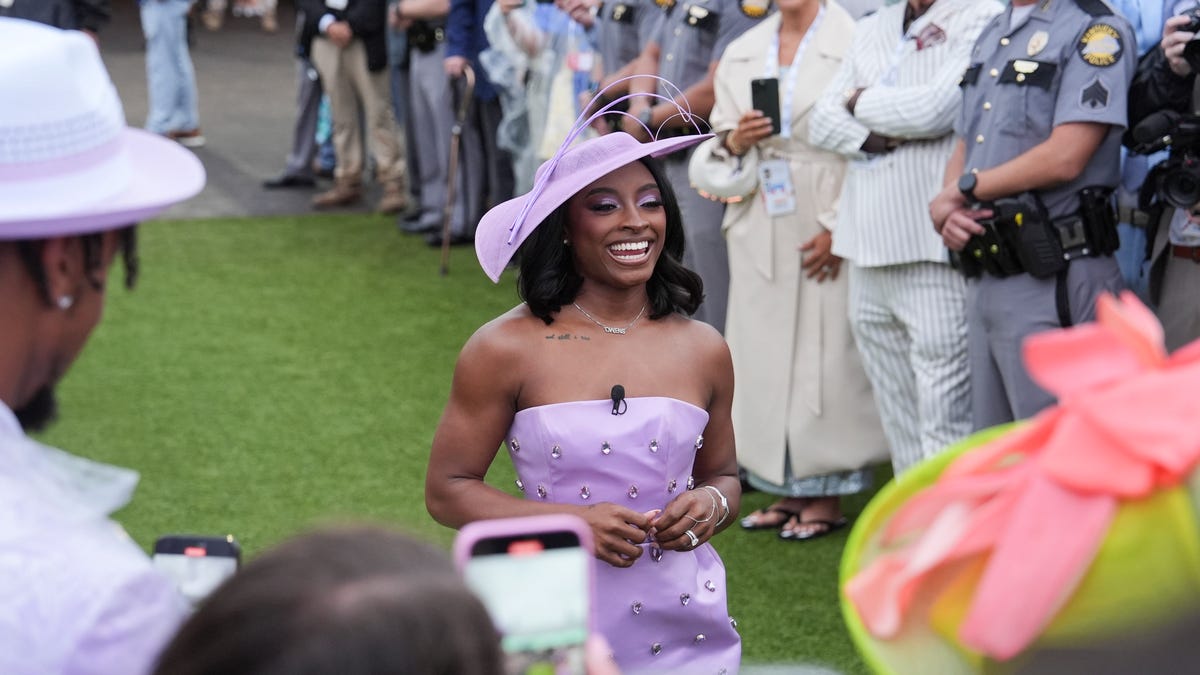
The designation of Pat Day—a jockey with 8,803 career wins—as the ‘Riders Up’ announcer serves as a deliberate pivot toward institutional heritage. This move reinforces the Derby’s brand identity by centering professional excellence over the transient celebrity culture seen in previous years, such as the appearances by Simone Biles or Patrick Mahomes.
By utilizing Day, Churchill Downs bridges the gap between historical legitimacy and modern marketing. This transition recalibrates the event’s narrative, signaling a move from spectacle-driven engagement to an emphasis on the technical mastery and historical resilience that define the sport.
Market Positioning and Capital Dynamics
The Kentucky Derby serves as a nexus for sporting competition and massive capital movement. Success in this environment requires balancing the logistical rigor of horse racing with the promotional demands of a premium entertainment property. Every segment, from the anthem to the ‘call to post,’ is calibrated to maintain viewer engagement through a seamless transition from cultural event to athletic competition.
Pat Day’s participation, particularly following his recognition by the Kentucky Derby Museum’s Lifetime Achievement Award, acts as a stabilizing anchor for the event’s brand. His career trajectory mirrors the institutional strength required to sustain the Derby’s status as a preeminent global sporting event amidst a shifting entertainment landscape.
Media Flow and Economic Implications
The 5 p.m. anthem performance functions as a structural funnel, directing audience attention toward the final race preparations. The coordination with the Tedeschi Trucks Band—who move immediately to the New Orleans Jazz & Heritage Festival—highlights the Derby’s logistical influence and its role as a marquee stop for world-class talent, ensuring production fluidity.
Institutional Governance and Brand Evolution
The Kentucky Derby’s management of traditions reflects a broader trend in sports governance where historical memory is actively curated to maximize brand value. By alternating between guest celebrities and historical icons, Churchill Downs effectively mitigates the risk of stagnation. This integrated approach ensures the 152nd edition remains not just a race, but a cornerstone of the international sports calendar, underpinned by a sophisticated framework of athletic and cultural programming.