Phoenix Monsoon Storms: A Critical Test of Infrastructure Resilience and Operational Readiness
On July 12 and 13, 2026, severe monsoon storms engulfed the Phoenix metropolitan area, profoundly exposing systemic vulnerabilities within its critical infrastructure. These events precipitated widespread power outages and a ground stop at Phoenix Sky Harbor International Airport, demonstrating the cascading impact of extreme weather on complex urban systems. As an annual, yet highly variable, occurrence, the Arizona monsoon season consistently challenges regional resilience, necessitating a continuous re-evaluation of existing strategies and their profound economic implications.
Operational Impact on Critical Infrastructure
The storms directly compromised critical infrastructure sectors, primarily affecting the energy grid and air travel. Utility providers, Salt River Project (SRP) and Arizona Public Service (APS), reported a cumulative impact on tens of thousands of customers: approximately 25,000 in Maricopa and Pinal counties for SRP, and an additional 4,500 for APS in Maricopa. These outages imposed immediate logistical and financial burdens on utilities, requiring rapid crew deployment and incurring lost revenue, while also disrupting commercial productivity across affected regions.
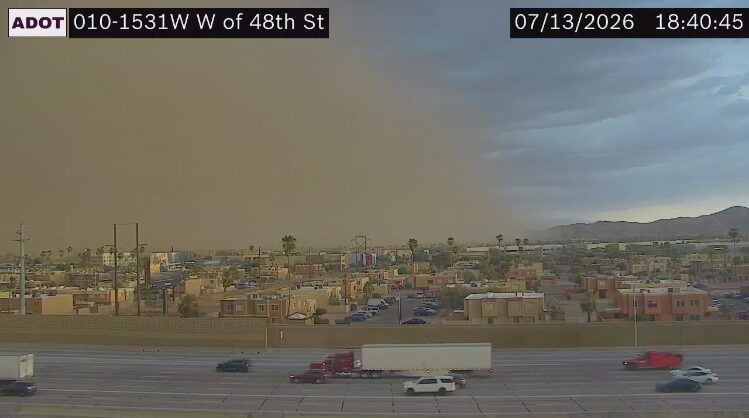
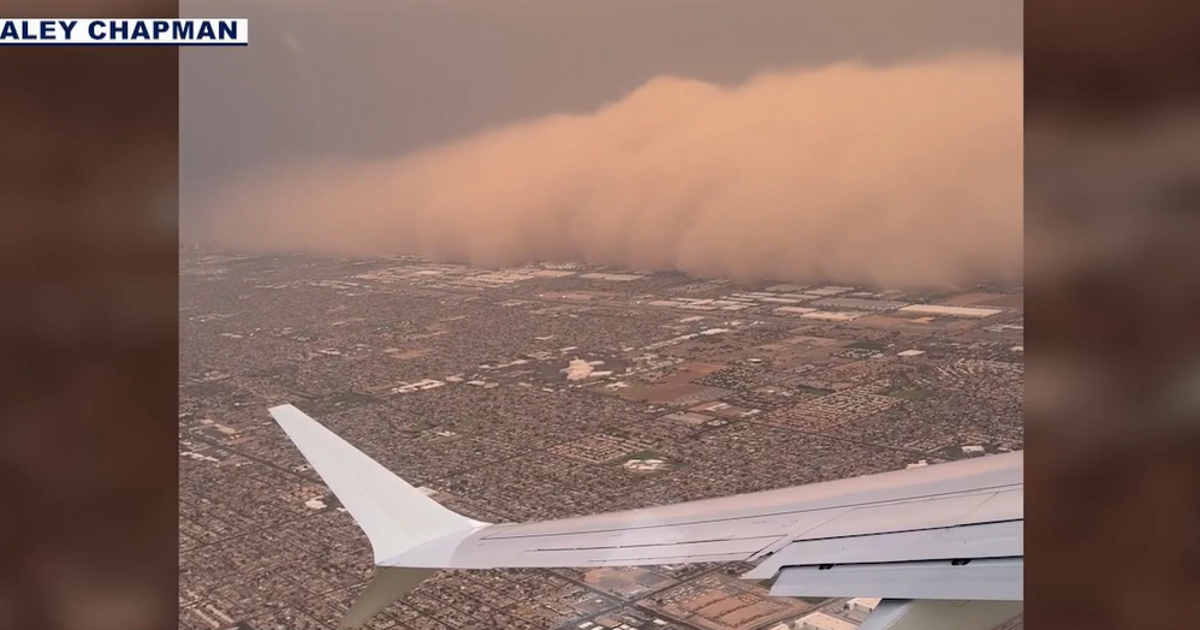
Concomitantly, Phoenix Sky Harbor International Airport experienced a mandatory ground stop due to severe thunderstorms and an engulfing haboob. This safety protocol led to extensive flight delays and cancellations, impacting passenger itineraries and airline operational efficiencies. For a major aviation hub, such disruptions cascade throughout national air traffic networks, escalating airline costs through increased fuel consumption, crew reassignments, and potential passenger compensation, underscoring the systemic vulnerability of air travel to localized weather phenomena.
Institutional Response and Risk Management
Institutional responses were critical in mitigating broader impacts. The National Weather Service (NWS) issued timely flash flood warnings for Phoenix, Scottsdale, and Paradise Valley, severe thunderstorm warnings for Maricopa and Pinal counties, and critical dust storm alerts for major corridors (I-10, I-17, US-60). The NWS’s real-time communication via platforms like Twitter proved instrumental for public safety and operational adjustments by emergency services and utilities, exemplifying effective modern public hazard communication.
Academic contributions also enhance regional risk management. Researchers at Arizona State University (ASU) have developed a dust storm severity scale, classifying the July 12 event as a Category 3, marked by four hours of high dust and 39 mph wind gusts. This standardized metric offers valuable, data-driven insights for urban planners, infrastructure engineers, and emergency managers, informing future building codes, public safety campaigns, and resource allocation, thereby strengthening the region’s long-term adaptive capacity.
Economic and Strategic Implications of Recurring Events
The predictable recurrence of monsoon events mandates sustained strategic investments in infrastructure resilience. Utilities like SRP and APS face escalating pressures to fortify grids through undergrounding lines, upgrading substations, and deploying smart grid technologies for efficient outage isolation. These capital expenditures represent a critical long-term investment against the high costs of recurrent disruption and repair.
Similarly, the aviation sector must continuously refine operational planning, including robust contingency resources and diversion protocols, balancing operational fluidity with paramount passenger safety. The economic calculus extends to direct property damages, with “considerable” threats to mobile homes and roofs translating into increased insurance premiums and financial burdens for homeowners and local governments, underscoring the broad economic footprint of these storms.
Moreover, the frequent impact on vital transportation arteries—I-10, I-17, and US-60—due to dust storms and flash floods poses significant economic implications for regional commerce and supply chains. Temporary closures or severely reduced visibility impede the flow of goods and services, affecting local businesses and the extensive logistics network reliant on these corridors, thus highlighting vulnerabilities in regional economic continuity.
Contextualizing Monsoon Season in a Growing Urban Landscape
Phoenix’s relentless urban expansion and population growth significantly amplify the stakes associated with monsoon events. The increasing urban footprint, characterized by greater impervious surfaces, exacerbates flash flooding risks, while development into arid and semi-arid regions heightens exposure to dust storms. This dynamic urban-environmental nexus creates complex challenges for sustainable urban planning and environmental management, demanding integrated strategies.
The July 2026 events serve as a potent reminder for adaptive strategies that synthesize meteorological forecasting with urban development. This encompasses not only robust emergency response but also proactive measures in infrastructure design, land-use planning, and public education. Observations from experts like storm chaser Mike Olbinski, who noted the July 12 dust storm’s immense scale from Mexico to Gila Bend and Phoenix, provide invaluable ground-truth data complementing satellite imagery, deepening our comprehensive understanding of these vast storm dynamics and their implications for a growing city.
Future Preparedness and Policy Implications
The sustained impact and recurrent nature of these monsoon events necessitate a comprehensive and continuous re-evaluation of regional preparedness and policy frameworks. Future policy discussions must prioritize incentivizing climate-resilient construction practices, investing in advanced weather monitoring technologies, and rigorously assessing existing warning systems and emergency service responsiveness. The economic rationale for such proactive investments becomes increasingly compelling, demonstrating significant resilience dividends over reactive recovery costs.
Crucially, robust public awareness campaigns remain vital, particularly concerning dust storm safety protocols given the severe visibility reductions observed on major highways like Loop 202 and I-10. Educating residents on immediate safety measures—such as safely pulling over and turning off lights during a haboob—can significantly reduce accident rates and enhance public safety outcomes. Ultimately, while monsoon season is a predictable annual cycle, its variable intensity mandates a flexible, continuously evolving approach to infrastructure management, emergency response, and public policy for the Phoenix metropolitan area’s sustained resilience.