Tactical Divergence and the Psychological Landscape
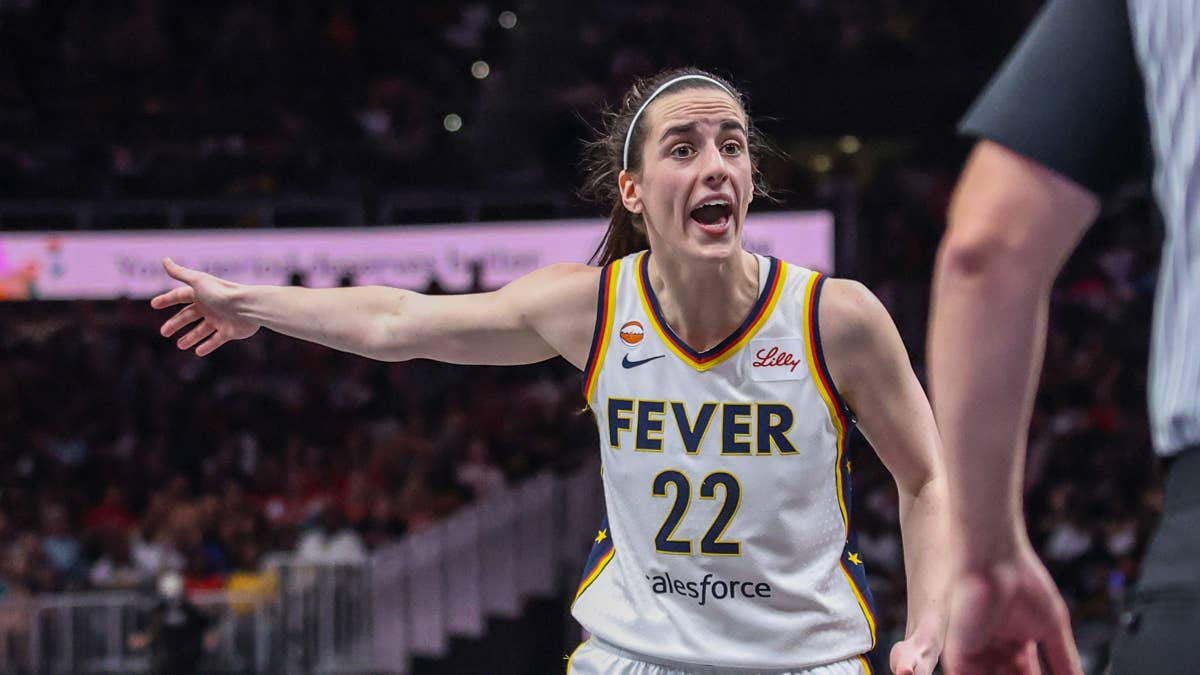
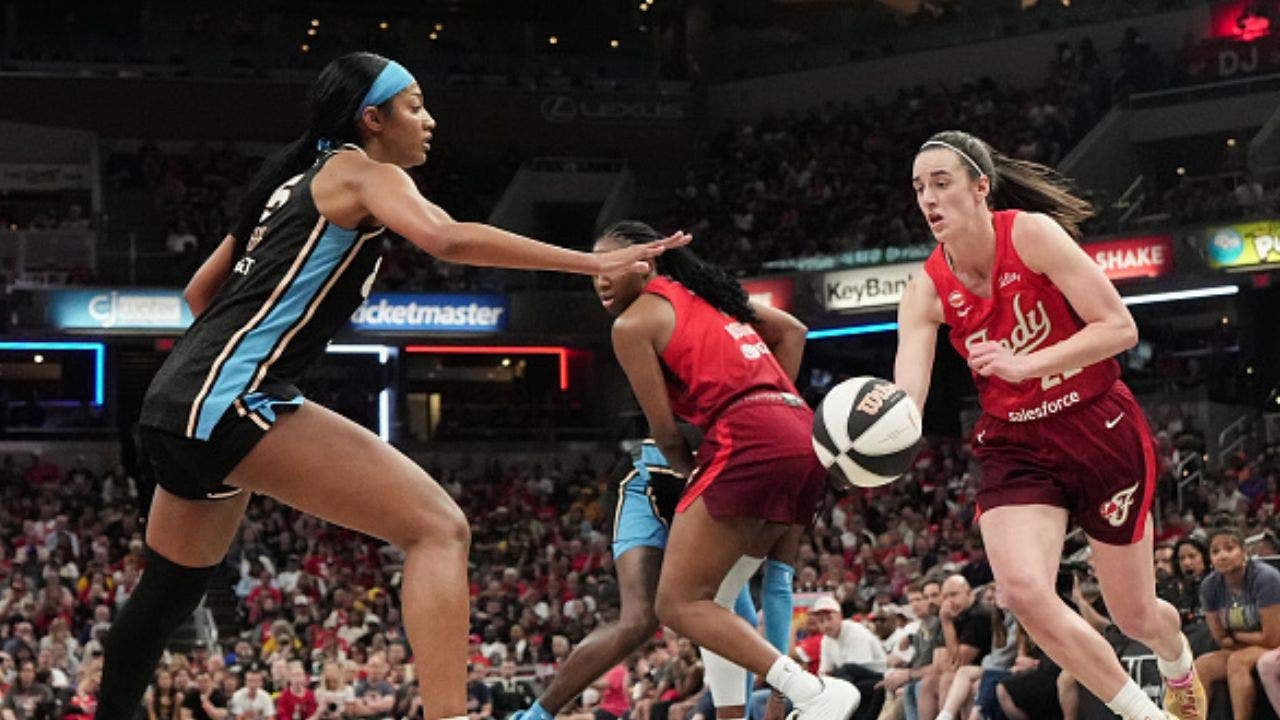
The burgeoning rivalry between Caitlin Clark and Angel Reese has evolved beyond collegiate narrative into a core pillar of WNBA strategic planning. This professional friction represents more than personal competition; it is a manifestation of two distinct archetypes—perimeter playmaking versus interior dominance—clashing within high-leverage professional environments. These encounters serve as a barometer for how individual star power influences team-wide operational focus and emotional equilibrium.
During recent high-stakes possessions, physical exchanges have functioned as tactical assertions of dominance. For instance, aggressive ball-stripping attempts following dead-ball whistles serve as psychological markers intended to disrupt the rhythm of the Fever’s backcourt. This interaction pattern suggests that both players are leveraging their established histories to secure psychological leverage, forcing officials and opponents to recalibrate their tolerance for physical play.
Defensive Rotations and Transition Vulnerabilities
An analysis of the Indiana Fever’s recent performances reveals significant structural volatility in defensive rotations. Despite offensive surges fueled by perimeter efficiency, the team frequently struggles with transition management and rim protection. When defensive integrity collapses, it often stems from an inability to neutralize high-percentage interior scoring, particularly when secondary help defense fails to rotate effectively.
This systemic issue is highlighted when opponents exploit the Fever’s high-velocity offensive style. While Clark’s playmaking generates high-ceiling scoring opportunities, the subsequent defensive transition often leaves the paint exposed. Correcting these operational failures is critical for lead preservation, as established contenders increasingly utilize interior pressure to erode double-digit deficits.
Statistical Efficiency vs. High-Usage Risk
The box score metrics provide a granular view of the performance disparity between individual output and collective efficiency. While Clark’s high-usage role frequently produces elite point and assist totals, it is often accompanied by elevated turnover rates. These lost possessions serve as primary differentiators, providing opponents with easy transition buckets that fundamentally shift game momentum.
Conversely, the efficiency of interior specialists like Angel Reese is defined by second-chance opportunities and defensive rebounding. By integrating into a balanced offensive flow, players of this profile maximize possessions without the same turnover risk inherent in primary ball-handling roles. This divergence in performance metrics underscores the different ways star players influence the ‘win probability’ of their respective franchises.
Institutional Trajectory and Commercial Capital
The WNBA’s current commercial expansion is intrinsically linked to the narrative arcs of its marquee rookies. The recurring tension between Clark and Reese generates unprecedented levels of media scrutiny and fan engagement, creating significant cultural capital. This rivalry forces franchises to manage not only on-court performance but also the public-facing personas that drive global broadcasting interest and sponsorship value.
As the competitive landscape of the Eastern Conference shifts, these high-profile matchups remain central to the league’s marketing strategy. The institutional response to on-court friction—balancing physical play with league optics—will dictate the WNBA’s perception among global partners and influence the long-term valuation of the sport.
Conclusion: The Future of Professional Friction
The ongoing development of the Clark-Reese dynamic serves as a definitive marker for the modern WNBA. Beyond the box score, these interactions represent the intersection of tactical recalibration and individual ambition. As both players refine their professional skill sets, their rivalry will likely continue to act as a catalyst for league-wide growth, driving tactical innovation and elevating the standard of competition across the professional ecosystem.