Organizational Crisis: The Divergence of Payroll and Performance
As of May 2026, the American League landscape is defined by a significant performance-to-capital expenditure gap. The Boston Red Sox (12-19) and Houston Astros (12-21) both occupy divisional cellars, signaling systemic failures in roster depth. For Boston, the loss of Garrett Crochet to the 15-day injured list has forced an emergency integration of prospects, testing the organization’s developmental resilience under interim manager Chad Tracy. This high-pressure environment serves as a diagnostic for the front office’s ability to mitigate defensive lapses that have historically compromised their early-season win probability.
The Pitching Nexus: Arrighetti’s Dominance vs. Bennett’s Debut
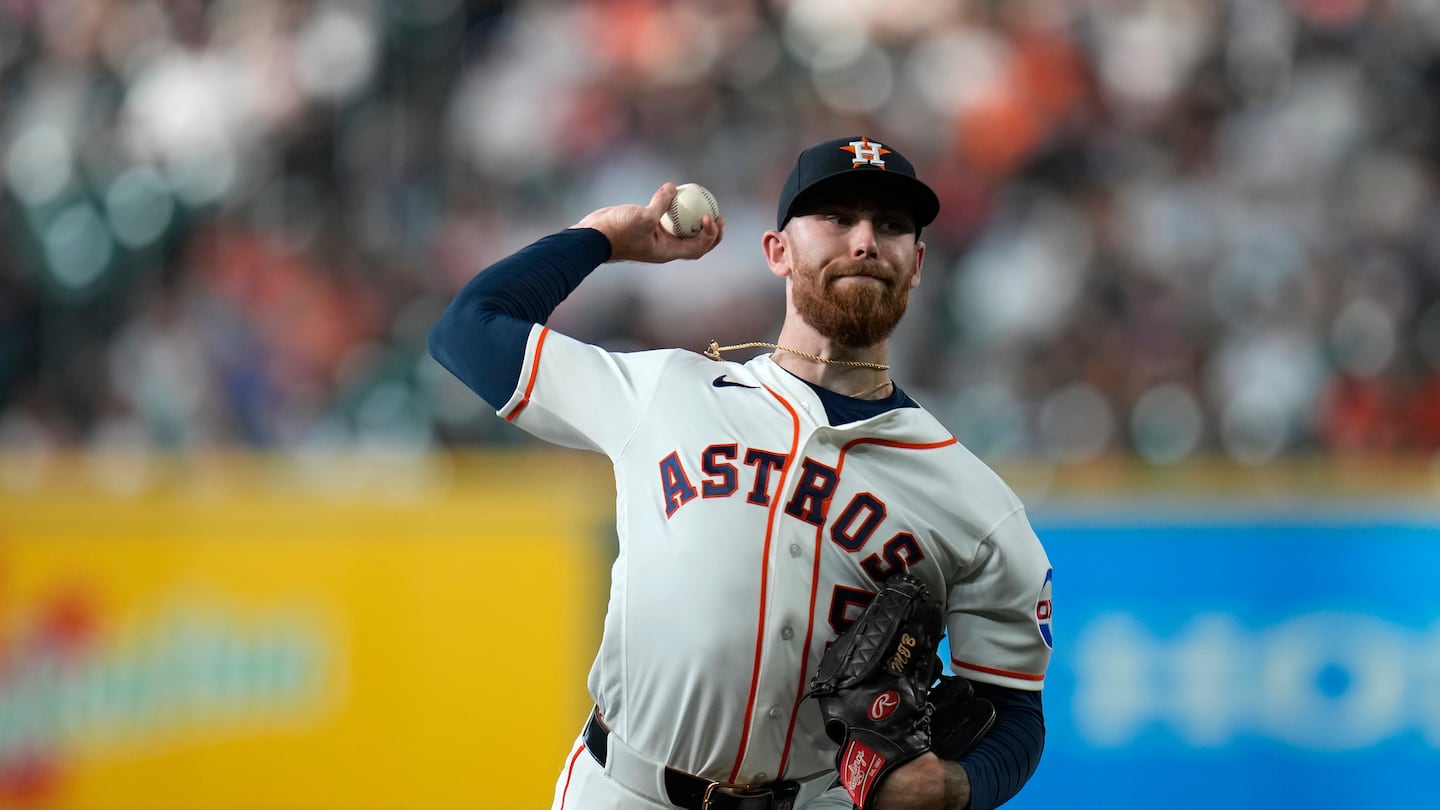
The tactical core of the Red Sox-Astros series centers on contrasting pitching trajectories. Houston’s Spencer Arrighetti has emerged as a high-leverage asset, boasting a 3-0 record and 2.00 ERA. His historical dominance over Boston—limiting hitters to a .079 average—provides a psychological edge at Fenway Park. Conversely, the Red Sox are banking on the Major League debut of southpaw Jake Bennett. Acquired from Washington in exchange for Luis Perales, Bennett represents an arbitrage play on post-surgical recovery. His reported velocity increase following 2024 Tommy John surgery suggests a successful rehabilitation protocol, though his transition to a ‘strike-thrower’ role under institutional duress remains the team’s primary variable.
Economic Transformation: The Death of the RSN Model
Beyond field operations, 2026 marks a structural pivot in MLB’s media distribution. The league has aggressively moved to produce and distribute broadcasts for nearly a third of its franchises, decoupling from the collapsing Regional Sports Network (RSN) framework. By utilizing hybrid models involving FOX and direct-to-consumer platforms like MLB.TV via Fubo, the league is attempting to recapture revenue lost to cable’s decline. However, the persistence of legacy regional blackout restrictions continues to create friction, highlighting the tension between historical contractual obligations and the necessity of a seamless digital ecosystem for global market expansion.
Capital Movement and Strategic Valuation
The trade of Luis Perales for Jake Bennett illustrates a broader trend in prospect valuation: the premium on immediate, high-leverage pitching assets. The Red Sox’s willingness to exchange a top-tier prospect for a post-surgical arm reflects a risk-adjusted strategy to stabilize a taxed bullpen. This movement underscores a shift in front-office philosophy, where ‘innings-eaters’ with velocity upside are prioritized over long-term developmental projects. The success of these maneuvers will dictate franchise valuations and stakeholder confidence as the trade deadline approaches, determining whether these underperforming giants will pivot to defensive selling or aggressive acquisition.