
Institutional Security and Crisis Protocols
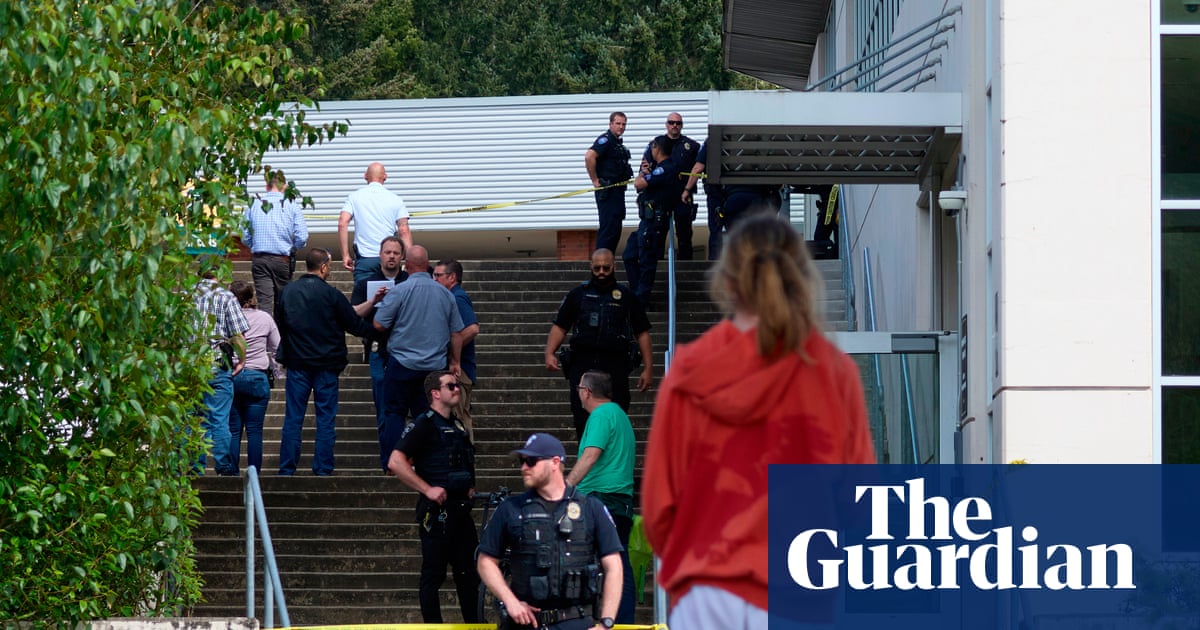
The stabbing at Foss High School, which injured four students and a security guard, exposes fundamental vulnerabilities in current campus safety models. Occurring during the school day, the incident forced an immediate lockdown, revealing a heavy reliance on reactive, rather than preventative, security measures. While school security personnel act as essential frontline buffers, this event demonstrates the inherent difficulty of neutralizing sudden, high-intensity violence within a traditional educational environment.
Conflict Escalation and Behavioral Catalysts
Charging documents reveal the catalyst was a dispute over a vaping device, illustrating how trivial adolescent disagreements can rapidly escalate into severe physical violence. The severity of the injuries—including a lung injury requiring surgery—highlights a failure in existing conflict-resolution and early-warning systems. This gap necessitates a shift from standard disciplinary protocols toward more robust threat-assessment models that can identify and intervene in high-risk behavioral patterns before they reach a breaking point.
Legal and Judicial Implications
The decision to charge 16-year-old Waleed Essakhi as an adult on four counts of first-degree assault marks a significant judicial pivot. By bypassing juvenile rehabilitation pathways in favor of the adult criminal court system, the state has signaled a zero-tolerance approach toward school-based violence. This trajectory subjects the defendant to more stringent sentencing guidelines, serving as a deterrent and a benchmark for how local authorities handle extreme juvenile delinquency in public settings.
Systemic Support vs. Reactive Management
While the district’s deployment of additional mental health counselors serves as a necessary restorative measure, it remains fundamentally reactive. Relying on post-incident support ignores the systemic need for proactive mental health integration. Unless schools evolve beyond crisis-management cycles, the capacity to address the root causes of interpersonal aggression will remain limited, leaving institutional stability dependent on sporadic, rather than sustained, intervention.
Broader Operational and Societal Consequences
The operational shutdown and subsequent strain on local healthcare, particularly MultiCare facilities, underscore the logistical burden of mass-casualty events on public infrastructure. Furthermore, the event has amplified community anxiety, forcing a revaluation of budgetary allocations for security surveillance. The challenge for administrators is two-fold: maintaining an open, accessible learning environment while implementing security infrastructure that can effectively deter lethal threats, all while navigating the public’s heightened expectations for transparency and safety.
Future Outlook
The Foss High School incident serves as a diagnostic case study of systemic limitations. If traditional deterrents fail to prevent violence, the strategy must shift toward predictive intervention and comprehensive threat assessment. Long-term institutional trust will depend on how effectively the school district bridges the gap between restorative safety measures and the prevention of future occurrences.

Photo by MustafaKayacaglayan on Pixabay.