Strategic Implications of the Braves’ West Coast Swing
As the Atlanta Braves (22-10) embark on a pivotal nine-game, three-city road trip, the logistical demands of the 2026 schedule collide with significant roster instability. Kicking off at Coors Field, the Braves face a unique environmental challenge; the altitude alters ball flight physics, traditionally favoring offensive surges and complicating pitching durability. For a team relying on depth, managing fatigue during this early-season travel block is essential to maintaining their NL East lead.
Conversely, the Colorado Rockies (14-18) are experiencing their most stable start since 2018. Having moved past the league-bottom performance metrics of previous seasons, Colorado is leveraging their home-field advantage to challenge established contenders. This series serves as a litmus test for both: can the Braves’ front office rely on secondary depth, and is the Rockies’ improved win rate a statistical baseline for a postseason push?
Pitching Volatility at High Elevation
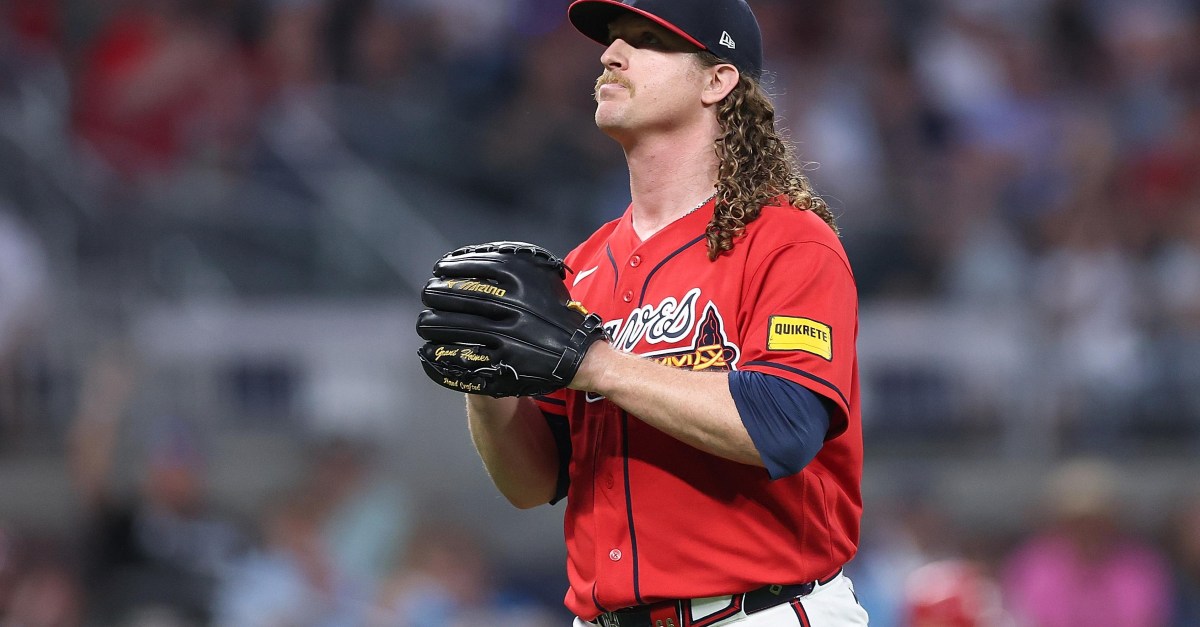
Grant Holmes (2-1, 3.62 ERA) faces a high-pressure environment in his start against Colorado. His 2026 profile is marred by ‘frame-volatility’—a tendency to surrender high-damage clusters in isolated innings. At Coors Field, where margin for error is razor-thin, such defensive lapses are amplified. Atlanta’s superior bullpen remains their primary insurance policy; manager strategy will likely hinge on aggressive, early-exit transitions for Holmes should momentum shift in favor of the Rockies.
Opposing him, Jose Quintana (1-2, 4.91 ERA) aims to stabilize his rhythm against a Braves lineup anchored by the consistency of Ozzie Albies. While Quintana’s ERA indicates vulnerability, the Rockies’ ability to capitalize on defensive lapses remains a significant tactical threat. With an over/under of 10.5 runs, betting markets reflect the historical high-scoring tendencies of Denver, underscoring the necessity for disciplined pitching from both clubs.
Roster Attrition and Organizational Depth
The Braves’ first-place standing is a testament to successful internal development, as they navigate an extensive injury list. The pitching staff, missing core contributors like Spencer Strider (15-day IL) and Spencer Schwellenbach (60-day IL), is testing the absolute limits of their depth chart. On the offensive side, the absences of Sean Murphy and Ha-Seong Kim force a reorganization of defensive sequences and lineup order.
The Rockies have countered by fostering individual growth, evidenced by the performance streaks of hitters like Mickey Moniak. Moniak’s 14-game hitting streak provides a focal point for Colorado’s offense, directly mirroring the stability Albies offers Atlanta. These individual streaks represent the core tactical battle: high-volume, opportunistic offense versus controlled, depth-reliant defense.
Media Evolution and Commercial Valuation
This series highlights the shifting landscape of MLB media rights. With games distributed across Rockies.TV and BravesVsn, the fragmentation of regional sports networks is accelerating. These direct-to-consumer models are crucial for sustaining payrolls amidst league-wide broadcasting volatility. For the Braves, securing high-value digital engagement is non-negotiable for supporting their organizational infrastructure; for the Rockies, controlling their media rights is a prerequisite for long-term financial viability.
Conclusion: A Barometer for Success
The opener at Coors Field is a collision of disparate organizational trajectories. For Atlanta, the goal is survival and the validation of their ‘depth-first’ philosophy. For Colorado, it is an opportunity to prove that their 2026 surge is legitimate. As the game enters the prime-time broadcast window, both front offices will be closely watching whether the internal systems they have built can withstand the unique physical and competitive demands of this critical road series.