The Anatomy of a Playoff Momentum Shift
The Los Angeles Lakers’ once-commanding 3-0 lead over the Houston Rockets has eroded into a precarious 3-2 margin, exposing critical vulnerabilities in the Lakers’ roster construction. This series progression serves as a masterclass in how high-stakes basketball metrics regress when physical depth and tactical flexibility are lacking.
The Tactical Erosion of Efficiency
Lakers’ early-series dominance was built on anomalous shooting splits, specifically a 60% conversion rate on non-restricted area two-pointers during Game 1. As these figures regressed toward the mean, the Lakers’ lack of offensive diversity became apparent. Without Luka Dončić and a fully fit Austin Reaves, Los Angeles has failed to generate high-percentage looks, becoming overly dependent on LeBron James for late-clock creation.
Roster Depth as a Deciding Factor
Despite missing Kevin Durant, the Houston Rockets have leveraged superior systemic depth under Ime Udoka. By prioritizing a defensive-first rotation, Houston has successfully exploited the Lakers’ lack of secondary playmaking. The Rockets’ ability to maintain constant perimeter pressure has effectively neutralized the Lakers’ rhythm, forcing the aging roster to operate outside their comfort zone for extended minutes.
The Limits of Veteran Dependency
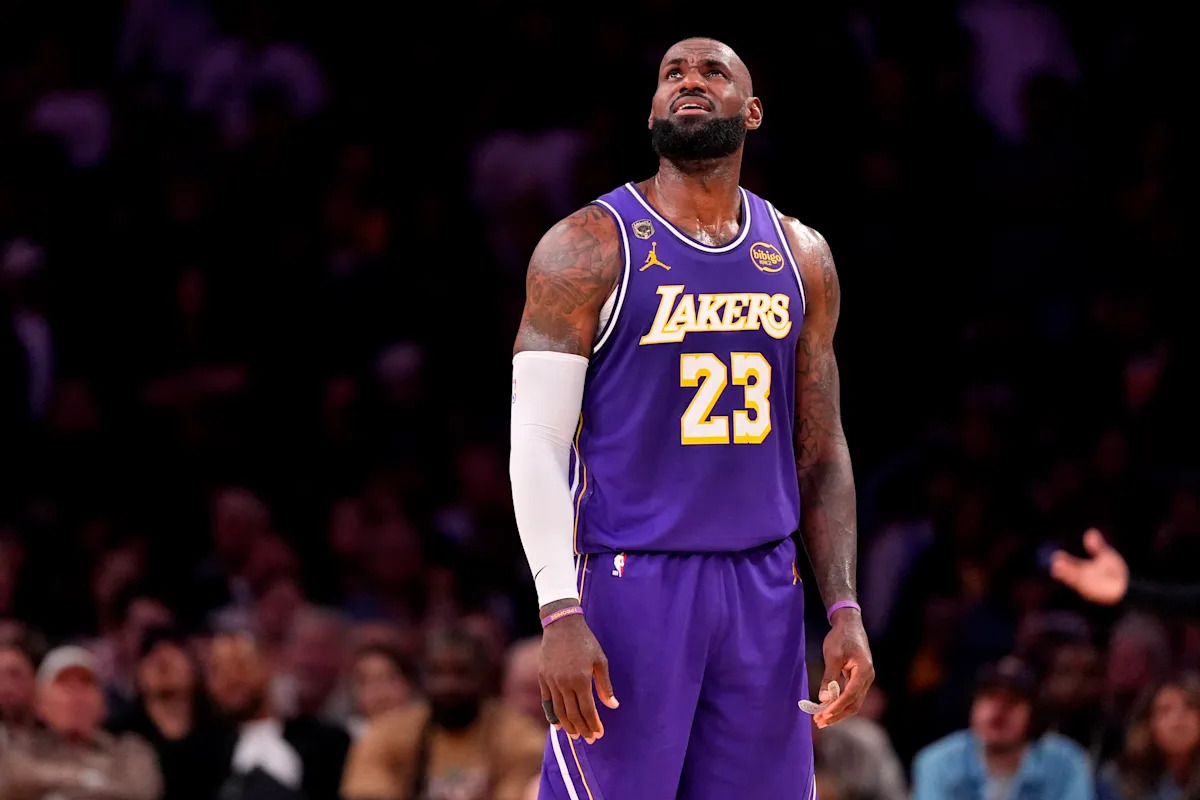
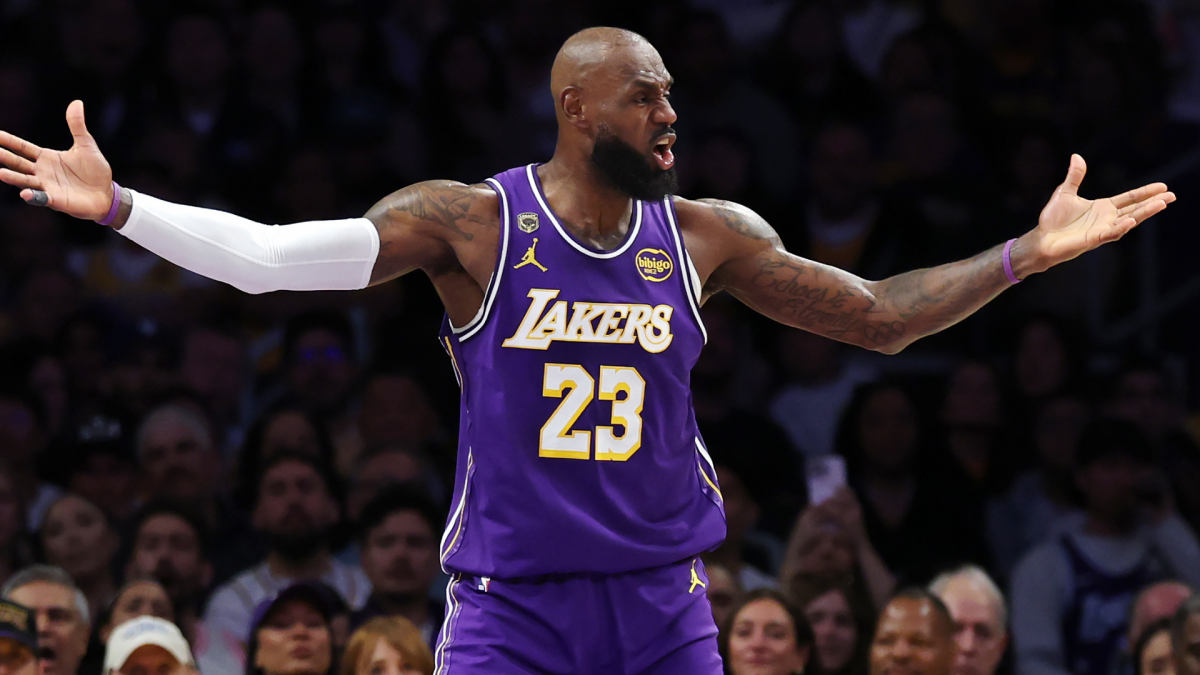
LeBron James’s recent post-game remarks regarding his physical state encapsulate the Lakers’ primary issue: an over-reliance on veteran output without adequate support. This reliance creates a single point of failure that the Rockets have successfully targeted. The contrast is stark; while the Lakers possess star-heavy talent, the Rockets have utilized a collaborative, physical style of play that is better suited to sustain high-intensity efforts over a grueling seven-game series.
Institutional Repercussions
If the Lakers succumb to a historic collapse, it will necessitate a fundamental reassessment of their current competitive model. The inability to close out a series after such an advantage is a rare anomaly in professional basketball, likely signaling that the team’s current reliance on high-usage, veteran-led play is no longer sustainable in the modern, high-tempo NBA landscape.