The Strategic Pivot: Sub-National Diplomacy in New York
The transition of King Charles III and Queen Camilla from the federal epicenter of Washington, D.C., to the commercial and cultural nucleus of New York City represents a sophisticated deployment of sub-national diplomacy. This movement serves to insulate the ‘Special Relationship’ from the volatility of executive-level politics, embedding British influence within the financial and civic architectures that govern American life independently of the White House.
The 9/11 Memorial as Diplomatic Infrastructure
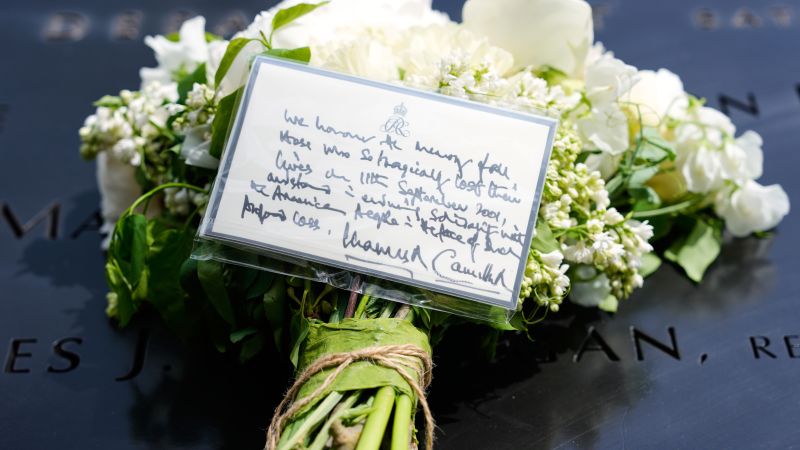
By prioritizing the National September 11 Memorial & Museum, the British Crown invokes a shared security heritage. The act of placing white flowers and a handwritten note of ‘enduring solidarity’ transcends mere ceremony; it is a ritualistic affirmation of the intelligence and defense pacts that underpin the transatlantic alliance. This gesture leverages the site’s symbolic weight to reaffirm a partnership forged in crisis, signaling continuity during an era of geopolitical flux.
Institutional Resilience Amid Executive Schisms
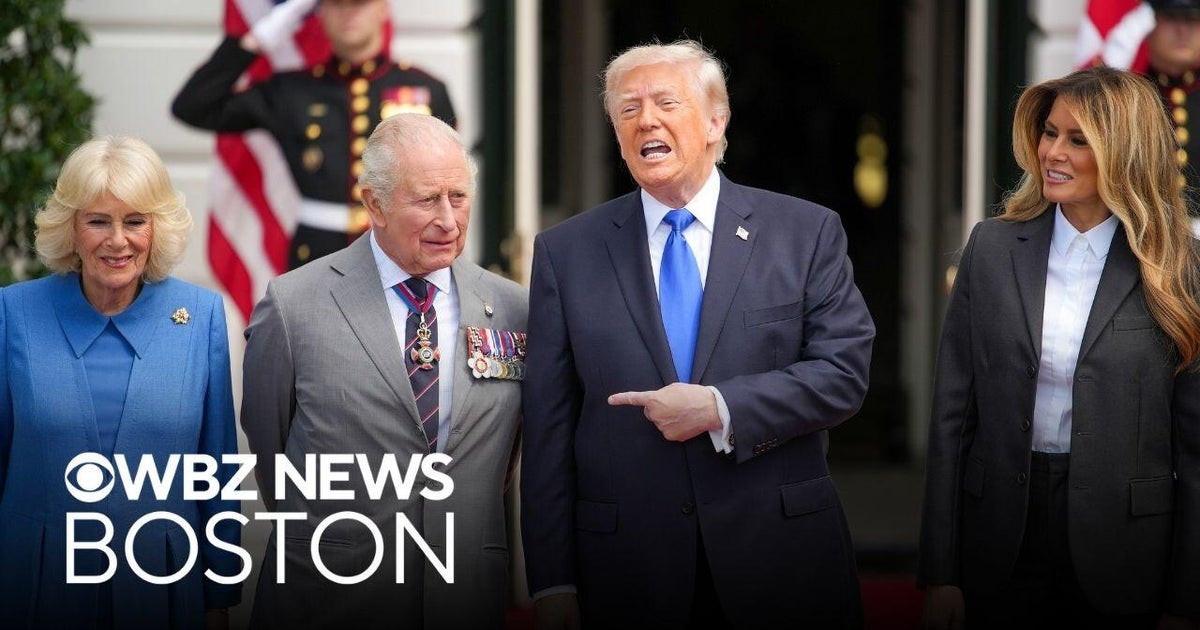
The royal itinerary functions as a strategic counterweight to documented strains between the current U.S. administration and European allies. As a non-partisan institution, the British Monarchy provides a permanent diplomatic channel that remains operative when traditional political rapport is compromised. This institutional resilience ensures that the foundational ties between the two nations are not subject to the unpredictability of electoral cycles or isolationist rhetoric.
Multi-Track Diplomacy: The Bloomberg Intersection
The inclusion of Michael Bloomberg—a titan of global finance and civic leadership—highlights the importance of multi-track diplomacy. By engaging with non-federal actors, the Crown accesses influential networks that often mirror traditional diplomatic norms more closely than the current federal landscape. This partnership demonstrates how private-sector leadership can facilitate international stability, providing the UK with a direct line to American institutional power.
Conclusion: The Enduring Value of Sovereign Soft Power
Ultimately, the New York visit demonstrates that the British Monarchy remains a vital instrument of soft power. By focusing on shared history and philanthropic alignment, the King and Queen provide a necessary buffer for transatlantic stakeholders. The visit reinforces the thesis that while political administrations are transient, the institutional and cultural bonds between the United Kingdom and the United States are structural and enduring.