Mexico’s Schools Confront Evolving Digital Threats: A Systemic Challenge to Security & Education Continuity
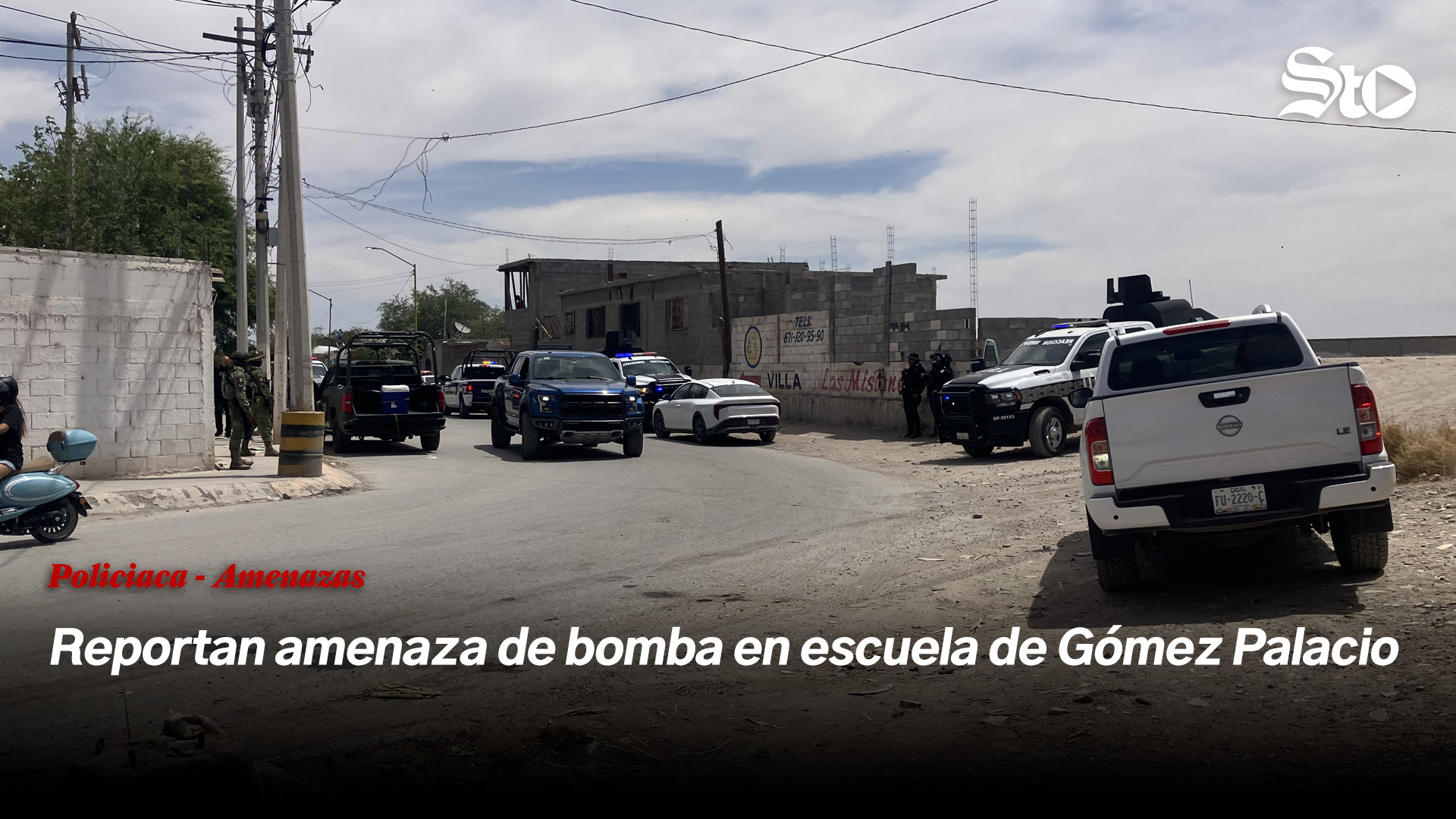
Recent incidents across Mexico underscore a growing, complex security paradigm for educational institutions and public safety agencies: the proliferation of threats originating from viral social media challenges. This phenomenon, characterized by its rapid digital dissemination and potential for widespread physical alarm, necessitates a sophisticated, multi-tiered governmental response. The documented mobilization of federal, state, and local security forces in Gómez Palacio following a bomb threat at the José Vasconcelos school, mirrored by similar warnings in Campeche and Ciudad del Carmen, vividly illustrates the immediate, resource-intensive demands placed on public safety infrastructure, compelling a re-evaluation of national security protocols and highlighting critical interdependencies in crisis management.
The Pervasive Influence of Viral Digital Challenges and Systemic Vulnerability
The State Secretariat of Education (Seduc) in Campeche has explicitly linked recent school shooting threats to viral challenges propagated through digital platforms. This confirmation marks a significant shift in the national threat landscape, where ephemeral digital content directly translates into tangible security concerns within physical educational spaces. The inherent architecture of social media, designed for rapid content sharing and user engagement, inadvertently provides fertile ground for the amplification of such challenges, presenting a formidable obstacle for authorities attempting to monitor, pre-empt, or mitigate harmful content. This dynamic exposes critical vulnerabilities in both societal digital literacy and platform governance. Furthermore, Seduc’s acknowledgment that this phenomenon, initially identified in northern Mexico, is now replicating in other regions, signals a systemic and evolving issue, underscoring the imperative for a nationally coordinated strategy that moves beyond localized incident response towards a comprehensive, preventative framework addressing the root causes of digital misuse.
Multi-level Operational Responses and Inter-Agency Coordination Challenges
The operational response to these threats has involved diverse tactics, reflecting the multi-faceted nature of the challenge. The “intense movilización de las corporaciones de seguridad de los tres niveles de gobierno” in Gómez Palacio signifies a pre-established, albeit reactive, framework for inter-agency collaboration during high-alert situations. However, this coordinated deployment of federal, state, and municipal forces represents a substantial allocation of public resources, diverting personnel and equipment from other security priorities. The efficacy of such mobilizations hinges on clear command structures, real-time intelligence sharing, and standardized incident response protocols, which are continuously tested by the unpredictable and rapidly evolving nature of digital threats.
In Ciudad del Carmen, the Guardia Nacional’s “Operación Mochila” at the ETI 26 secondary school exemplifies a more direct and visible security intervention. While designed to deter potential threats and reassure the school community, this tactic, involving the inspection of students’ belongings, simultaneously raises profound questions regarding student privacy and the psychological impact of heightened security measures within an educational setting. The documented presence of parents during these activities highlights the critical, yet delicate, role of community engagement in legitimizing security operations. Parental participation can either bolster public trust in institutional responses or, if mishandled, exacerbate anxieties and foster resentment towards necessary security interventions.
Strategic Policy Adaptation and the Imperative of Educational Continuity
In Campeche, the Seduc’s adoption of a national protocol suggested by the Secretariat of Public Education (SEP), subsequently adapted to the local context, illustrates a strategic effort toward standardizing and localizing threat response. This tiered policy approach acknowledges the necessity of federal guidance while empowering state and local authorities to tailor interventions to their specific environments. The deployment of “brigadas del programa Convive” to engage directly with administrators, teachers, students, and parents signifies a strategic pivot towards a more holistic, dialogue-based approach. These brigades aim to foster communication, address underlying concerns, and build resilience within the school community, complementing traditional security-focused interventions.
A critical strategic decision across these incidents has been the maintenance of educational services despite the alarms. This reflects a policy imperative to minimize disruption to learning, balancing immediate safety concerns with the long-term developmental needs of students. This choice, however, places increased pressure on the effectiveness of implemented protocols and the credibility of security assurances. Sustaining school operations requires robust and transparent communication strategies to manage parental anxiety and maintain confidence in the safety measures undertaken. Any perceived lapse in security or communication could undermine trust and lead to broader calls for school closures, with significant operational, social, and academic costs.
Stakeholder Exposure and Erosion of Institutional Trust
The recurring nature of these digitally-fueled threats exposes multiple stakeholders to significant operational, psychological, and reputational risks. Students face direct psychological distress and potential physical danger, while parents grapple with heightened anxiety regarding their children’s safety and the efficacy of institutional protections. School administrators and teachers bear the immediate burden of implementing security protocols, managing student and parent concerns, and maintaining an environment conducive to learning amidst persistent uncertainty. Their capacity to respond effectively is often constrained by resource limitations, training gaps, and the emotional toll of continuous threat management.
For governmental bodies, including the SEP, Seduc, and various security corporations, these incidents serve as critical stress tests of their operational readiness, inter-agency coordination capabilities, and public communication strategies. The ability to demonstrate a swift, coordinated, and visibly effective response is paramount for maintaining public trust and political legitimacy. Moreover, the broader institutional framework of public education is under scrutiny. The effectiveness of national protocols, the adequacy of resource allocation for both security and psychological support, and the capacity for continuous adaptation to evolving digital threats all contribute significantly to the public’s perception of institutional competence and reliability.
Economic and Resource Allocation Implications of Heightened Security
The “intense movilización” of security forces and the implementation of new protocols carry significant economic implications. Deploying personnel from three levels of government involves substantial operational costs, including overtime pay, equipment usage, and logistical support. These expenditures represent a direct diversion of funds that could otherwise be allocated to educational enhancements, infrastructure development, or other public services. The sustained effort to address viral threats, including the training and deployment of “Convive” brigades and ongoing “Operación Mochila” initiatives, necessitates recurrent budgetary allocations, signaling a fundamental shift in strategic spending priorities within educational and security budgets, potentially impacting other programmatic areas.
While educational services were not suspended, prolonged or frequent disruptions due to threats, even if unsubstantiated, could lead to considerable indirect economic costs. These include lost instructional time, impacts on parental productivity due to childcare concerns, and potential long-term effects on academic performance and human capital development. Furthermore, the imperative for enhanced digital infrastructure, robust cybersecurity measures, and specialized personnel to monitor online threats adds a new, substantial category of operational expenditure for state and federal education departments, less prominent in traditional school safety planning.
Long-Term Strategic Imperatives for Systemic Resilience
The persistent nature of threats linked to viral challenges demands a long-term strategic vision extending beyond immediate incident response. This vision must encompass a comprehensive approach to digital literacy education, equipping students, parents, and educators with critical skills to navigate online content responsibly and identify potential risks. Developing systemic resilience further requires continuous investment in mental health support services within schools, addressing the underlying psychological vulnerabilities that may make some students susceptible to participating in or propagating harmful online challenges, thereby shifting focus from purely punitive measures to preventative psychological support.
Moreover, the ongoing evolution of social media platforms and digital trends necessitates a dynamic policy framework capable of rapid adaptation. This implies continuous review and updating of national and local protocols, fostering inter-institutional learning, and potentially engaging proactively with technology companies to develop more effective content moderation, reporting mechanisms, and responsible platform design. The documented facts highlight a critical juncture for Mexican educational and security institutions. The overarching challenge is not merely to react to isolated threats, but to fundamentally reconfigure operational strategies, resource allocation, and policy frameworks to address a pervasive digital phenomenon that increasingly impacts the physical safety and educational continuity of its youth, demanding a holistic, adaptive, and collaborative national response.