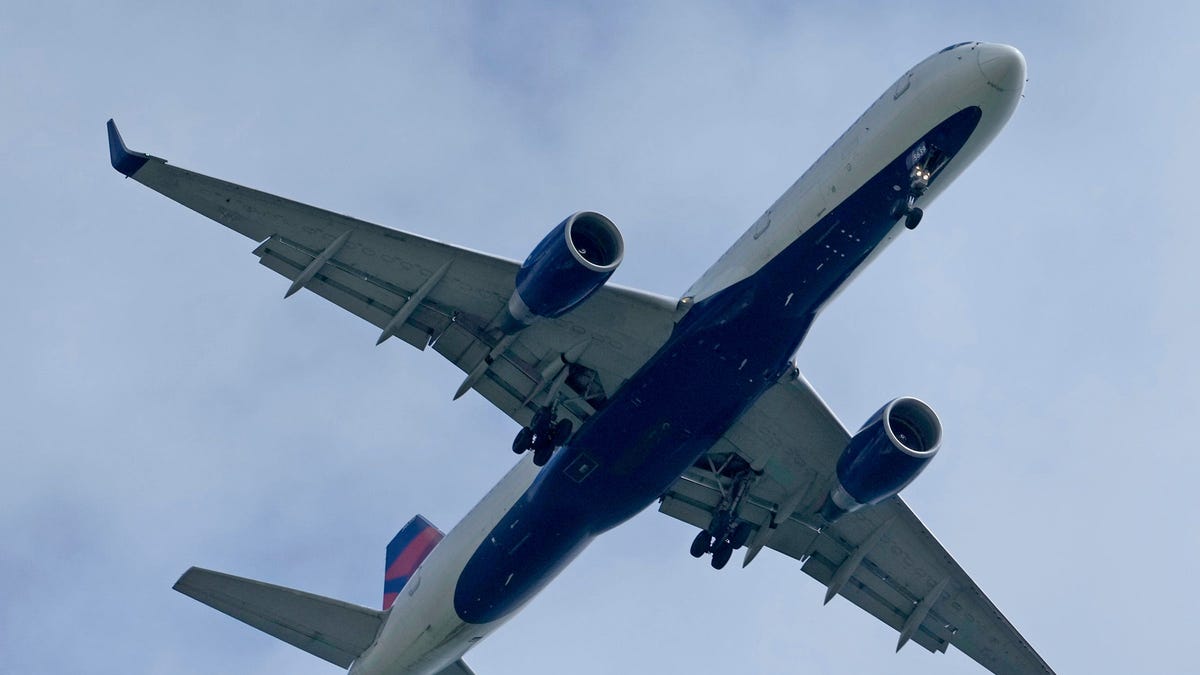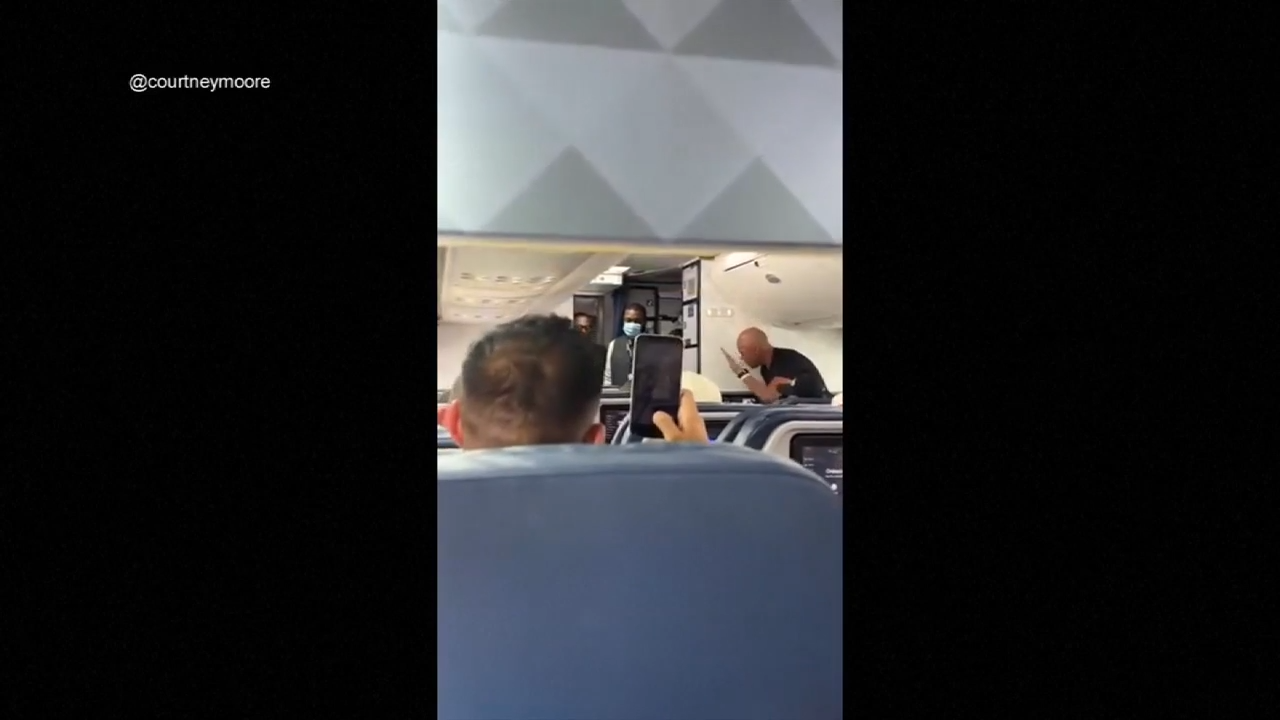
A Delta Air Lines flight from Miami to Atlanta, DL1323, experienced a significant delay and required police intervention after a passenger, identified as Shannon Marie Harris of Tyrone, Georgia, was removed for repeatedly refusing to terminate a phone call while the aircraft was taxiing. This incident underscores the stringent enforcement of airline safety protocols and the legal ramifications of non-compliance with crew instructions.
The Incident: Non-Compliance and Immediate Operational Impact
The incident on Delta Flight 1323 began when Shannon Marie Harris repeatedly ignored instructions from flight crew to end a phone call during taxi. This defiance occurred as critical pre-flight safety demonstrations were being conducted, directly impeding the crew’s ability to perform their duties. The captain’s decision to return the aircraft to the gate, a measure of last resort, highlights Delta’s zero-tolerance policy for disruptive behavior and non-adherence to safety directives, even for seemingly minor infractions. This operational pivot immediately triggered a cascade of logistical challenges, including significant delays for all passengers onboard and the necessity for law enforcement involvement.
Legal & Regulatory Imperatives: FAA Authority and Consequences
This incident is firmly rooted in federal aviation regulations that mandate passenger compliance with flight crew instructions. The Department of Transportation’s 2021 Notice on Disruptive Behavior explicitly reinforces that failing to follow crew directives, particularly during critical phases of flight like taxi, constitutes a violation of FAA regulations. Such infractions are not merely airline policy matters but carry substantial civil penalties, potentially reaching up to $13,910, reflecting the federal government’s serious stance on aviation safety and crew authority.
Beyond civil penalties, Shannon Marie Harris faced criminal trespassing charges, escalating the event from an operational disruption to a legal matter. This progression underscores the severe consequences of non-compliance, demonstrating that refusal to obey lawful commands on an aircraft can lead to arrest and prosecution, serving as a powerful deterrent against similar behaviors.
Operational Strategy & Economic Ramifications
Delta’s strategic decision to deplane all passengers following the individual’s refusal to disembark voluntarily exemplifies a rigorous approach to risk management. This measure, while causing an immediate delay, prioritizes complete resolution of the disruption to mitigate potential escalation and ensure a safe subsequent departure. Such actions serve as a powerful deterrent, signaling to the traveling public the tangible consequences of non-compliance and reinforcing the airline’s unwavering commitment to safety and operational order.
The one-hour delay on Flight 1323, while seemingly minor, incurs substantial direct and indirect financial costs. These include heightened fuel consumption, crew overtime, potential missed connections for numerous passengers requiring rebooking, and possible compensation claims, all of which erode profitability and operational efficiency. The incident also diverts valuable resources—time of pilots, cabin crew, gate agents, and law enforcement—representing a significant operational expenditure. Consequently, airlines continuously invest in robust crew training, de-escalation techniques, and efficient incident management systems to safeguard on-time performance, a critical metric for customer satisfaction and investor confidence.
Passenger Dynamics: Frustration, Perception, and Social Media
The broader passenger response, documented through viral video footage, revealed palpable frustration among those onboard Flight 1323. Comments like “So we’re all supposed to listen and he doesn’t?” and “Just rip him off the plane, he’s in the front row!” underscore the collective inconvenience and the societal expectation of adherence to shared norms in confined public spaces. This public shaming, amplified by social media, transforms individual non-compliance into a spectacle, significantly impacting the airline’s brand perception and operational narrative.
Such incidents challenge airlines to manage a delicate balance: enforce strict safety protocols while minimizing reputational damage from prolonged or poorly managed disruptions. The rapid dissemination of user-generated content means airlines must be acutely aware of how events are portrayed online, requiring not just effective internal policy enforcement but also strategic communication to maintain public trust.
Broader Industry Context: Policy Evolution and Future Challenges
This incident is not an isolated event but rather indicative of a broader industry challenge concerning passenger non-compliance, especially regarding electronic device usage during critical flight phases. Aviation bodies like the FAA and IATA continually review and adapt policies to address evolving passenger conduct. The perceived individual right to constant connectivity often clashes with collective safety responsibilities in the confined environment of an aircraft cabin.
Such disruptions, while seemingly minor, are intrinsically linked to the broader aviation security posture. The rigorous enforcement of rules ensures crew authority and prevents more serious security breaches, a stance underscored by the FAA’s escalating penalty structure. As air travel volume increases, regulatory scrutiny on onboard conduct is expected to intensify, prompting airlines to invest further in training and communication strategies to cultivate a universal culture of compliance and maintain public trust in the aviation system’s integrity.
Conclusion: Reinforcing Aviation Safety and Compliance
The incident on Delta Flight 1323 serves as a potent case study illustrating the non-negotiable imperative of passenger compliance with flight crew instructions. It unequivocally demonstrates that refusal to adhere to safety protocols, regardless of perceived minor nature, carries significant operational, financial, and legal repercussions for both the individual and the airline. This visible enforcement, particularly when amplified by media, reinforces the authoritative role of flight crews and the federal regulatory framework that underpins global aviation safety.
Ultimately, such events highlight the delicate equilibrium between individual liberties and collective safety within air travel. As the industry evolves, consistent policy application, enhanced crew training in de-escalation, and proactive passenger communication will remain paramount to fostering a culture of mutual respect and ensuring the enduring safety and efficiency of air operations for all.