GOP Divided: Taxpayer Funds Debated for Trump’s Proposed White House Ballroom
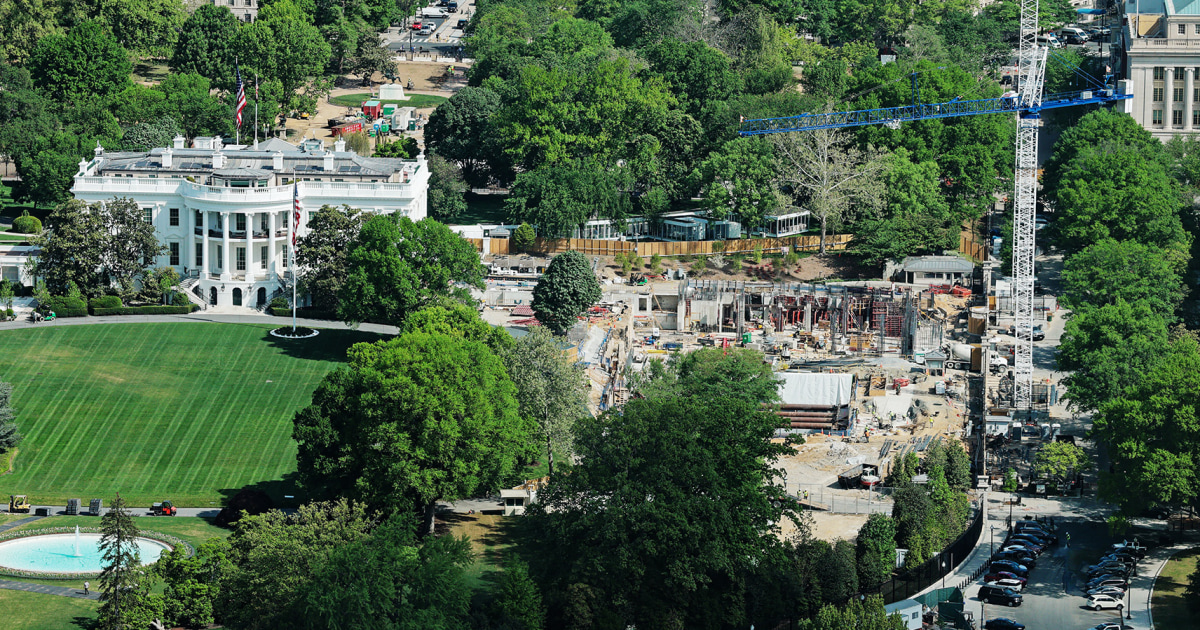
A significant schism has emerged within the Republican party regarding the allocation of $400 million in taxpayer funds for a proposed 90,000-square-foot White House ballroom. This legislative push, spearheaded by Senators Lindsey Graham, Katie Britt, and Eric Schmitt, frames the project as a critical security upgrade for the presidency, independent of the current occupant. Senator Graham argued the initiative aims to “protect the office, not an individual,” suggesting that private funding alone is insufficient and proposing ‘custom fees’ as a partial offset.
However, the proposal faces robust internal opposition. Many Republicans advocate for private fundraising, reflecting a core conservative tenet of fiscal restraint and a reluctance to increase the taxpayer burden. This ideological tension underscores a broader intra-party debate on prioritizing federal spending and approaches to national security infrastructure. The bill’s passage is further complicated by predictable opposition from Democrats, who are firmly against using federal money for such a project.
The debate is contextualized by a recent security breach during an event at the White House Correspondents’ Association Dinner, where President Trump was evacuated due to a security incident. This event has amplified concerns about presidential security, particularly during off-campus engagements, and prompted discussions about enhancing White House infrastructure.
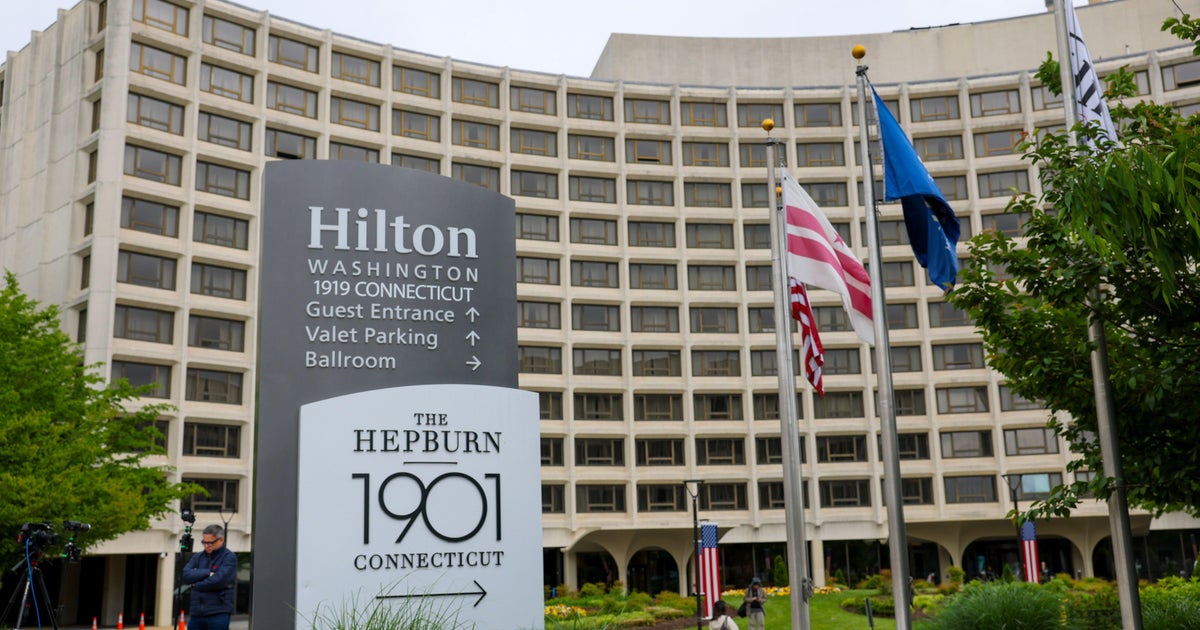
Historically, presidential security has been a continuous concern. The 1981 assassination attempt on President Ronald Reagan at the Washington Hilton serves as a stark reminder of the persistent risks associated with public appearances. The detailed accounts of the event, including the precise trajectory of the bullet and the actions of security personnel like agent Jerry Parr, highlight the complex and often perilous nature of protecting the nation’s highest office. The proposal’s mention of a “Secret Service annex” and “military stuff” suggests an ambition for a fortified command center integrated with ceremonial functions, a significant departure from traditional ballroom construction.
Further complicating the discourse is the alleged motive of the recent security breach suspect, Cole Tomas Allen. Investigators are reportedly examining social media posts, including comparisons of President Trump to Adolf Hitler and encouragement of gun purchases, suggesting a radicalized individual motivated by animosity towards the president and his policies. The FBI’s examination of seized electronic devices and online activity, including posts on X (formerly Twitter) archived on the Wayback Machine, aims to understand the depth of premeditation and extremist ideology. Such investigations underscore the growing challenge of monitoring online spaces for indicators of politically motivated violence.
The financial implications of a $400 million project are substantial. Critics question the opportunity costs, pondering which essential public services or infrastructure projects might be deferred to fund the ballroom. While proponents frame the project as a non-partisan security imperative for the presidency, opponents view it through the lens of fiscal responsibility and potential extravagance. The strategic communication tactic of framing the project as “about the presidency” rather than “about Trump” seeks to depersonalize the initiative and broaden its appeal, yet the political calculus remains contentious.
The geographic distribution of the bill’s sponsors—from states like South Carolina, Alabama, and Missouri—suggests an effort to build a broad coalition. However, the ultimate success of the legislation will hinge on navigating the deep ideological divisions within the Republican party, balancing concerns for national security with traditional fiscal conservatism, and securing sufficient bipartisan support in a polarized political climate. The potential for this proposal to become a prolonged legislative battle, marked by intense debate and political maneuvering, is significant.