Operational Disruption for New Disney Vessel in Singapore
Disney Cruise Line experienced a significant operational setback when its newest ship, the Disney Adventure, canceled a planned four-night Singaporean voyage on May 7, 2024, after passengers had already embarked. This incident underscores the complexities and potential risks associated with deploying new, large-scale maritime assets, particularly in new international markets.
The ship’s captain initially informed guests of technical issues and a departure delay. However, a full cancellation was announced the following day, prolonging passenger uncertainty and revealing critical shortcomings in immediate crisis communication and guest relations protocols.
Passenger Experience and Compensation Framework
Onboard passengers reported lengthy waits for official instructions post-cancellation. Logistical challenges in managing the large-scale disembarkation and rehousing of hundreds of guests became evident, with hotel details provided late at night and accommodation expected after 1:30 AM.
In response, Disney Cruise Line offered a comprehensive compensation package. This included a full refund of the cruise fare and pre-paid expenses, a 50% discount on a future sailing, complimentary hotel accommodation for the night of May 7, reimbursement for hotel and flight changes, and up to $500 for incidental expenses. This multi-faceted approach aims to mitigate reputational damage and retain customer loyalty, aligning with industry standards for significant service failures.
Strategic Implications of Asian Homeporting
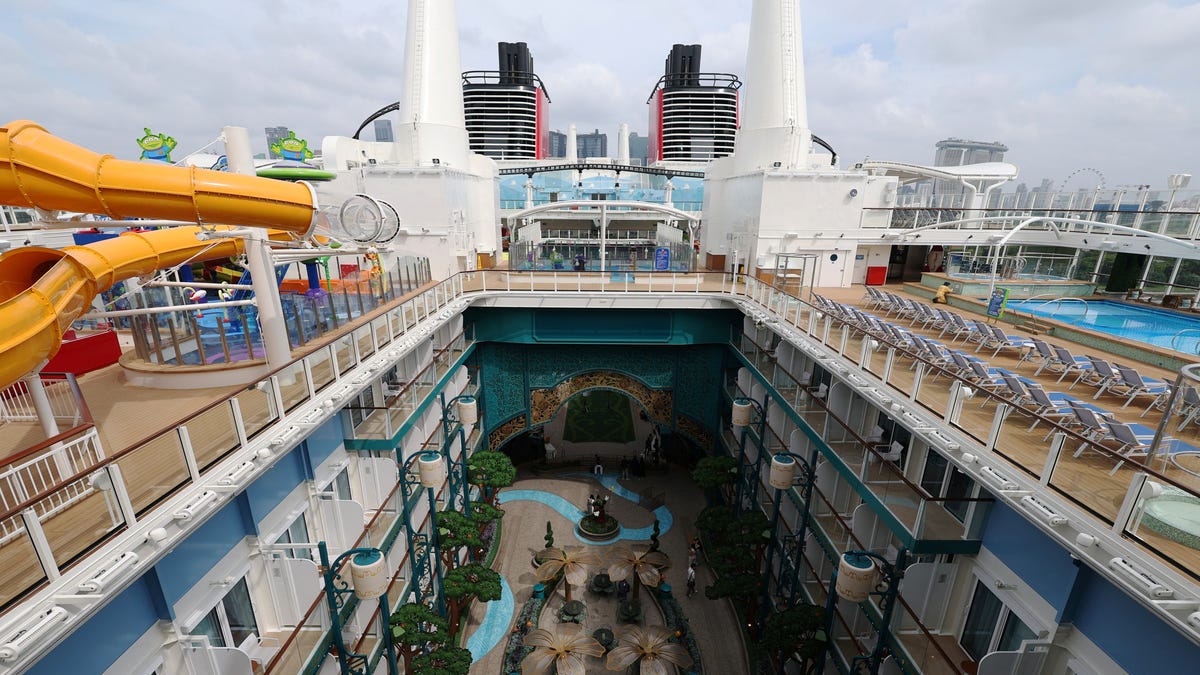
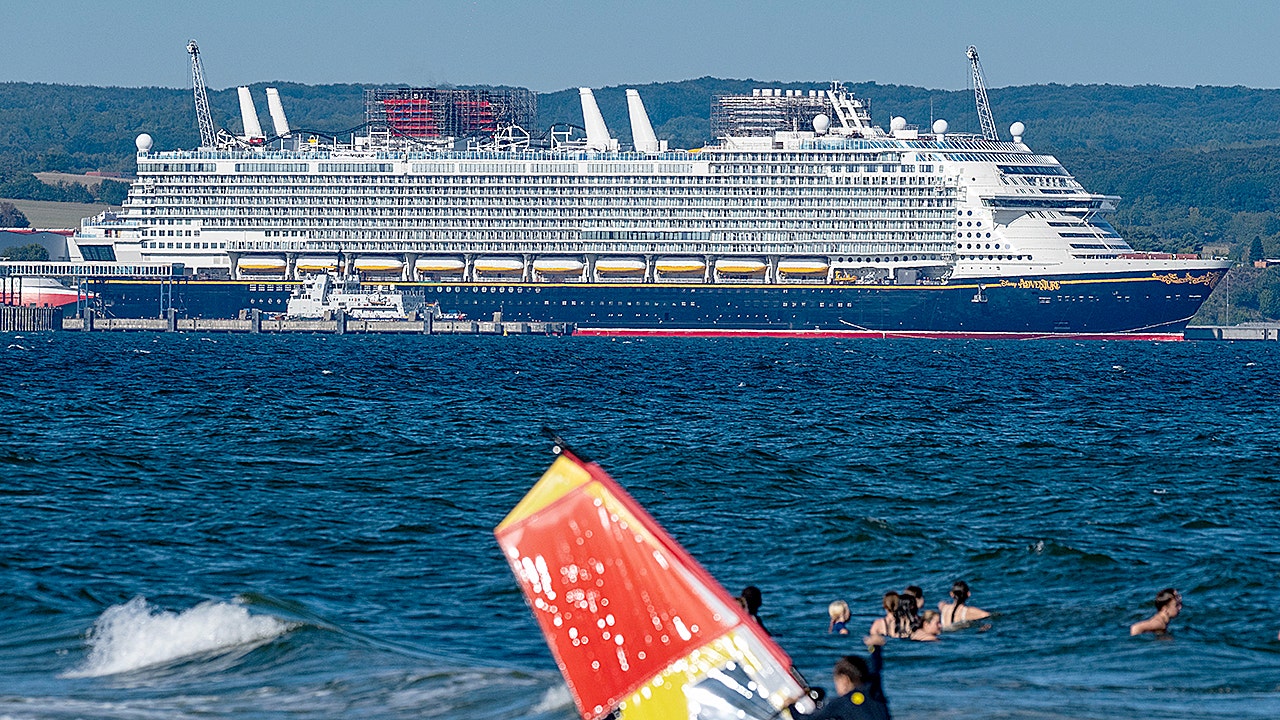
The Disney Adventure’s debut in March marked its entry as the largest ship in Disney’s fleet and the first to be homeported in Asia, a strategic move for the company’s seafaring expansion. This cancellation, however, casts a shadow over the initial phase of its ambitious Asian market penetration, potentially impacting consumer confidence and future booking trends.
The vessel subsequently departed on its next scheduled sailing on May 11, following the resolution of the mechanical issue. This demonstrates the company’s capacity for rapid problem-solving and operational recovery. Nevertheless, the incident highlights the heightened scrutiny and performance expectations placed on new flagship vessels, particularly when representing significant strategic investments in new markets.
Industry Context and Risk Management
Cruise line cancellations, though infrequent, are an acknowledged operational risk, often arising from mechanical failures, weather, or geopolitical issues. The financial implications for operators can be substantial, including refunds, compensation, lost revenue, and brand equity damage.
Disney Cruise Line’s response, featuring a robust compensation offer and swift technical resolution, aligns with best practices in crisis management. However, the timing of the cancellation—after guest embarkation—suggests potential oversights in pre-voyage diagnostics or a rapid escalation of an unforeseen technical problem impacting seaworthiness.
Reputational Impact and Future Performance
For Disney Cruise Line, a brand built on meticulous guest experiences, this incident poses a challenge to its carefully cultivated reputation. Public accounts of the passenger experience, shared on platforms like Reddit, highlight the speed at which negative events can disseminate and influence public perception.
The effectiveness of Disney’s compensation strategy and its subsequent operational performance will be crucial in shaping long-term brand loyalty and market position, especially as it seeks to establish a strong foothold in the Asian cruise market. Learning from this event and enhancing pre-voyage inspection and contingency planning will be paramount for future deployments.
Capital Investment and Operational Resilience
The deployment of the Disney Adventure represents a substantial capital investment, signaling Disney’s commitment to expanding its cruise division. The ship’s advanced design and capacity are intended to drive revenue growth and enhance its competitive standing in the premium cruise segment.
The technical issue, despite its resolution, raises questions about the robustness of systems and engineering in a newly launched vessel. Ensuring long-term operational resilience is critical for realizing projected returns on investment and maintaining the consistent service delivery integral to the Disney brand’s premium pricing.
Market Positioning and Competitive Landscape
Disney Cruise Line operates in a highly competitive global cruise market. Its strategy of focusing on family-centric experiences and leveraging intellectual property has been a key differentiator.
The successful integration of the Disney Adventure into its Asian operations is vital for capturing market share and challenging competitors in a region with growing demand for leisure travel. This early operational hiccup necessitates a swift and decisive recovery to avoid ceding ground to rivals or creating lasting negative perceptions among potential customers in this strategically important market.
Regulatory and Safety Considerations
While specific technical details are undisclosed, any cancellation post-embarkation triggers internal reviews and potential external scrutiny regarding maritime safety and operational readiness. Regulatory bodies expect thorough investigations into the root cause of such failures.
The rapid resolution and subsequent sailing suggest the issue was deemed manageable and not an ongoing safety risk. However, the incident serves as a reminder of the stringent safety protocols and maintenance regimes required in the cruise industry, where passenger well-being is paramount.
Customer Relationship Management in Crisis
The handling of the passenger experience during the cancellation period offers a case study in customer relationship management under duress. Reported communication and assistance delays highlight potential gaps in staffing or training for emergency disembarkation scenarios.
Disney’s subsequent generous compensation package cannot fully offset the disruption to vacation plans. The long-term impact will depend on how effectively the company addresses the underlying causes of communication and logistical failures and reinforces its commitment to service excellence.
Strategic Expansion and Operational Risk Mitigation
Disney’s expansion into new markets, such as homeporting in Asia, is strategic for diversifying revenue and tapping into global demand. However, such expansions inherently increase operational complexity and expose the company to a wider array of potential risks, including unfamiliar logistics, diverse regulatory environments, and varying consumer expectations.
The cancellation underscores the need for meticulous planning and robust contingency measures when entering new territories. It suggests that while strategic vision is crucial, execution must be supported by strong operational preparedness to mitigate unforeseen events and maintain brand integrity.
The Role of New Vessel Technology
As the largest ship in Disney’s fleet, the Disney Adventure likely incorporates advanced technologies. While new technology can enhance guest experience and efficiency, it can also introduce novel points of failure not always apparent during initial testing.
The unspecified “technical issues” could range from software glitches to hardware malfunctions. The rapid resolution indicates either a minor issue or an effective engineering response, but it also prompts consideration of the learning curve associated with integrating and maintaining cutting-edge systems on a newly commissioned vessel.
Impact on Future Asian Market Entry
The success of Disney’s Asian homeporting strategy hinges on building consumer trust in the region. An early, publicized cancellation, even with compensation, can create a negative initial impression that may deter bookings.
Competitors in the Asian cruise market will observe Disney’s response. This incident could provide rivals an opportunity to highlight their operational stability, potentially influencing consumer choice as the market matures.