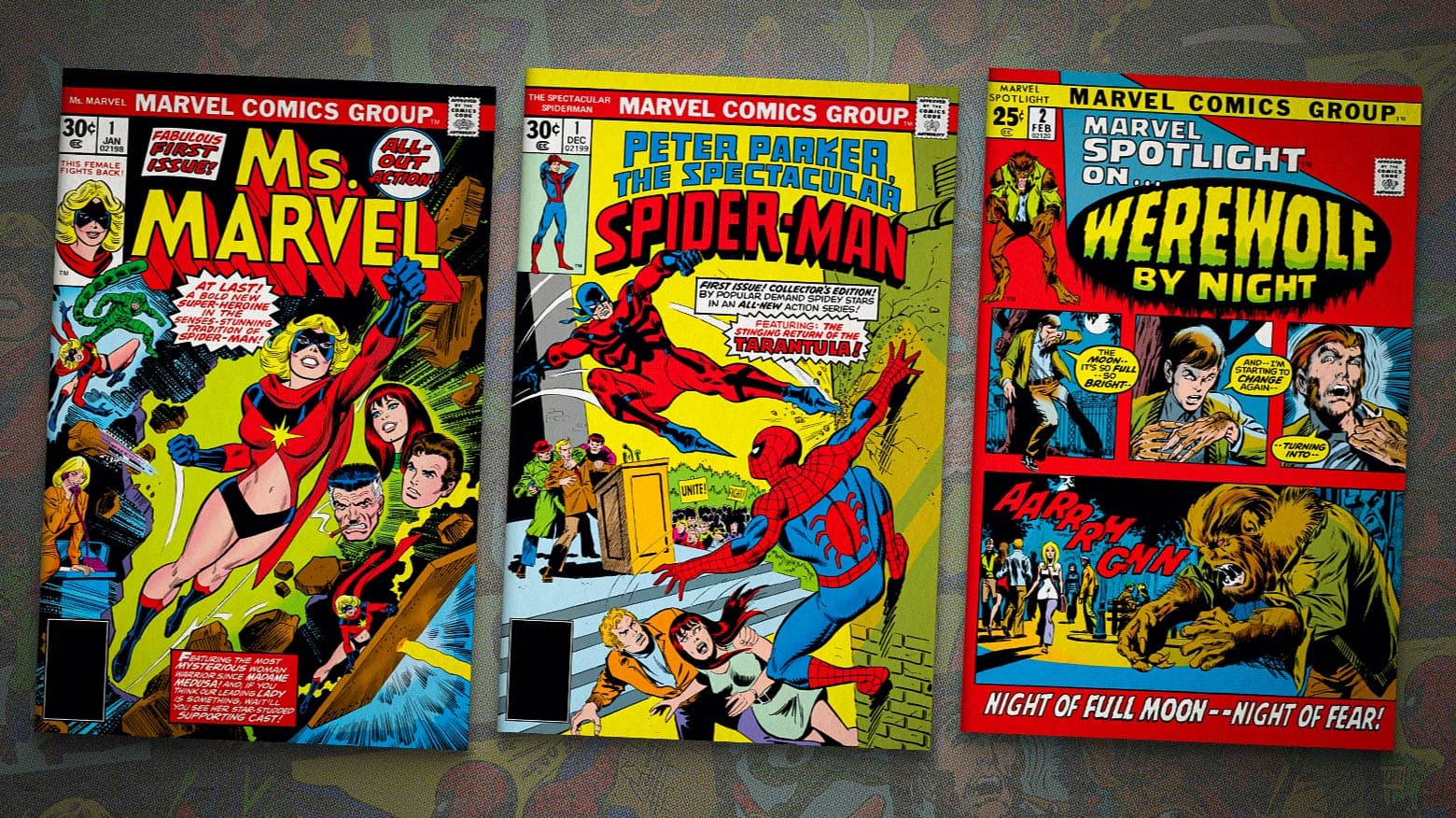
Institutional Paradigm Shift: The Conway Era
Gerry Conway’s career represents a critical inflection point in the comic book industry, marking the transition from Silver Age idealism to Bronze Age realism. As a writer and former Editor-in-Chief at Marvel, Conway spearheaded a structural shift toward consequence-driven character arcs. His trajectory—debuting at DC Comics before anchoring Marvel’s creative direction—exemplifies the competitive talent mobility that fueled the industry’s professionalization during the late 20th century.
His influence extended beyond creative output into editorial governance. By advocating for creator rights and narrative continuity, Conway helped standardize the professional environment that defines modern publishing. His resilience, including a public battle with pancreatic cancer, mirrored the professional tenacity required to navigate the volatile market shifts of the 1970s and 80s, where he successfully managed the brand identities of the world’s two largest comic book ecosystems.
Narrative Disruption: The Gwen Stacy Precedent
Conway’s primary strategic contribution to the Spider-Man franchise was the execution of ‘The Night Gwen Stacy Died.’ This editorial pivot functioned as a structural break from traditional tropes that shielded supporting casts from permanent harm. By removing a core protagonist, Conway introduced existential risk into the superhero genre, forcing a permanent evolution in Peter Parker’s psychological profile and establishing a blueprint for high-stakes storytelling.
This decision demonstrated that intellectual property (IP) could be strengthened through radical change rather than stagnation. This approach to narrative management remains a cornerstone of Marvel’s modern strategy, ensuring long-term reader engagement by grounding fantastic scenarios in genuine emotional and moral consequences.
IP Diversification: The Punisher and Market Expansion
Beyond narrative shifts, Conway’s legacy is anchored in strategic IP diversification. The introduction of The Punisher marked a departure from traditional heroic archetypes, allowing Marvel to capture a mature demographic through street-level, morally ambiguous storytelling. This expansion opened new revenue streams and market segments, moving beyond the ‘all-ages’ model toward a multifaceted content portfolio.
Similarly, the creation of characters like Ben Reilly provided the framework for complex mythologies that would influence decades of editorial direction. These assets were not merely additions to a roster but strategic tools used to explore identity and morality. The enduring financial and cultural performance of these characters in film and television underscores the institutional value Conway’s work provided to Marvel as a corporate entity.
Competitive Mobility and the DC-Marvel Nexus
Conway’s early success at both DC and Marvel highlights the fluid nature of talent in the 1970s. This cross-pollination allowed for the standardization of storytelling techniques across the industry. His ability to master diverse assets—from the Avengers to Iron Man—demonstrated a comprehensive understanding of market dynamics and character-driven branding. By amplifying the core attributes of these properties, he ensured their relevance across shifting cultural landscapes, laying the groundwork for today’s multi-billion dollar media franchises.