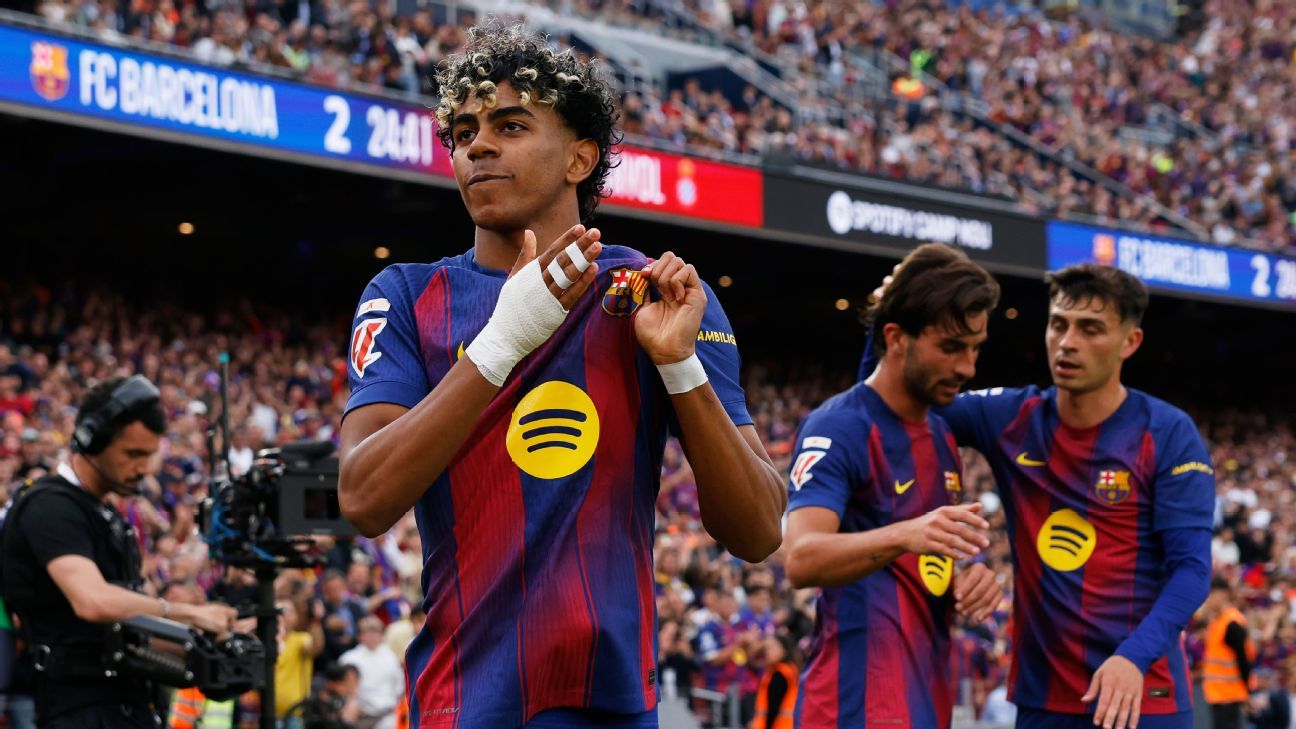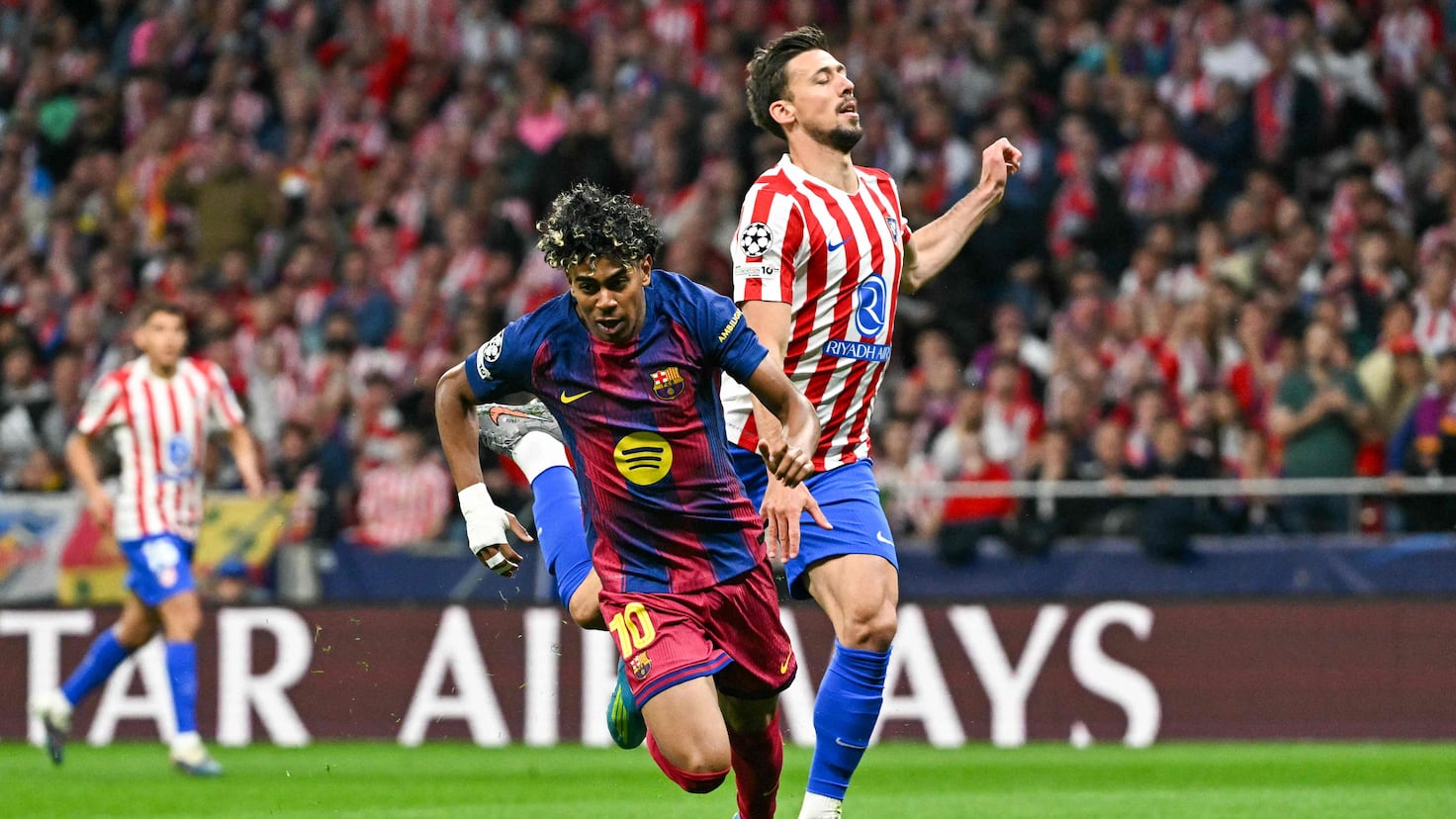
High-Stakes European Showdown: Tactical Gambles and Legacy Implications
The UEFA Champions League quarter-final second leg between Atlético Madrid and FC Barcelona stands as a pivotal moment for both clubs, carrying substantial strategic and operational ramifications. FC Barcelona confronts the formidable challenge of overturning a two-goal aggregate deficit, having suffered a 2-0 home defeat in the first leg. This scenario historically presents an exceptionally low probability of progression in elite European knockout competitions.
This aggregate deficit places immense pressure on FC Barcelona’s strategic leadership, specifically head coach Hansi Flick. His public statements, projecting unwavering resolve despite the statistical probabilities, constitute a deliberate psychological strategy. This aims to both galvanize his squad internally and strategically manage external media narratives and fan expectations.
The Remontada Imperative and Historical Precedent
FC Barcelona’s imperative to achieve a ‘remontada’ at the Riyadh Air Metropolitano transcends a mere sporting contest, becoming a profound test against established historical patterns. The club’s prior failures in all three Champions League knockout ties where they lost the first leg at home amplify the competitive pressure. This historical precedent critically informs the current strategic calculus for overcoming such a significant disadvantage.
This recurring pattern indicates a systemic vulnerability for Barcelona in high-stakes, reactive competitive scenarios. It necessitates a critical re-evaluation of the squad’s tactical adaptability and psychological resilience under duress. The quest for a ‘remontada’ therefore extends beyond game-day results, deeply influencing the club’s broader narrative concerning its competitive identity and capacity for recovery in elite European football.
Strategic Personnel Shifts and Tactical Reconfigurations
Hansi Flick’s refined lineup decisions for Barcelona signify a radical tactical pivot, evidenced by the omission of established forwards Robert Lewandowski and Marcus Rashford from the starting XI. This deliberate choice signals a strategic intent to introduce unpredictability and disrupt Atlético’s well-organized defensive system. The deployment of a more dynamic attacking trident, featuring Gavi, Fermín, and Ferran Torres, aims to leverage pace and movement over traditional target play.
Ferran Torres’s strategic deployment as a ‘nine puro’ (pure striker) exemplifies Flick’s willingness to innovate with positional roles and diversify attacking profiles, diverging from reliance on traditional center-forwards. This operational adjustment seeks to create interstitial spaces and exploit defensive gaps through agile movement and quick transitions. Such an approach presents a distinct challenge to Atlético’s formidable defensive block compared to the first leg’s methodology.
The integration of Gavi and Fermín into the midfield introduces a critical blend of youthful energy, aggressive pressing, and enhanced ball recovery capabilities. These personnel choices reflect a significant tactical gamble, prioritizing midfield dynamism and the element of surprise over established attacking partnerships. This carries direct implications for Barcelona’s capacity to dictate offensive rhythm and fulfill defensive responsibilities across multiple phases of play.
Atlético’s Defensive Fortification and Squad Management
Atlético Madrid’s coach, Diego Simeone, known as ‘El Cholo,’ has implemented a singular, yet tactically resonant, change in his defensive lineup. The inclusion of Clément Lenglet to replace the injured Hancko signifies a deliberate decision to “echar el cerrojo” (bolt the lock) on their two-goal advantage. This move reinforces Atlético’s renowned defensive pragmatism, prioritizing structural integrity and the experience of key personnel to secure their aggregate lead.
Simeone’s meticulous approach to squad management is further evidenced by his strategic decision to rest key offensive players—Griezmann, Julián, Llorente, and Giuliano—in preceding domestic fixtures. This operational choice ensures these primary attacking threats achieve peak physical condition for the high-intensity Champions League encounter. Such prioritization maximizes their performance leverage and readiness for critical counter-attacking opportunities.
The unwavering continuity in Atlético’s core tactical philosophy, which prioritizes defensive solidity and opportunistic counter-attacks, remains a significant competitive advantage. Their projected approach for the second leg involves a highly disciplined execution of this strategy. This is specifically designed to effectively absorb Barcelona’s anticipated offensive pressure and ruthlessly exploit any vulnerabilities created by their opponent’s urgent need to score.
The Weight of Historical Performance and Competitive Pressure
Barcelona’s historical inability to reverse a first-leg home defeat in the Champions League establishes a profound psychological burden that pervasively influences the current fixture. This consistent pattern of underperformance in critical knockout stages can demonstrably impact player confidence and compromise decision-making processes under acute pressure. Such historical context adds a significant layer of mental complexity to Hansi Flick’s strategic mandate.
For both coaching staffs, the outcome of this pivotal match carries immense reputational capital and career-defining implications. A successful ‘remontada’ for Flick would profoundly bolster his nascent tenure at Barcelona, validating his tactical acumen and leadership capabilities. Conversely, Simeone’s anticipated success in guiding Atlético through the tie would further solidify his enduring status as a master tactician in European football, reinforcing the club’s distinctive competitive identity.
The competitive pressure emanating from this tie transcends individual coaching reputations, directly influencing the clubs’ long-term strategic positioning within European football’s elite hierarchy. Progression to the semi-finals is not merely a sporting accomplishment; it functions as a critical benchmark for institutional ambition, significantly impacting future player recruitment strategies and global brand perception.
Operational Challenges and Depth Management
Both clubs confront considerable operational challenges arising from critical player availability issues, which directly constrain tactical flexibility and strategic depth. Barcelona is particularly impacted by Pau Cubarsí’s suspension and injuries to Marc Bernal, Christensen, and Raphinha. These absences compel Flick to activate alternative personnel and implement substantial adjustments to defensive and midfield configurations.
The necessity of integrating players such as Eric García back into the defensive line, alongside a reshuffled midfield and attack, rigorously tests the overall resilience and tactical adaptability of Barcelona’s squad. These forced personnel changes underscore the paramount importance of squad depth in modern elite football. Maintaining consistent performance levels despite key absences is fundamental for achieving sustained competitive success.
Atlético, despite replacing only the injured Hancko with Lenglet, benefits significantly from Simeone’s strategic resting of key players, ensuring their primary offensive weapons are optimally fresh. This striking disparity in player availability and physical readiness highlights divergent philosophies in managing the demands of a congested fixture calendar. Such differences carry direct implications for in-game energy levels, tactical execution, and sustained intensity across 90 minutes.
Financial and Institutional Ramifications of European Progression
Advancing to the UEFA Champions League semi-finals carries profound financial implications for participating clubs, representing a critical institutional incentive within European football’s economic ecosystem. The accumulation of substantial prize money, increased broadcast revenue shares, and amplified sponsorship opportunities directly bolsters a club’s economic health and operational budget. These funds critically impact future investment capabilities in talent acquisition and infrastructure development.
Beyond immediate financial windfalls, sustained success in elite competitions like the Champions League significantly elevates a club’s brand equity and global market positioning. This heightened international profile is instrumental for attracting top-tier talent in subsequent transfer windows. It also facilitates the securing of more lucrative commercial partnerships, thereby reinforcing the club’s overall valuation as a premier global sports enterprise.
For FC Barcelona, currently navigating complex financial landscapes, progression would offer a vital injection of capital and a significant boost to its institutional prestige. This could materially ease pressures on strategic financial planning and debt servicing. For Atlético, continued deep runs in the competition consistently solidify its status as a robust and reliable contender, thereby enhancing its appeal to international investors and commercial partners.
The Media Narrative and Stakeholder Expectations
The pre-match narrative, intensely focused on Barcelona’s ‘remontada’ challenge, profoundly shapes public perception and significantly amplifies stakeholder expectations. Media coverage, influenced by journalist Ferran Martínez’s timely insights into Barcelona’s prospective lineup, meticulously frames the contest. This framing positions the match as a high-stakes battle of strategic wills and tactical ingenuity, captivating a vast global audience.
Hansi Flick’s confident press conference statements fulfill a dual strategic purpose. They project unwavering belief internally to his squad while simultaneously attempting to influence the external narrative and shift psychological momentum in Barcelona’s favor. This deliberate strategic communication is a critical element in managing the immense pressure associated with such high-profile fixtures, directly impacting fan sentiment and global media discourse.
The intense atmosphere anticipated at the Metropolitano, galvanized by Atlético’s fervent home support and the immense stakes of the tie, will significantly influence the match’s psychological and tactical dynamics. Broad fan engagement, both within the stadium and through extensive global media consumption, underscores the profound cultural and emotional investment in these elite sporting contests. This engagement influences outcomes ranging from individual player performance to broader club marketing strategies and brand appeal.
Long-Term Strategic Trajectories and Performance Leverage
The decisive outcome of this Champions League quarter-final will inevitably exert a profound influence on the long-term strategic trajectories of both FC Barcelona and Atlético Madrid. For Barcelona, a successful ‘remontada’ could signify a pivotal turning point, critically validating Flick’s tactical vision and potentially establishing a new foundational course for the club’s competitive identity and future recruitment strategies.
Conversely, a failure to advance would necessitate an immediate and deeper institutional introspection into squad composition, tactical frameworks, and systemic resilience. This could potentially trigger significant strategic adjustments and leadership realignments in the upcoming off-season. The performance leverage gained or lost in such a pivotal match directly dictates future transfer market activity, influences coaching stability, and shapes the overall club direction for subsequent seasons.
For Atlético, progression would unequivocally reinforce their established model of defensive solidity and tactical discipline as a consistently viable pathway to elite European success. This achievement would significantly influence their ongoing player development pipelines and transfer policies. The continuous evolution of club identities and tactical philosophies within European football’s fiercely competitive landscape is frequently shaped by such defining moments, driving strategic innovation and adaptation across the sport.