Geopolitical Branding: The Tokyo Premiere as a Market Pivot
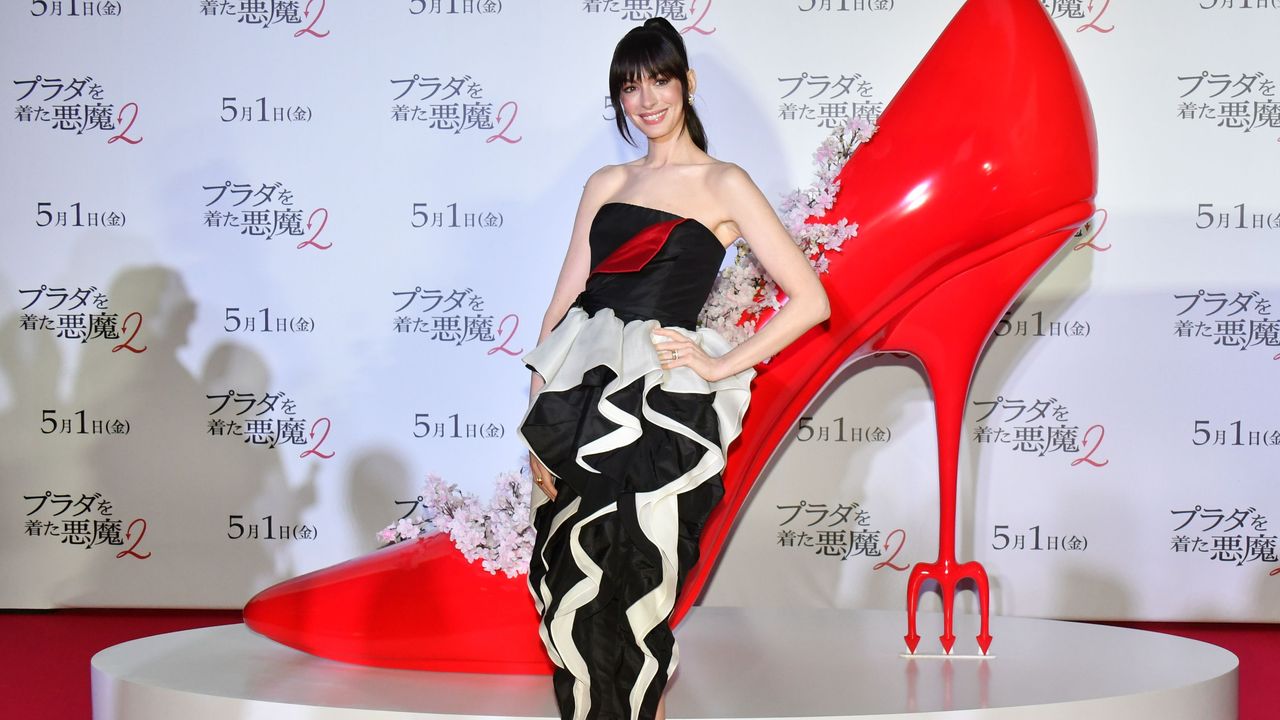
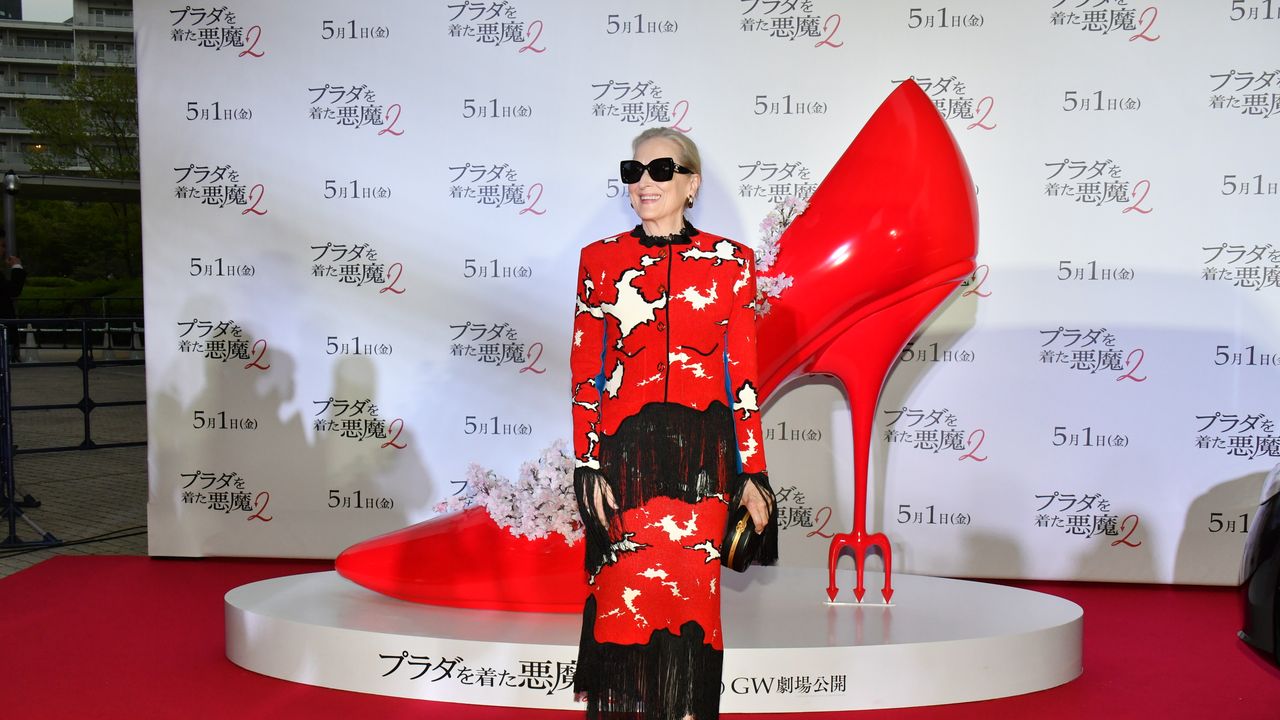
The global press tour for The Devil Wears Prada 2 commenced at the Roppongi Hills Arena in Tokyo, a selection that underscores a calculated geopolitical strategy. By centering the sequel’s debut in Japan, the production targets the luxury-dense Asian market, reinforcing the franchise’s institutional authority within the global fashion hierarchy. The red-carpet appearances of Anne Hathaway and Meryl Streep transcend mere promotion; they function as a semiotic extension of the film’s core thesis: the inextricable link between sartorial excellence and cultural hegemony.
The Alessandro Michele Era: Recontextualizing Valentino
Anne Hathaway’s ensemble—a strapless gown from Valentino’s Spring 2026 Haute Couture collection—represents a pivotal intersection of cinematic narrative and real-world industry shifts. Under the creative direction of Alessandro Michele, the garment utilizes a structured black silk bodice with a strategic reveal of Valentino’s signature scarlet lining. This choice serves as a brand-heritage marker, updated for a contemporary audience that demands structural complexity. The inclusion of white Rockstud heels—a silhouette that has transitioned from a seasonal trend to a permanent portfolio staple—bridges the gap between the film’s 2006 origins and its 2026 setting, validating the commercial longevity of the house’s visual codes.
Institutional Authority: Miranda Priestly’s Sartorial Evolution
The wardrobe for Miranda Priestly (Meryl Streep) indicates a significant departure from the ‘greige’ minimalism and dated tailoring of the previous decade. Realigned with the current dominance of artisanal luxury, the character’s aesthetic now mirrors the craftsmanship of Chanel’s Métiers d’Art collections. This shift reflects the evolving power dynamics within the fictional Elias-Clark conglomerate, where executive survival depends on high-leverage luxury alignments. By opting for knitted textures and structured suits over the ephemeral ‘boss-core’ aesthetic of social media influencers, the film asserts that Priestly remains at the apex of professional dressing, commanding the attention of the global fashion elite.
The Stylist as Brand Architect
Collaborating since 2019, Anne Hathaway and stylist Erin Walsh have reached a professional zenith with this press tour. Walsh, an alumna of Vogue under the legendary Phyllis Posnick, brings an authentic institutional pedigree to the production. The move toward ‘Supernova Joy’—a branding pivot toward high-impact, optimistic couture—contrasts with the cynical industrial critique of the original film. This strategic optimism is essential for maintaining Hathaway’s status as a global icon while fulfilling the commercial imperatives of the film’s luxury partners, effectively turning the red carpet into a high-stakes brand management exercise.
The Decline of Influencer Aesthetics and the Return of Exclusivity
A critical subtext of the Tokyo premiere is the explicit rejection of the ‘influencer tailoring’—the flimsy trenches and oversized trousers popularized by brands like Maebe. The sequel’s wardrobe serves as a manifesto for the return of sartorial authority. By integrating specific items like the Valentino Rockstud as a ‘tool of the trade’ rather than a passing trend, the film re-contextualizes luxury products within a narrative of professional power. This level of product integration is a hallmark of modern high-budget cinema, where the wardrobe budget is offset by strategic partnerships with global luxury houses, ensuring the film remains a permanent fixture in the cultural lexicon of fashion.