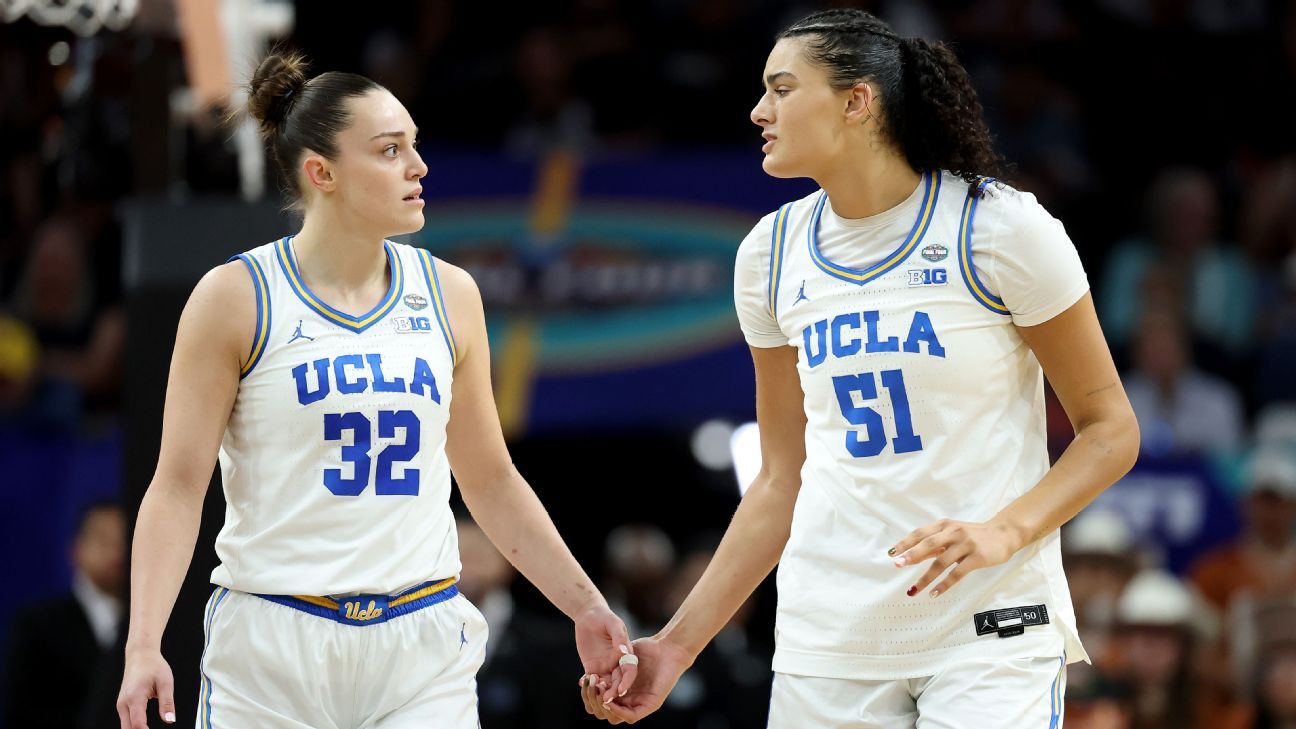
UCLA’s Strategic Ascent to Championship Game
UCLA’s presence in the NCAA championship game marks a critical inflection point, underscoring a profound shift in the team’s competitive psychology. Head coach Cori Close’s assertion that last year’s Final Four experience, despite a semifinal loss, created more pressure than the current title game highlights this evolution.
This recalibration signifies a transition from reactive performance to proactive strategy, a hallmark of elite athletic programs. By leveraging high-stakes exposure as a developmental tool rather than a deterrent, UCLA has positioned itself as a formidable and seasoned contender.
Leveraging Past Setbacks for Future Success
The strategic advantage UCLA brings into the championship game stems directly from its prior Final Four appearance, a learning crucible that has demonstrably reshaped its operational approach. Coach Close’s observation that returning players now mentor newcomers on managing Final Four pressures highlights an institutionalized knowledge transfer, crucial for building championship teams.
This internal mentorship framework not only bolsters the confidence of less experienced players but also reinforces a collective understanding of the strategic nuances required at the highest level of collegiate competition, signaling program maturity and sustained elite performance capacity.
Coaching Evolution and Programmatic Identity
Cori Close’s journey to this championship game reshapes perceptions of her coaching acumen, moving beyond motivation to a recognized strategic and tactical prowess. Her 15-year tenure at UCLA reflects a deliberate program-building effort, culminating in this championship appearance after a significant Final Four setback.
Close’s evolution as a leader, marked by acknowledging past shortcomings and actively seeking player feedback, demonstrates a commitment to adaptive management. This introspective approach, coupled with strategic planning, positions her as a coach capable of navigating complex competitive landscapes and fostering a resilient team culture.
Championship Game Dynamics: Experience vs. Refined Strategy
The championship matchup pits UCLA’s refined strategic approach against South Carolina’s established championship pedigree. South Carolina’s consistent presence in multiple Final Fours and title games since 2017 demonstrates deep experience and proven performance under immense pressure.
While experience is a critical factor, UCLA’s stated ability to approach the game with a ‘businesslike’ mindset, informed by their own recent high-pressure experiences, suggests they are prepared. The game’s outcome will likely hinge on UCLA’s execution of its strategic game plan against an opponent with demonstrated championship-level resilience and tactical execution.
Media and Stakeholder Implications
The broadcast of the championship game across major networks signifies significant media interest and the commercial value of elite women’s college basketball. This broad exposure amplifies the stakes for both programs, impacting athletic achievement, institutional branding, and recruitment capabilities.
For UCLA, a national title would validate years of program investment and coaching development, potentially attracting increased sponsorship, media attention, and top-tier talent. South Carolina’s pursuit of a fourth title reinforces its status as a dominant force, with each championship solidifying its legacy and marketability.
Strategic Planning and Player Positioning
Coach Close’s emphasis on a ‘totally different planning experience’ for this championship game, compared to the previous Final Four, indicates a sophisticated understanding of opponent tendencies and game-flow management. The ability to strategically position players for success, rather than simply reacting, points to advanced analytical preparation.
This strategic depth suggests UCLA has meticulously analyzed South Carolina’s strengths and weaknesses, developing specific tactical adjustments. Such detailed game planning is crucial for a team aiming to overcome a historically dominant opponent on the sport’s biggest stage.
The Role of Mentorship in Championship Runs
The observation that returning UCLA players actively guide newer teammates through the Final Four experience highlights a critical element of program sustainability and championship culture. This peer-to-peer knowledge transfer provides authentic insights into managing the unique psychological and logistical demands of a national championship event.
This internal coaching mechanism fosters shared responsibility and collective resilience, ensuring team performance is not solely dependent on the coaching staff. It suggests a mature team environment where experienced athletes invest in the success of their less experienced peers, a hallmark of enduring athletic programs.
Dawn Staley’s Perspective on Coaching Benchmarks
South Carolina’s head coach Dawn Staley’s acknowledgment of Cori Close as a ‘connector’ provides external validation of UCLA’s coaching philosophy and its impact on player development and community engagement. Staley, a benchmark for success in women’s college basketball with multiple championships, recognizes the multifaceted nature of effective leadership.
Her commentary suggests Close’s influence extends beyond the court, encompassing her ability to build strong relationships with players, stakeholders, and influential figures within the sports community, a vital component of long-term program success and influence.
Program Building and Long-Term Vision
UCLA’s journey to the championship game is the culmination of a 15-year vision implemented by Cori Close, demonstrating the power of sustained commitment in collegiate athletics. The program’s elevation from a Final Four contender to a national championship finalist reflects deliberate and consistent investment in talent acquisition, player development, and strategic coaching.
This long-term perspective is crucial in a landscape prioritizing immediate results. UCLA’s success serves as a case study for other programs, illustrating that consistent strategic execution and a focus on building a robust team culture can lead to elite performance over extended periods.
Competitive Landscape and Future Trajectories
The championship game between No. 1 seeds UCLA and South Carolina underscores the competitive intensity at the top of women’s college basketball. South Carolina’s quest for a fourth title since 2017 positions them as a dynasty, while UCLA’s first-ever appearance signifies a potential shift in the sport’s power dynamics.
Regardless of the outcome, UCLA’s performance is likely to enhance its recruiting profile and national standing. The continued growth and visibility of programs like UCLA are critical for the overall expansion and commercial viability of women’s basketball, attracting broader fan bases and investment.
The Strategic Advantage of Experience
South Carolina’s extensive experience on the championship stage provides a significant psychological and tactical edge. Having navigated the pressures of multiple national title games, their players and coaching staff possess an ingrained understanding of how to manage critical moments and execute under duress.
This seasoned perspective allows them to maintain composure and make critical adjustments. The Gamecocks’ consistent Final Four appearances since 2017 are a testament to their program’s ability to recruit, develop, and sustain elite talent capable of performing at the highest level year after year.
UCLA’s ‘Businesslike’ Mindset as a Counterbalance
UCLA coach Cori Close has articulated a ‘businesslike’ mindset for her team entering the championship game, a strategic framing designed to mitigate the overwhelming emotions associated with such a high-stakes contest. This approach focuses on execution, process, and tactical objectives rather than succumbing to the spectacle.
By drawing parallels to the pressure experienced in their previous Final Four run, UCLA aims to normalize the championship environment, treating it as a logical progression. This mental conditioning is crucial for a team making its debut on this stage, aiming to replicate the strategic discipline that has brought them this far.
The Impact of Coaching Philosophy on Program Trajectory
Cori Close’s evolution from primarily a motivator to a recognized tactical strategist is significant for UCLA’s program identity. Her 15-year commitment to building the Bruins has involved refining her coaching approach, incorporating player feedback and learning from past outcomes.
This adaptive leadership style, characterized by introspection and soliciting input from players, fosters a collaborative environment vital for sustained success, ensuring the program remains agile and responsive to evolving demands in collegiate athletics.
South Carolina’s Dominance and Legacy Building
South Carolina’s pursuit of a fourth national title since 2017 solidifies their position as one of the premier programs in women’s college basketball history. Each championship enhances their legacy, influencing recruiting, program prestige, and perceptions of sustained excellence.
Coach Dawn Staley’s leadership has been instrumental, establishing a culture of high expectations and consistent performance. The Gamecocks’ consistent Final Four presence is a testament to their organizational strength and ability to maintain a competitive edge.
Media Coverage and Commercial Leverage
The broadcast of the national championship game on major networks underscores the growing commercial value and media interest in women’s college basketball. This increased exposure provides significant leverage for both programs, enhancing brand visibility and potential for future partnerships.
For UCLA, reaching this stage offers a unique opportunity to capture national attention and solidify its brand. For South Carolina, another championship run would further amplify their established marketability and influence within the sport.
Strategic Game Planning and Opponent Analysis
UCLA’s coach Cori Close has highlighted a ‘totally different planning experience’ for this championship game, indicating a more strategic and less reactive approach compared to their previous Final Four appearance. This suggests a deep dive into opponent analysis, focusing on specific tactical adjustments and player matchups.
The ability to ‘be more strategic in how we put our players in position to be successful’ implies a sophisticated game plan designed to neutralize South Carolina’s strengths and exploit any perceived weaknesses. This level of preparation is critical for a team seeking to overcome a more experienced opponent.
The Institutionalization of Experience
The phenomenon of returning UCLA players briefing newcomers on the Final Four experience demonstrates an institutionalized method of knowledge transfer within the program. This organic mentorship ensures that the unique pressures and demands of competing at the highest level are understood and managed collectively.
This internal coaching mechanism fosters a cohesive team dynamic and builds resilience, as players learn from the lived experiences of their teammates, allowing the program to maintain its competitive edge over time.
Coaching Recognition and Programmatic Impact
Dawn Staley’s characterization of Cori Close as a ‘connector’ offers a valuable external perspective on UCLA’s coaching philosophy and its broader impact. Staley, a highly decorated coach, recognizes the importance of building relationships and leveraging networks for player development and program growth.
This recognition validates Close’s comprehensive approach to coaching, which extends beyond on-court strategy to encompass community engagement and fostering a supportive ecosystem, a driver of sustained success in collegiate athletics.
The Long Arc of Program Development
UCLA’s journey to the national championship game represents the culmination of 15 years of dedicated program building under Cori Close. This sustained effort underscores the importance of long-term vision and consistent execution in achieving elite status within collegiate sports.
The program’s progression from a consistent contender to a championship finalist exemplifies how strategic investment in coaching, player development, and a strong team culture can yield significant results over time, serving as a model for other institutions.
Competitive Dynamics and Ecosystem Influence
The championship clash between two No. 1 seeds, UCLA and South Carolina, highlights the intense competition and the evolving landscape of women’s college basketball. South Carolina’s pursuit of a fourth title since 2017 signifies an established dynasty, while UCLA’s inaugural appearance signals a potential shift in the sport’s hierarchy.
The outcome will influence future recruiting trends, media narratives, and competitive balance. The increased visibility of programs like UCLA at this level is crucial for the continued growth and commercialization of women’s basketball, attracting new audiences and investment.