
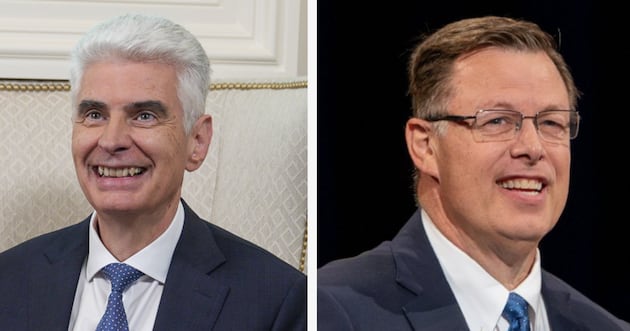
The appointments of Elder Gérald Caussé and Elder Clark G. Gilbert to the Quorum of the Twelve Apostles represent a calculated recalibration of the senior leadership hierarchy within The Church of Jesus Christ of Latter-day Saints. Set for formalization during the April 2026 General Conference, this transition underscores a strategic pivot toward embedding specialized administrative and pedagogical expertise within the Church’s highest ecclesiastical body.
Technocratic Governance and Temporal Stewardship
Elder Gérald Caussé’s elevation from Presiding Bishop to the Quorum of the Twelve integrates a sophisticated operational perspective into spiritual governance. His background in international finance and his tenure overseeing the Church’s global infrastructure, real estate, and welfare programs provide a bridge between temporal logistics and ecclesiastical policy. As a French national, Caussé’s presence signals an institutional drive to diversify cultural perspectives, ensuring that leadership reflects the complexities of international regulatory environments and the necessity of global standardization in an expanding organization.
Educational Capital and Demographic Retention
Elder Clark G. Gilbert’s background as Commissioner of Church Education introduces a focus on institutional development and digital learning. His leadership has been defined by the expansion of global education platforms designed to maximize human capital. This move prioritizes the retention of the Church’s younger, digitally-connected demographic. By translating data-driven instructional methodologies into lifelong apostolic service, Gilbert provides a strategic framework for maintaining institutional relevance within an increasingly secularized global academic landscape.
Mechanisms of Succession and Institutional Stability
The sustaining process during the General Conference functions as a vital mechanism for reinforcing organizational legitimacy. The lifelong nature of these callings ensures a rare degree of policy consistency, insulating the Church’s long-term strategic planning from the volatility of short-term cycles. Gilbert’s assertion that the ‘keys’ of authority transcend individual personality emphasizes a structural philosophy where institutional continuity is prioritized over personal charisma, a critical factor for an organization operating across diverse legal jurisdictions.
Synergy of the New Apostolic Profile
The integration of these leaders—combining Caussé’s international operational fluency with Gilbert’s focus on intellectual development—creates a balanced leadership profile. This synergy addresses both the temporal sustainability and the ideological growth of the global faith. Moving forward, the focus will remain on how this cross-pollination of specialized expertise will influence the Church’s trajectory, positioning the organization to navigate the socioeconomic complexities of the mid-21st century with an experienced, technocratically-capable core.
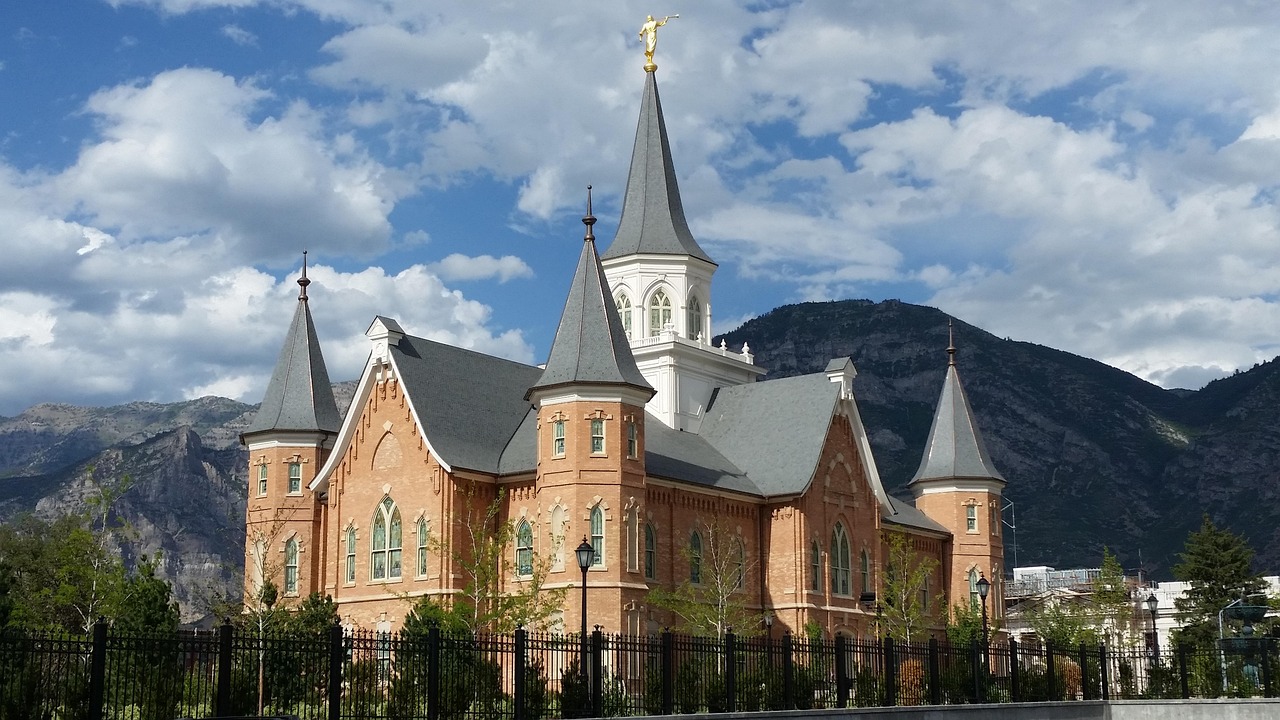
Photo by AmplifyThought on Pixabay.