The Operational Crucible: Managing Environmental Volatility
The Kansas City Royals’ 13-9 victory over the Minnesota Twins at Kauffman Stadium served as a definitive stress test for organizational adaptability. Persistent rain and dense fog transformed the venue into an operational crucible, impacting the structural integrity of the infield and the precision of defensive execution. This contest transcended typical win-loss metrics, highlighting how environmental variables can dictate strategic pivots and expose systemic vulnerabilities in stadium infrastructure and player safety protocols.
Offensive Leverage and High-Velocity Performance Indicators
The Royals’ offensive output was anchored by an unconventional source: the bottom third of the lineup. Beyond situational hitting, this segment demonstrated elite-level performance metrics. The 110.1 mph double by Jac Caglianone and the 110.9 mph follow-up by Collins represent significant data points in exit velocity analytics. Maintaining such precision under sub-optimal visibility suggests a high degree of technical focus, providing the Royals with a distinct competitive advantage when top-tier hitters were neutralized.
This sustained pressure from the lower order disrupted the Twins’ pitching rhythm early. Key contributions from Kyle Isbel and Maikel Garcia capitalized on defensive hesitation caused by slick field conditions. Furthermore, the fog-obscured popup by India in the third inning underscored how atmospheric conditions can convert routine defensive plays into significant scoring opportunities, shifting the game’s momentum through environmental leverage.
Systemic Breakdown: The Anatomy of an 11-Run Inning
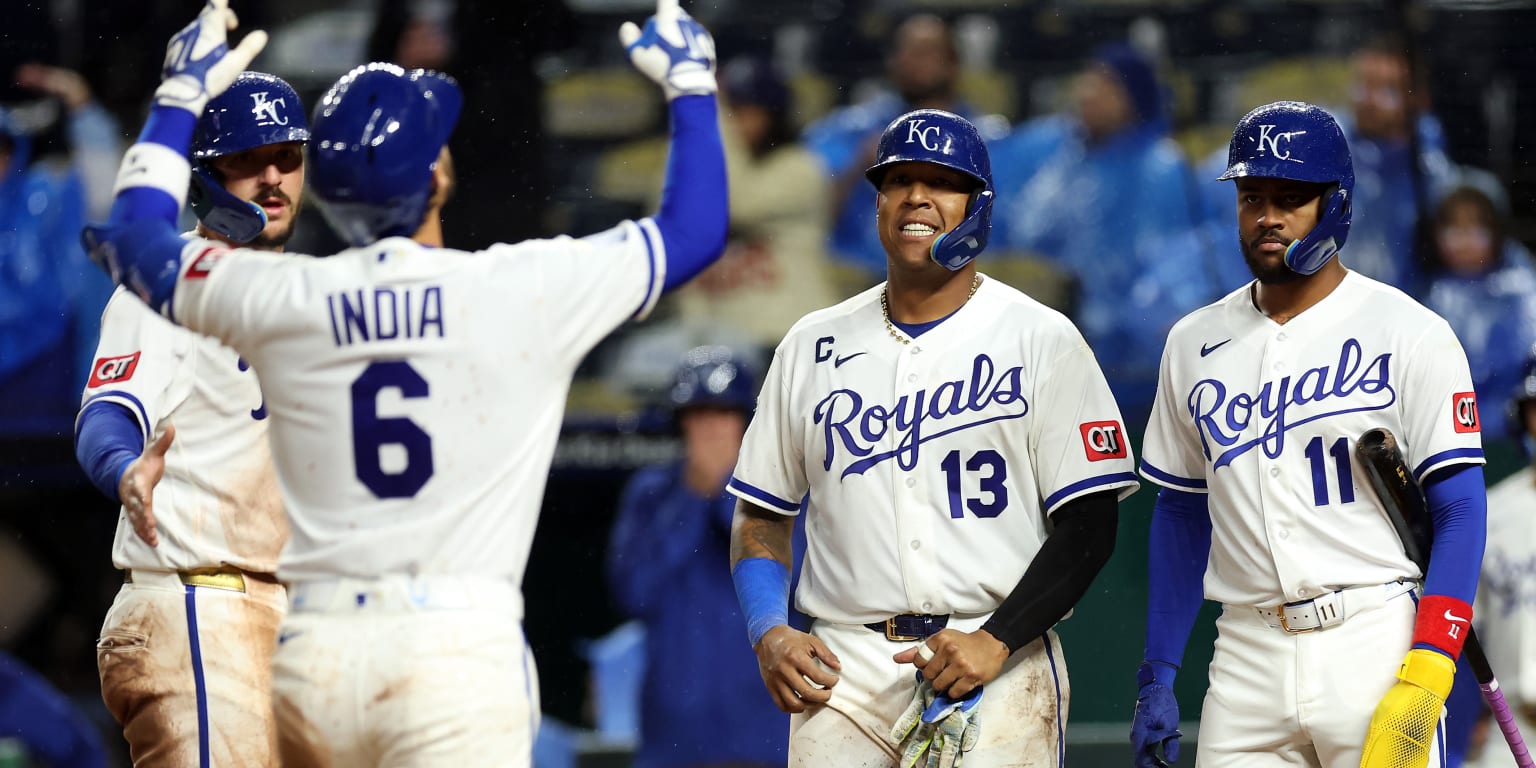
The sixth inning represented a confluence of failures for the Twins’ pitching staff. An 11-run explosion by the Royals was fueled not only by hitting but by a loss of command, evidenced by a series of walks and hit-by-pitches. This breakdown in pitching control constitutes a critical operational failure, likely exacerbated by the deteriorating weather. The inning reached its climax with a Jonathan India grand slam, a high-leverage event that effectively demoralized the opposition and solidified the Royals’ control over the game narrative.
Integrating a commercial dimension, the ‘$25,000 Sonic Slam’ promotion linked this athletic achievement directly to fan engagement and corporate sponsorship. This synergy demonstrates how professional sports teams leverage dramatic performance milestones to fulfill marketing objectives, bridging the gap between on-field results and the broader economic model of the MLB.
Bullpen Management and Regulatory Friction
Despite a commanding lead, the game’s late-stage volatility necessitated aggressive bullpen management. Starter Noah Cameron’s admission regarding the difficulty of ‘getting out alive’ reflects the physical and psychological toll of pitching in severe weather. When the Royals’ lead narrowed significantly by the ninth inning, the managerial decision to deploy Lucas Erceg—the team’s highest-leverage reliever—signaled a prioritization of immediate victory over the preservation of pitching resources.
This strategic move was necessitated by the absence of Carlos Estévez, whose injury created a structural gap in the bullpen. Erceg’s seven-pitch save validated this resource allocation, preventing a total defensive collapse. Additionally, the game’s duration of 3 hours and 36 minutes highlights a point of regulatory friction. As the longest nine-inning game for the Royals since the 2023 pitch timer implementation, it illustrates that extreme scoring and environmental factors can override institutional attempts to accelerate game pace.
Strategic Outlook and Morale
Securing this series win is a vital inflection point for a team overcoming a sluggish season start. The ability to maintain offensive consistency and bullpen stability under duress suggests a deepening of the roster’s strategic resilience. By analyzing which players thrived in these adverse conditions, the Royals’ organization gains actionable data for future tactical adjustments and roster construction, reinforcing the team’s competitive viability in the division.