Hegseth Removes Army Chief Amid Iran Conflict
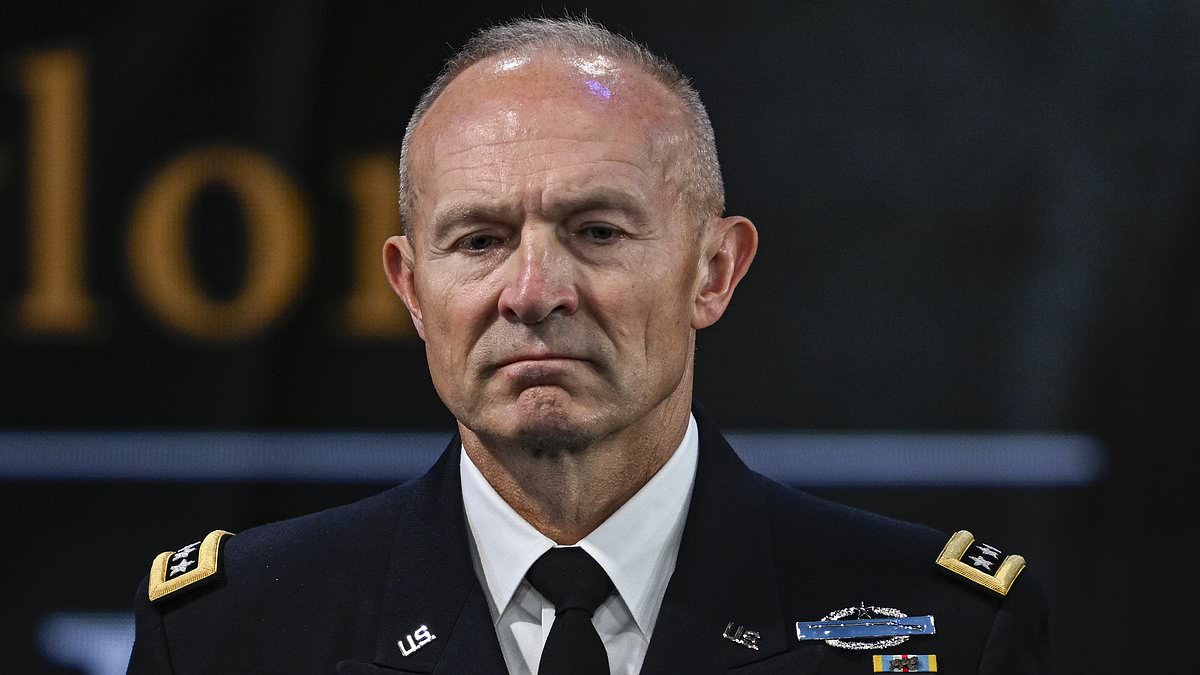
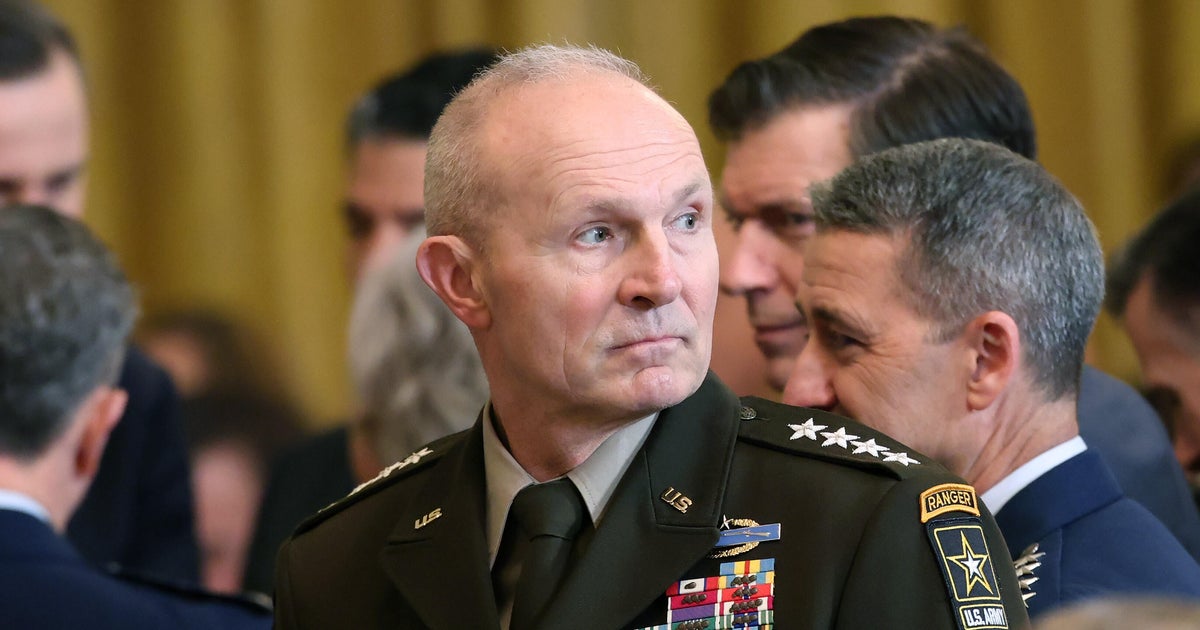
Defense Secretary Pete Hegseth has requested the immediate retirement of Army Chief of Staff Gen. Randy George, according to sources familiar with the decision who spoke to CBS News. The move comes as the United States deploys 50,000 troops to the Middle East, anticipating a potential ground invasion in Iran. George, who was nominated by President Joe Biden and confirmed by the Senate in 2023 for a standard four-year term, typically concluding in 2027, has been abruptly removed mid-tenure.
The decision to remove the Army’s highest-ranking uniformed officer breaks with established norms of leadership continuity, particularly during a period of heightened geopolitical tension. Sources indicate that Hegseth seeks to install a leader who aligns with the strategic vision of President Trump and himself, suggesting a fundamental divergence from the previous administration’s approach to military doctrine and force deployment. This action underscores a strategic imperative to realign military leadership with new political objectives during a critical operational phase.
Institutional Precedent and Political Alignment
The removal of Gen. George, a figure aligned with the previous administration’s defense establishment (having served as senior military assistant to Defense Secretary Lloyd Austin from 2021-2022), highlights the vulnerability of high-ranking military appointees to political transitions. The standard four-year term for a service chief is designed to provide stability and insulate military leadership from short-term political fluctuations; however, this action demonstrates the limits of that convention.
The selection process for George’s replacement further illustrates the emphasis on political alignment. Gen. Christopher LaNeve, the current vice chief of staff of the Army, is named as a likely replacement. LaNeve previously served as Hegseth’s military aide, suggesting a prioritization of candidates with established personal relationships and demonstrated loyalty to the new administration’s leadership over traditional non-partisan seniority. This pattern can impact institutional morale and raise questions about the perceived independence of the military command structure during periods of transition.
Strategic and Operational Implications for the Iran Deployment
The timing of George’s removal is strategically significant, coinciding with the deployment of 50,000 US troops to the Middle East in preparation for a potential ground invasion of Iran. This deployment represents a major escalation in regional posture, requiring precise coordination and strategic direction from the highest levels of military command. The abrupt change in leadership at the top of the Army introduces potential friction points in operational planning and execution during a critical phase of military readiness.
The Army Chief of Staff holds responsibility for the organization, training, and equipping of over one million soldiers, encompassing long-term strategic planning, resource allocation, and force structure decisions. A sudden transition in this role during an active deployment could create uncertainty regarding the implementation of current operational plans and the prioritization of resources for the ongoing mission. The source data implies that the new administration’s vision may involve a more aggressive posture toward Iran, potentially requiring a different set of operational priorities than those previously established.
Broader Consequences for Defense Governance
The removal of George in favor of a leader aligned with the new administration’s vision suggests a potential shift in defense policy toward a more hardline posture in the Middle East. This decision sets a precedent for prioritizing political alignment over institutional continuity, potentially increasing the politicization of high-level military appointments. The new administration’s focus on implementing its strategic agenda implies a reevaluation of existing force readiness, deployment strategies, and resource allocation in response to emerging geopolitical threats.
The clash between George’s strategic outlook and the new administration’s vision for the Army highlights a potential shift in military doctrine, moving away from previous priorities toward a new strategic focus. This divergence likely extends beyond specific policies to encompass fundamental questions about force structure, modernization priorities, and the prioritization of theaters of operation, altering the long-term strategic direction of the US military for the next several years.
Analysis of Consequences and Institutional Shift
The removal of Gen. Randy George represents more than a routine personnel change; it signifies a strategic shift in the civilian-military relationship during a period of active conflict. The administration prioritizes political coherence at the top of the command structure, particularly during a period of active conflict. The consequences of this decision extend beyond the immediate personnel change, potentially impacting operational readiness, strategic planning for the Middle East deployment, and the long-term governance of the US military.