
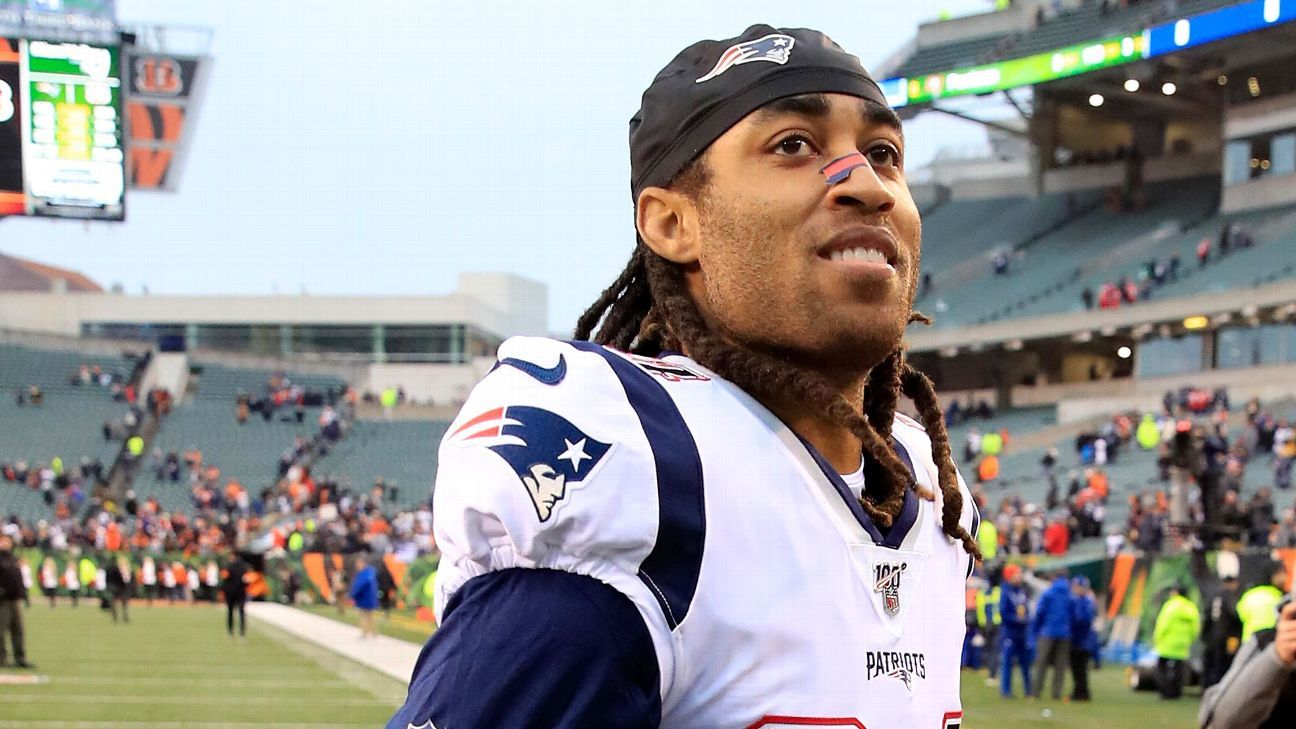
The Conclusion of a 13-Year Professional Tenure
Stephon Gilmore, a two-time All-Pro cornerback and the 2019 NFL Defensive Player of the Year, has officially announced his retirement. His departure closes a 13-year career spanning six franchises, emblematic of the modern NFL’s shift toward high-velocity roster turnover and specialized defensive roles.
Selected in the first round of the 2012 NFL Draft by the Buffalo Bills, Gilmore’s career arc reflects the evolution of the cornerback position. He transitioned from a highly touted prospect into a cornerstone asset, eventually navigating the league’s complex salary cap landscape as a high-impact veteran.
Strategic Defensive Impact
Gilmore’s zenith occurred with the New England Patriots (2017–2020), where he secured a Super Bowl championship and became the first cornerback in a decade to earn the AP Defensive Player of the Year award in 2019. Leading the league with six interceptions and 20 passes defended that season, his statistical dominance forced offensive coordinators to abandon primary receivers, granting his coaching staff unparalleled tactical flexibility in personnel deployment.
Market Dynamics and Institutional Strategy
Stints with the Carolina Panthers, Indianapolis Colts, Dallas Cowboys, and Minnesota Vikings highlight the transactional nature of the modern veteran market. For teams, Gilmore represented an efficient bridge between long-term foundational planning and the necessity of immediate, high-IQ impact talent. His ability to anchor varying defensive systems underscores the adaptability required to remain relevant in a league increasingly tilted toward high-scoring offenses.
Operational Legacy and Career Metrics
Finishing with 32 career interceptions and 149 passes defended, Gilmore’s statistics establish him as a benchmark for longevity. Beyond raw data, his career illustrates the ‘veteran mentor’ lifecycle—the critical shift from primary defensive stopper to locker room leader. His transition highlights the broader institutional pressure on NFL front offices to optimize age, salary, and production, reflecting the league’s rigorous, performance-driven economic model.
Strategic Implications for NFL Defenses
Gilmore’s exit creates a tactical void for organizations reliant on high-IQ, versatile defensive backs. As teams continue to prioritize schematic adaptability, the loss of an elite, veteran technician emphasizes the ongoing demand for sophisticated secondary play. His journey, from his upbringing in Rock Hill, South Carolina, to the pinnacle of professional football, serves as a standard for organizational talent development and defensive excellence.