Asymmetric Pressures and the Pristina Psychological Landscape
The 2026 FIFA World Cup play-off final in Pristina serves as a crucible for both tactical innovation and psychological endurance. Beyond the technical execution on the pitch, the encounter is defined by the environmental stressors inherent in high-stakes international football. The orchestration of nocturnal auditory disruptions outside the Turkish team’s residence—specifically the targeted use of pyrotechnics—represents a calculated attempt at sleep-cycle fragmentation. Such tactics aim to induce physiological fatigue and diminish cognitive acuity during critical transition phases of the match.
The Turkish camp’s response, articulated by İrfan Can Kahveci, demonstrates a sophisticated shift in psychological framing. By publicly delegitimatizing these disruptions as ‘failed attempts’ to gauge squad resilience, the team has neutralized the intended stressor, transforming external hostility into a secondary source of internal cohesion. This mental recalibration is crucial for a squad burdened by the institutional necessity of ending a 24-year World Cup absence, a drought that has significantly impacted the federation’s commercial and developmental trajectories since 2002.
Geopolitical Reciprocity: The 1999 Legacy as Soft Power
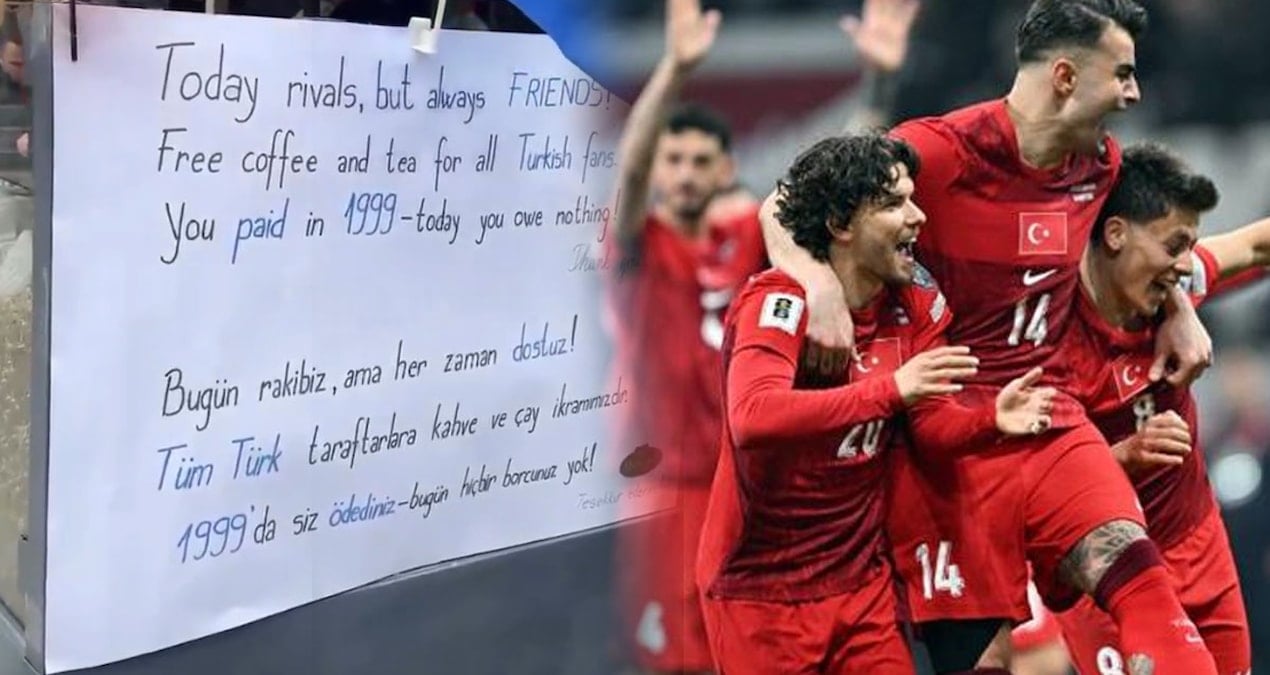
The bilateral dynamics between Turkey and Kosovo infuse the fixture with a layer of ‘soft power’ diplomacy rarely seen in competitive play-offs. Local gestures of hospitality in Pristina—such as businesses offering free services to Turkish supporters—are explicit acknowledgments of the 1999 intervention. Turkey’s historical contribution of 18 F-16 aircraft to regional security and the provision of refuge for 18,000 Kosovars have established a durable foundation of ‘institutionalized gratitude’ that now shapes the matchday security environment.
This historical context mitigates traditional fan friction, replacing it with a unique diplomatic subtext. For Kosovo, the match is a platform to demonstrate sovereign stability and competitive growth on a global stage. For Turkey, it is an exercise in maintaining regional influence through sporting excellence. The social media discourse surrounding ‘unforgotten favors’ underscores how historical memory functions as a stabilizing mechanism, ensuring that the competitive intensity of the play-off remains contained within the parameters of mutual respect.
Tactical Analysis: Transition Management and Individual Accountability
On the pitch, the opening 30 minutes revealed a strategic struggle for dominance in the middle third. Turkey’s offensive blueprint, led by Hakan Çalhanoğlu and Kenan Yıldız, focuses on ‘perimeter testing’—utilizing long-range strikes to force the Kosovar defensive block to expand. This strategy is designed to create exploitale pockets for wing-backs like Ferdi Kadıoğlu. However, the lack of clinical finishing in early windows has placed immense pressure on the Turkish defensive transition, where Uğurcan Çakır’s proactive positioning has been vital in neutralizing Vedat Muriqi’s vertical threats.
Kosovo’s tactical identity centers on rapid verticality, frequently bypassing the midfield to utilize Muriqi as a physical focal point. The 24th-minute intervention by Çakır and Abdülkerim Bardakcı’s critical block on Hodza are indicative of the high-level individual accountability required in a single-leg knockout format. As fatigue becomes a factor in the second half, the depth of the Turkish bench and the tactical flexibility of their coaching staff will determine if they can break down a resilient Kosovar marking system that has successfully limited high-probability scoring opportunities thus far.