
The Ascendant Trajectory of Women’s Collegiate Sports: A New Economic and Media Paradigm
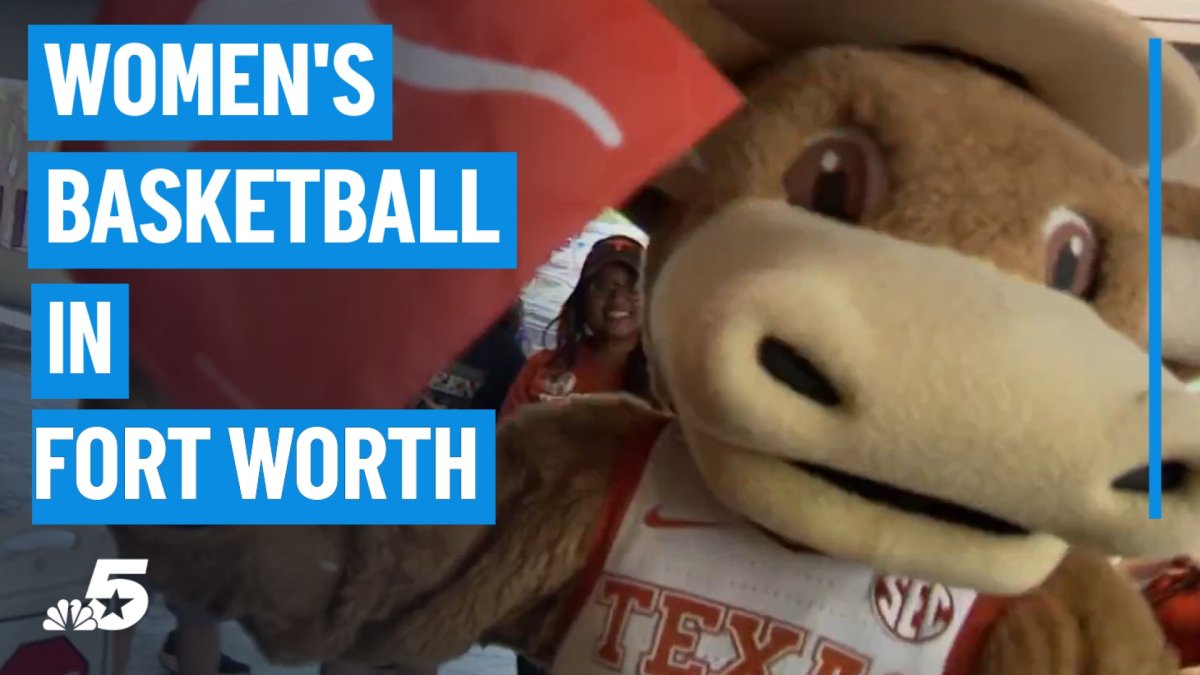
The dramatic rise of the NCAA Women’s March Madness tournament epitomizes a fundamental reorientation in collegiate athletics, media strategy, and economic leverage. Far from anecdotal, the intensified focus on premier matchups, powerhouse teams like the Longhorns, and compelling individual narratives—such as the Graves sisters’ collegiate journeys—signals a calculated institutional and public investment. This strategic pivot by media entities, exemplified by outlets like NBC DFW spotlighting “Women’s March Madness comes to Fort Worth,” underscores the tangible local resonance, cultivating community connection, audience loyalty, and ultimately, substantial advertising revenue within a burgeoning market.
Economic Engine: Direct Impact, Strategic Investments, and Urban Development
Host city designation, such as Fort Worth for Women’s March Madness, ignites a significant economic multiplier effect, channeling substantial direct spending into local hospitality, dining, and retail sectors. Thousands of visitors contribute immediately, but the strategic decision to secure hosting rights extends to long-term civic pride, tourism growth, and potential infrastructure development. These competitive bids represent a calculated investment, leveraging the tournament’s national spotlight for sustained regional marketing and economic uplift.
Beyond immediate revenue, the coordination among municipal services, local businesses, and event organizers creates a localized economic boom through temporary employment. Crucially, the indirect financial leverage derived from extensive media coverage featuring city landmarks provides invaluable promotional value, positioning the host city as a prime destination for future events and tourism, thereby ensuring the economic ripple effect extends well past the final buzzer.
Media Ecosystem: Crafting Narratives for Enhanced Engagement and Value
The strategic imperative in modern sports media extends far beyond game statistics to the deliberate cultivation of resonant narratives. Stories, such as a player’s assertion that “Sweet 16 free throws vs Kentucky symbolize Longhorns’ ‘team culture’,” are meticulously crafted by both athletic programs and media outlets. These narratives forge profound emotional connections with audiences, reinforcing brand identities and deepening fan allegiance.
For university athletic departments, such amplified “team culture” stories are invaluable assets, bolstering recruitment efforts, strengthening alumni engagement, and driving fundraising. This media-reinforced institutional appeal attracts prospective student-athletes and secures sustained financial and reputational support. Concurrently, the elevation of individual and family sagas, exemplified by the “Graves sisters excel in NCAA Tournament,” broadens content appeal, drawing in diverse audiences beyond core sports enthusiasts and enhancing the tournament’s overall marketability.
Media organizations strategically leverage these compelling human-interest angles to maximize viewership and digital engagement. Content delving into player psychology, team dynamics, and personal journeys transcends mere game recaps, transforming into ‘sticky’ assets that drive extended dwell times and repeat visits—critical metrics for success in the intensely competitive digital media landscape.
The Digital Frontier: Navigating Content Delivery Complexities and User Experience
The direct inclusion of a technical error message—”JavaScript is disabled in your browser. Please enable JavaScript to proceed. A required part of this site couldn’t load. This may be due to a browser extension; network issues; or browser settings. Please check your connection; disable any ad blockers; or try using a different browser. | Skip to content Main Navigation Search Search for: Local Weather NBC DFW 24/7 Responds Investigations Sports Entertainment Newsletters Watch 24/7 Create profile / Log in Dashboard Email preferences Sign out Trending Apply for an NBCU Local Impact Grant 💰 March Madness🏀 Tax season 🗄️ Need food?🛒 Good News newsletter 🙂 Expand News Women’s March Madness comes to Fort Worth Close Menu Create profile / Log in Dashboard Search for: Local Lone Star Politics Wake Up to Something Good Carter In The Classroom Texas News U.S. & World Weather Weather Connection Weather Alerts Traffic Sports Connection Investigations NBC 5 Responds Submit a consumer complaint Video Entertainment Texas Today NBC 5 TV Schedule Submit Photos or Videos Community About Us Our News Standards Submit a Consumer Complaint Submit Photos and Video TV Schedule Our Apps Contests Newsletters Cozi TV Follow Us Facebook Instagram TikTok Youtube Contact Us | SCRAPE_FAILED”—within the source material serves as a stark, empirical indicator of the inherent fragility and complexity governing modern digital content delivery. This technical impedance represents a critical, yet frequently underestimated, operational challenge confronting contemporary journalism.
Such failures expose significant operational risks for major news organizations like NBC DFW, especially during peak interest events such as March Madness. These interruptions directly translate into immediate audience frustration, compromised engagement metrics, and tangible advertising revenue losses, undermining the strategic investment in digital platforms.
The ramifications extend critically to user experience and brand reputation. Content loading failures prompt user abandonment, diverting traffic and eroding the perceived reliability of the news source. This exigency mandates not only robust technical infrastructure but also sophisticated, proactive troubleshooting mechanisms as fundamental requirements for digital publishers.
Moreover, the explicit reference to browser extensions and ad blockers highlights an ongoing ‘arms race’ concerning digital autonomy between content providers and consumers. Publishers must deftly navigate these access challenges, balancing user experience with safeguarding their crucial revenue models, often deploying advanced content delivery networks and optimized site architectures.
The “SCRAPE_FAILED” message, in essence, functions as a meta-commentary on the formidable technical barriers encountered by automated systems attempting to ingest and process web content. This limitation directly impedes data aggregation, content syndication, and the real-time accuracy of third-party platforms, thereby compromising the integrity and efficiency of the broader digital information ecosystem.
Interdependent Dynamics: Stakeholder Incentives, Risks, and Collective Value
The NCAA, as the tournament’s governing body, operates on a revenue-driven incentive structure, primarily benefiting from expansive media rights deals and corporate sponsorships. These revenues are critical for funding its operations and distributing resources to member institutions. Its primary risks include brand dilution from controversies, competitive challenges from alternative leagues, and the perpetual pressure to maintain event integrity and athletic equity.
Universities, particularly those with prominent athletic programs like the Longhorns, leverage tournament success for institutional branding, student recruitment, and alumni engagement. Their risk exposure encompasses substantial financial investment in athletic programs, the reputational impact of team performance, and the complex management of athlete welfare and compliance.
Athletes, while gaining unparalleled exposure and potential professional opportunities, bear immense physical and mental demands from high-stakes competition. Their incentives are often tied to athletic scholarships, professional aspirations, and personal achievement, balanced against significant risks of injury, academic pressure, and intense public scrutiny.
Media organizations, exemplified by NBC DFW, invest in covering these events to attract viewership, generate advertising revenue, and maintain market leadership as a primary source of news and sports. Their risks include the high cost of production, intense competition for audience attention, and the critical technical reliability of their digital platforms.
Host cities like Fort Worth strategically invest in infrastructure and services, anticipating robust economic returns from tourism and local spending. Their risks include potential cost overruns, lower-than-expected attendance, or negative public perception if event logistics are mismanaged, which could deter future event bids and compromise civic reputation.
Concluding Nexus: Cultural Impact, Equity, and the Future of Collegiate Sports
The confluence of high-stakes collegiate competition, impactful regional economic development, and rapidly evolving digital media strategies defines a complex, highly interdependent institutional ecosystem. The NCAA Women’s March Madness tournament has transcended its origins as a mere sporting event, solidifying its status as a potent cultural phenomenon wielding considerable economic and social leverage.
This sustained growth in viewership and commercial interest underscores a profound societal shift towards greater equity and recognition for female athletes. This burgeoning trend actively reshapes corporate sponsorship landscapes, dictates media investment priorities, and influences public discourse, thereby establishing a self-reinforcing ‘virtuous cycle’ of enhanced visibility, commercial backing, and escalating fan engagement.
University athletic programs function as strategic assets, fundamentally integral to institutional identity and financial vitality. Success in premier tournaments elevates a university’s national profile, creating a powerful halo effect that attracts elite athletic talent, discerning academic applicants, and crucial philanthropic donations, cementing their indispensable role within the broader educational mission.
Local news organizations remain pivotal conduits within this ecosystem, crucial for community engagement and the localized amplification of national narratives. Their focus on regional teams and athletes bridges the macro-spectacle with micro-relevance, cultivating a profound sense of shared identity and collective civic pride.
Ultimately, the interplay between unparalleled athletic performance, compelling media narratives, significant economic contributions, and robust technological infrastructure collectively defines the modern sports landscape. Each facet is indispensable to the creation and dissemination of value, profoundly shaping how these iconic events are experienced, consumed, and enduringly remembered across a multifaceted stakeholder spectrum.

Photo by susan-lu4esm on Pixabay.