Operational Volatility at the Metropolitan Detention Center
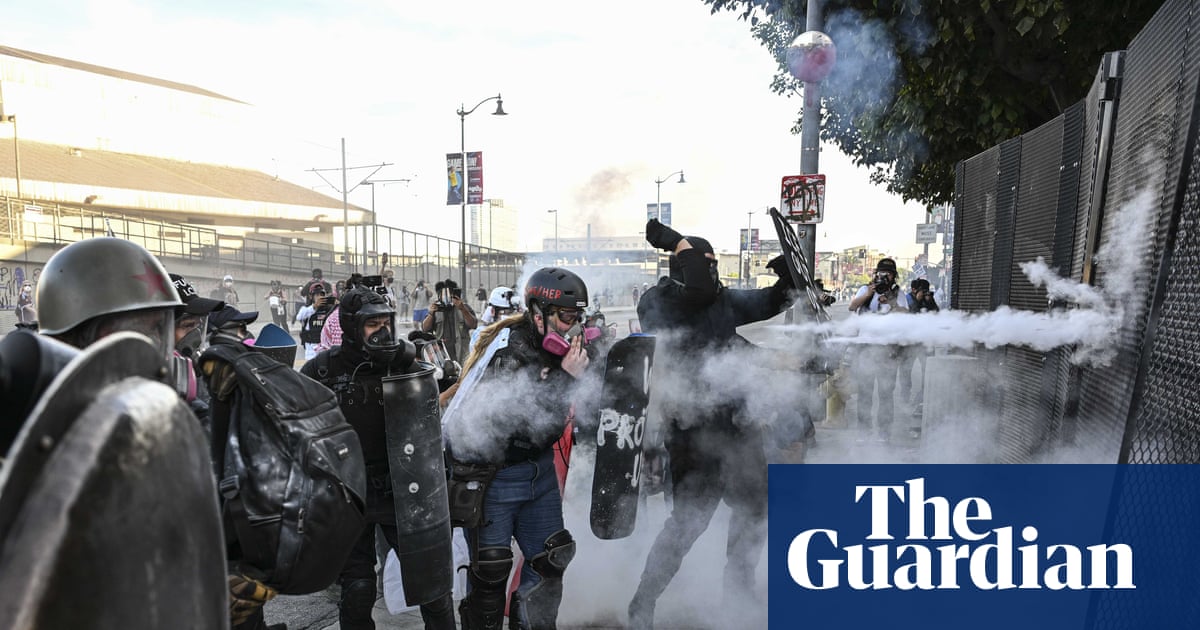
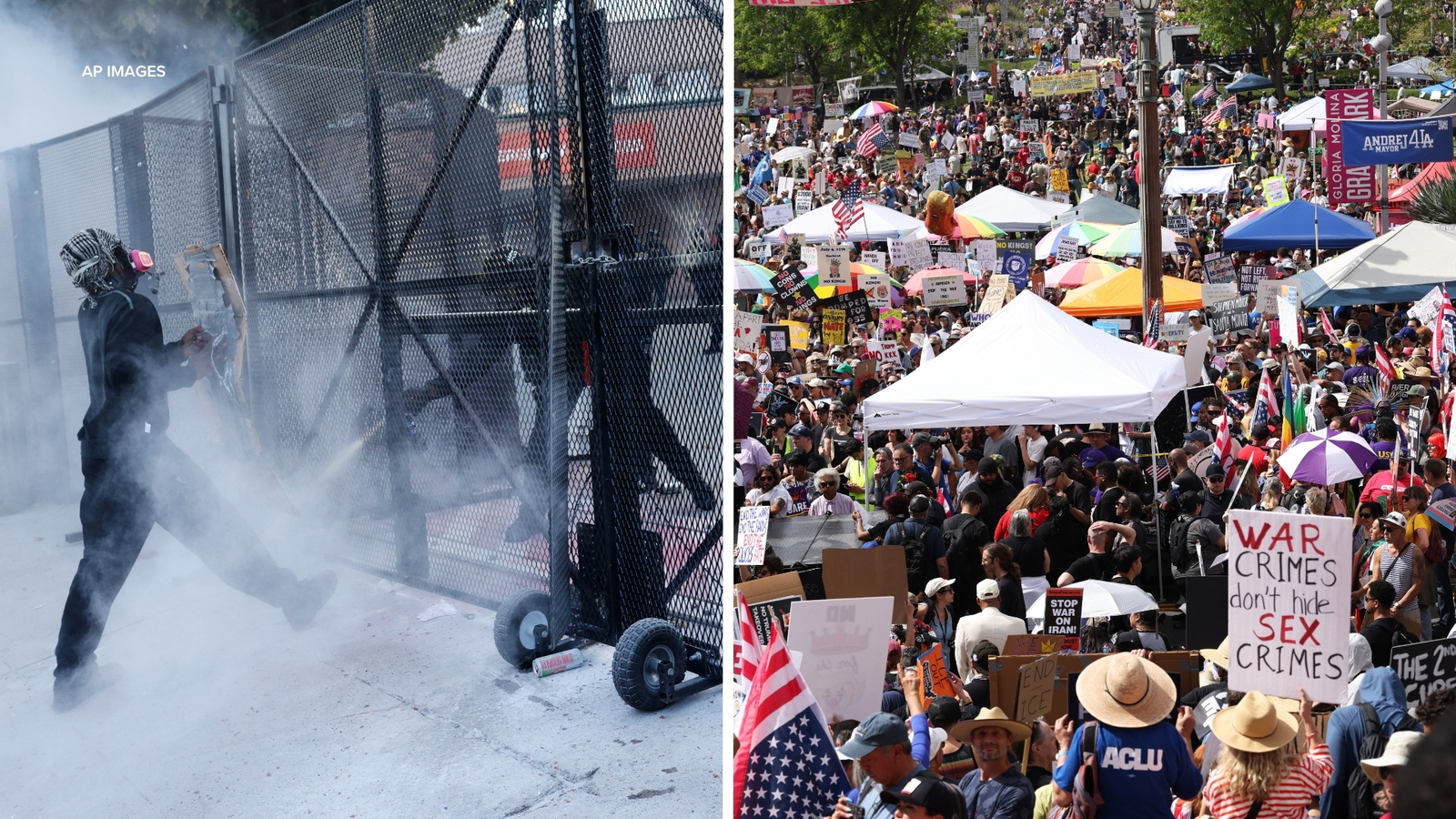
The transition of the Metropolitan Detention Center (MDC) from an administrative federal hub to a primary theater of domestic dissent highlights a critical shift in the geography of protest. Saturday’s escalation—marked by chemical irritants and dozens of arrests—underscores a hardening of engagement rules where federal jurisdiction intersects with local public space. The concentration of activity at this facility represents a targeted strike against the logistics of federal immigration enforcement, transforming the MDC into a physical symbol of policy friction.
Infrastructure Hardening and Logistical Neutralization
The preemptive installation of security gates along the 101 Freeway by Caltrans represents a transition toward ‘infrastructure-based crowd management.’ By neutralizing high-leverage transit arteries, the state has prioritized the flow of commerce over the tactical mobility of demonstrators. This intelligence-driven strategy acknowledges that freeway occupations are no longer spontaneous disruptions but calculated economic tools. The use of physical barriers shifts the burden of order from patrol-based policing to structural engineering, creating a controlled urban environment designed to mitigate ‘wildcat’ logistical shocks.
Fiscal and Personnel Implications of the Tactical Alert
The LAPD’s declaration of a Tactical Alert indicates a total mobilization of municipal force, suspending standard shift rotations to achieve maximum saturation. While ensuring immediate containment, this status creates a service vacuum in neighborhood-level policing and imposes a significant fiscal burden through overtime expenditures. This ‘zero-tolerance’ posture at federal perimeters reflects a delicate coordination between local and federal agencies, positioning the LAPD as a buffer between federal assets and a civilian population increasingly mobilized by executive policy grievances.
Macro-Scale Mobilization and Strategic Convergence
Organizers cite a historic mobilization of 8 million participants across 3,300 events, suggesting a decentralized digital infrastructure capable of bypassing traditional media gatekeepers. The ‘No Kings’ movement has successfully unified disparate grievances—ranging from the fiscal impact of the Iran war to rising domestic inflation—under a singular rhetorical banner of anti-executive overreach. This consolidation of interests transforms localized demonstrations into a formidable counterweight to federal authority, testing the resilience of urban infrastructure on a global scale.
Institutional Friction and the ‘Sanctuary’ Paradox
Mayor Karen Bass’s framing of the protests as ‘democracy in action’ highlights the political tightrope walked by municipal leaders in sanctuary cities. There exists a visible disconnect between local political rhetoric endorsing peaceful assembly and the operational reality of tactical alerts and mass dispersals. As the administrative costs of these recurring protests mount, the relationship between local governance and federal mandates faces a potential rupture, with cities bearing the security burden of federal policies they neither control nor endorse.