LSU’s Resilience Ends Oklahoma’s Dominance and 22-Game Streak
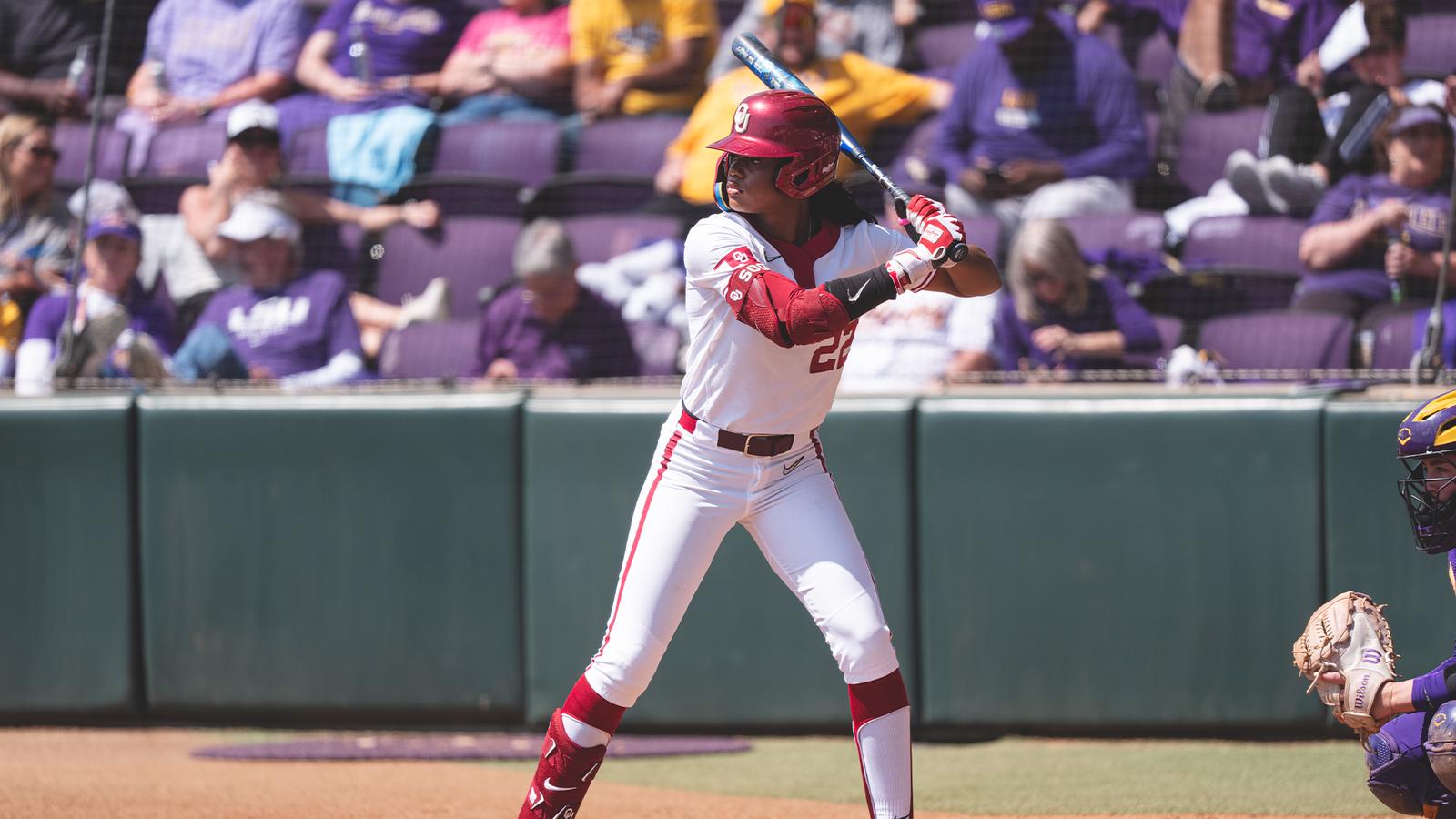
The No. 5 Oklahoma Sooners’ formidable 22-game winning streak has been snapped by the No. 20 LSU Tigers. The series opener, a hard-fought 3-2 victory in eight innings for LSU, showcased the competitive depth of the Southeastern Conference and the execution required to defeat elite programs.
LSU’s success in stifling Oklahoma’s offense for six scoreless innings was a testament to their strategic game plan and standout pitching. Cece Cellura’s 7.0 innings, allowing only three runs on ten hits with no walks, demonstrated command and resilience capable of neutralizing powerful lineups. This sustained defensive pressure disrupted Oklahoma’s rhythm, forcing critical errors and rushed decisions.
The termination of Oklahoma’s lengthy streak, particularly in a close, late-inning contest, exposes vulnerabilities and necessitates a strategic recalibration. A 22-game winning streak signifies peak performance and psychological advantage; its end prompts an evaluation of confidence and strategy for both players and coaching staff.
Pitching Duels and Offensive Prowess Define the Series
In the decisive second game, LSU secured a 3-1 victory, officially ending Oklahoma’s streak. Jayden Heavener delivered a complete-game gem, limiting the Sooners to just two hits. Her control and ability to manage baserunners provided the offensive stability needed for the win.
LSU’s offense capitalized on early opportunities, scoring in the first inning via free passes. The pivotal moment came in the fourth when Kylee Edwards’ two-run home run provided an insurmountable lead. This illustrates the impact of timely hitting in low-scoring games.
The offensive contrast between the two games highlighted LSU’s strategic advantage. Their ability to manufacture runs through disciplined at-bats and decisive power hitting contrasted with Oklahoma’s offensive struggles, underscoring the fine margins in collegiate softball where single plays can determine outcomes.
Strategic Implications and Program Impact
For LSU, these victories represent a significant boost in conference standing and national perception. Defeating a top-ranked opponent provides a crucial psychological edge and signals their capability to compete at the highest level, potentially influencing recruiting and postseason seeding.
Oklahoma faces the challenge of responding to adversity. A championship-caliber team’s ability to rebound from a rare setback is a defining characteristic. This series outcome will likely prompt an internal review of strategies and player performance, particularly against SEC opponents who have now demonstrated a pathway to success.
The broader impact extends to the SEC’s competitive landscape. LSU’s success challenges the established hierarchy, injecting renewed interest into the conference race and providing valuable insights for analysts and fans into team dynamics and coaching strategies.
Performance Leverage and Operational Execution
Cece Cellura’s performance in the series opener exemplifies performance leverage, where individual execution directly impacts team outcomes. Her sustained effectiveness against a potent offense provided a defensive foundation, a critical asset that can swing momentum.
Jayden Heavener’s complete-game performance further illustrates this point, showcasing an effective approach focused on control and limiting hits, which enabled her offense to secure the win. The statistical differences in pitching effectiveness directly correlate with game outcomes.
LSU’s offensive execution, highlighted by Edwards’ home run, underscores the importance of capitalizing on scoring opportunities. In games where runs are scarce, timely hitting provides the decisive advantage, emphasizing the operational imperative for hitters to be disciplined and productive at the plate.
Competitive Positioning and Stakeholder Value
While direct capital movement isn’t detailed, successful programs like LSU and Oklahoma drive indirect financial benefits. Strong performances attract investment through ticket sales, merchandise, and media rights. LSU’s victories can enhance their appeal to sponsors and donors, potentially increasing revenue streams.
Conversely, sustained dominance, even with a recent loss, solidifies Oklahoma’s brand. However, repeated defeats could prompt a reassessment of broadcast deals and sponsorship values. The competitive positioning of both programs is continuously influenced by on-field results, impacting their ability to attract talent and secure partnerships.
The SEC benefits from high-profile matchups and competitive intensity, drawing larger audiences and potentially increasing media rights valuations. The economic health of collegiate athletics is intrinsically linked to the success and appeal of its premier programs.
Downstream Effects on Media and Fan Engagement
The end of Oklahoma’s 22-game streak generates significant media attention, providing compelling content for journalists and broadcasters. The narrative of an underdog triumphing over a dominant force drives viewership and engagement across platforms, underscoring the commercial value of such events.
Fan engagement is directly impacted. For LSU supporters, these wins are a source of pride, potentially increasing attendance and merchandise sales. For Oklahoma fans, the loss, while disappointing, can foster resilience and anticipation for the team’s response, maintaining a dedicated following.
The strategic decisions made during these critical games become talking points for analysts and fans, influencing perceptions of coaching acumen and player development, fueling ongoing interest in collegiate softball.
Institutional Strategy and Long-Term Trajectory
For LSU, this success can be viewed as the culmination of consistent investment in program infrastructure, coaching, and recruitment. Head Coach Beth Torina’s comments suggest a strong belief in the program’s long-term development and strategic direction.
Oklahoma’s institutional strategy has historically focused on building a dynasty through sustained excellence. While this loss is a deviation, their established track record suggests a robust system capable of adapting. The coaching staff’s ability to manage morale and strategic adjustments post-loss will be a key indicator of their long-term institutional strength.
The competitive SEC environment necessitates continuous strategic adaptation. Teams must evolve game plans, player development, and recruitment to remain at the forefront. Series outcomes inform future strategic planning, influencing resource allocation and the vision for program sustainability.
Competitive Dynamics and Future Implications
This series establishes LSU as a genuine challenger to Oklahoma, shifting the perceived balance of power within the conference and creating a more unpredictable league race.
The implications for the postseason are significant. Both teams are likely national championship contenders, and their performance against each other provides valuable data for seeding committees. LSU’s key wins enhance their resume, while Oklahoma’s resilience will be closely monitored.
Ultimately, this series underscores the depth and competitiveness of collegiate softball. The ability of teams to execute under pressure, adapt, and overcome elite opponents defines championship-caliber programs. Lessons learned will shape the strategic decisions and performance trajectories for both LSU and Oklahoma.