MLB Broadcast Realignment Creates Viewing Friction for Giants-Phillies Series
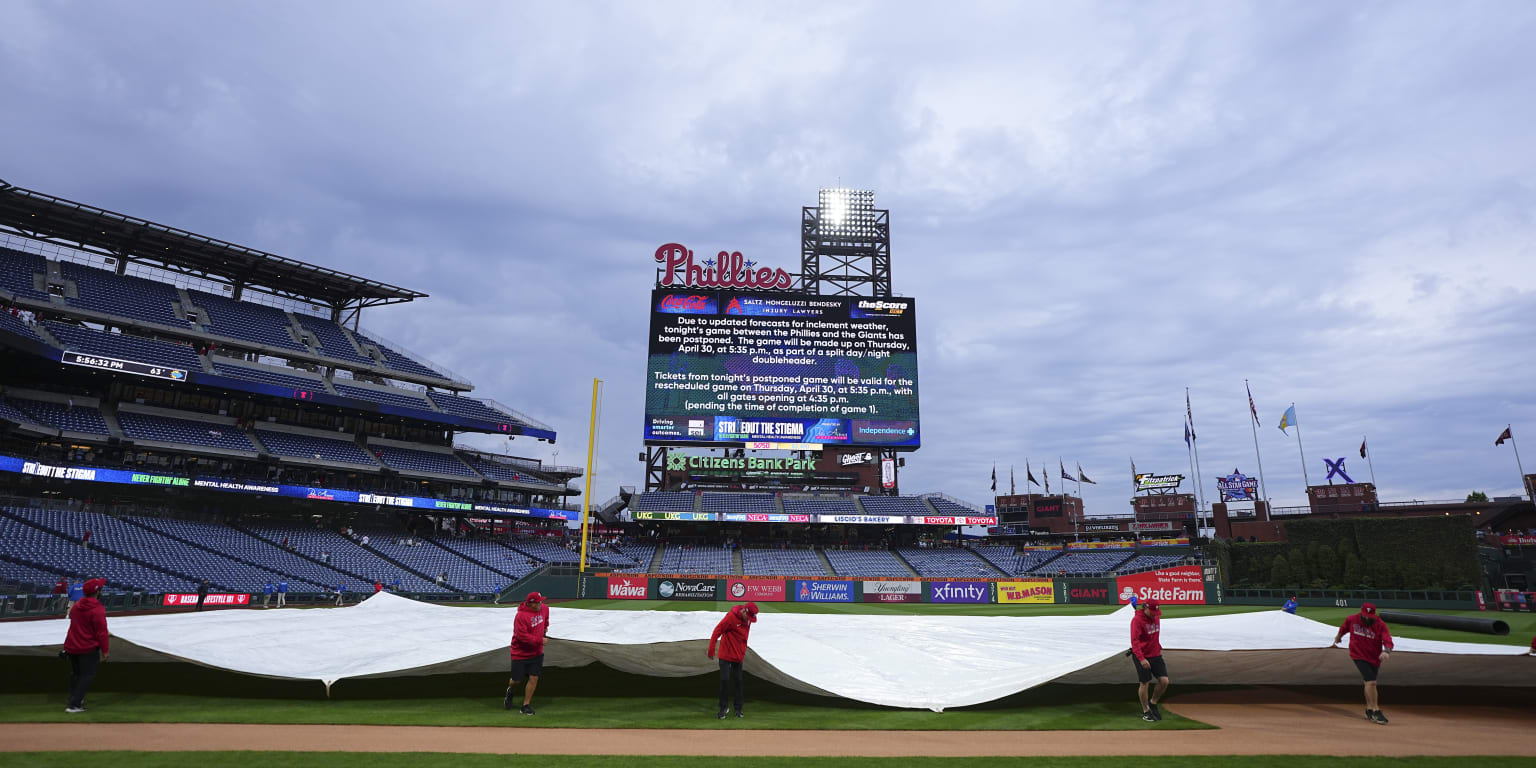
Major League Baseball’s recent broadcast production shifts and schedule adjustments, exemplified by the San Francisco Giants vs. Philadelphia Phillies game’s postponement and rescheduling, highlight a significant industry transformation impacting fan access. The April 30th matchup, moved from Wednesday evening to a Thursday split doubleheader due to weather, underscores the intricate logistical demands of modern sports broadcasting.
This situation exposes the increasing complexity in MLB game distribution, a trend amplified by the league’s strategic decision to take direct control of production for a substantial portion of its broadcasts. This move directly affects viewer access, necessitating identification of specific channels like MLB Network, NBC Sports Bay Area, and NBC Sports Philadelphia, alongside streaming services such as MLB.TV on Fubo.
The implications are far-reaching, potentially leading to viewership fragmentation and intensifying pressure on Regional Sports Networks (RSNs) to retain subscribers amidst evolving distribution paradigms. Fans accustomed to established viewing habits face a steeper learning curve, risking decreased engagement if accessing games becomes overly cumbersome.
Operational Shifts in Weather-Delayed Scheduling
The postponement of the Wednesday night game, despite early attempts to mitigate weather impacts, demonstrates the persistent operational challenges posed by environmental factors. The decision to reschedule as a split doubleheader on Thursday, April 30th, required intricate logistical planning for both teams and broadcast partners, affecting player availability and pitching rotations.
Logan Webb was moved to start Game 1 for the Giants, while the Game 2 starter remained TBD, potentially utilizing Adrian Houser or a bullpen approach leveraging the expanded 27-man roster for doubleheaders. For the Phillies, Cristopher Sánchez was slated to start the matinee, with Andrew Painter’s role in the series finale becoming uncertain due to the condensed schedule. These pitching adjustments are critical for managing player workload and competitive positioning.
Strategic Implications of League-Produced Broadcasts
MLB’s expanding role in producing its own broadcasts signifies a strategic pivot toward greater control over content, monetization, and distribution. This challenges the traditional RSN model, which has long served as the primary conduit for live games and a significant revenue driver through carriage fees and advertising.
By producing approximately one-third of league broadcasts, MLB aims to streamline operations, potentially reduce costs, and ensure a more standardized viewing experience across markets. However, this introduces complexity for viewers who must navigate a more diverse array of broadcast rights and platforms, as seen with the Giants-Phillies game requiring specific regional network access.
The financial implications are substantial. MLB seeks to capture a larger share of the broadcast value chain, potentially driving investment in production quality and technology. This places increased pressure on RSNs to adapt their business models and renegotiate carriage agreements, impacting their long-term viability.
Fan Engagement and Market Dynamics
The evolving broadcast landscape directly influences fan engagement. Difficulty in locating games or the need for multiple subscriptions can lead to disengagement from casual fans, while dedicated supporters face challenges staying connected. Franchises like the Giants and Phillies have a vested interest in maintaining strong fan bases through clear communication and accessible viewing options.
This shift also impacts the market positioning of RSNs. Those that successfully integrate league-produced content and offer flexible viewing solutions will likely retain their competitive edge. Platforms like Fubo, which aggregate services like MLB.TV, highlight the growing importance of accessibility in the sports media market.
Downstream Effects on Media Rights and Investment
MLB’s direct production efforts have significant downstream effects on the broader media rights market. Increased production control allows the league to potentially command higher rights fees in future negotiations and explore new direct-to-consumer (DTC) models. This strategy influences how other sports leagues and media companies approach broadcast strategies, potentially setting precedents for industry-wide shifts in content creation and distribution.
The increased reliance on digital streaming platforms signals a broader trend toward cord-cutting. This necessitates substantial investment in streaming infrastructure and content delivery networks to ensure a seamless fan experience, impacting investment decisions by media conglomerates and technology companies.
Competitive Landscape for RSNs and Broadcasters
MLB’s increased in-house production directly alters the competitive landscape for RSNs, challenging their historically unique selling proposition of exclusive broadcast rights. NBC Sports Bay Area and NBC Sports Philadelphia must integrate league-produced content while offering unique programming to retain subscribers. National broadcasters like MLB Network also face a dynamic where the league is a competitor for inventory and advertising revenue.
Capital Movement and Investment Strategies
The shift toward league-produced broadcasts redirects capital within the sports media industry. Investment is increasingly flowing towards technology and infrastructure supporting digital content delivery. Companies effectively aggregating desirable content, like Fubo, may benefit, while traditional media companies slow to adapt their digital strategies risk capital devaluation as viewership migrates online. MLB’s own capital allocation towards production facilities, personnel, and technology will be critical for the success of its strategy.
Performance Leverage and Future Trajectories
MLB’s performance leverage in this new model lies in its enhanced ability to control intellectual property and optimize revenue streams through direct production management, including advertising sales, subscription models, and viewership analytics. The long-term trajectory for RSNs depends on their adaptability, partnerships with leagues, and development of innovative viewing experiences. For fans, accessibility and broadcast quality are the key performance metrics; improvements could boost engagement, while continued fragmentation risks declining viewership.
Institutional Responses and Industry Adaptation
The institutional response to MLB’s broadcast strategy is shaping the future of sports media. RSNs face pressure to innovate through mergers, acquisitions, or DTC offerings. Technology providers are crucial for developing seamless streaming and interactive viewing platforms. The success of this ecosystem hinges on cross-institutional collaboration and adaptation. Franchises like the Phillies and Giants are navigating this by ensuring game availability and monitoring fan impact, making adaptation to new distribution models key to their sustained success.
Cultural Impact on Sports Consumption
The move toward league-produced broadcasts and digital distribution reflects a profound cultural shift in sports consumption, aligning with on-demand content and personalized experiences. MLB’s strategy targets evolving habits of younger generations, less tethered to traditional TV, ensuring the sport’s relevance. This shift also elevates the importance of digital content creation, social media engagement, and interactive viewing experiences in building team and league brands.
Structural Transformation in Sports Broadcasting
The Giants-Phillies broadcast situation and MLB’s broader production strategy signal a fundamental structural transformation in sports broadcasting. Leagues are challenging the traditional gatekeeper role of RSNs, seeking greater control and direct audience engagement, driven by technology, changing consumer behavior, and new revenue pursuits. This will likely result in a more dynamic and fragmented media landscape, prioritizing innovation and adaptability. Navigating this new structure effectively will be critical for franchises like the Phillies and Giants to ensure their games reach fans and capitalize on evolving distribution channels.