Antonelli’s Ascendancy Reshapes Mercedes’ Competitive Landscape at Suzuka
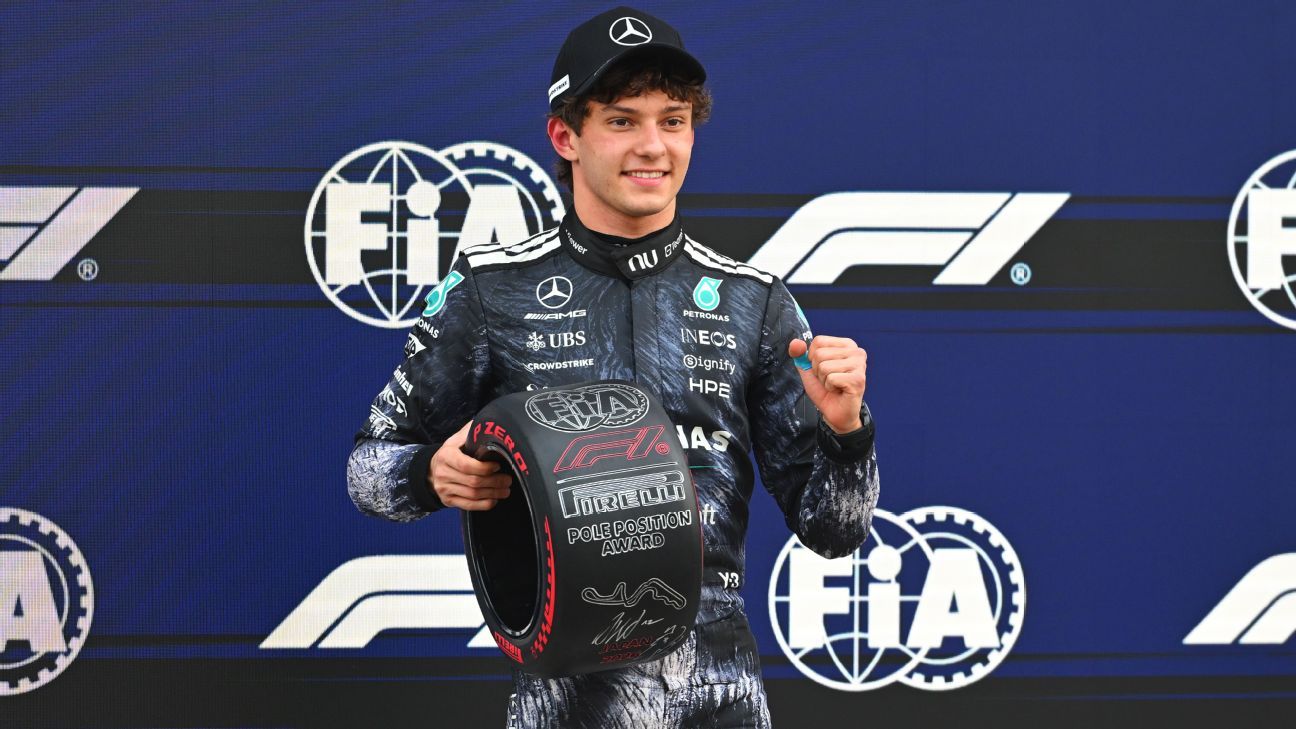
Kimi Antonelli’s commanding pole position at the Japanese Grand Prix, his second consecutive after Shanghai, marks a pivotal shift in Mercedes’ internal Formula 1 dynamics. This consistent front-running pace, culminating in a 0.298-second advantage over teammate George Russell at Suzuka, firmly establishes Antonelli as a formidable challenger. His recent maiden victory further solidifies his emerging status, profoundly influencing the team’s internal championship narrative and raising questions about the established pecking order.
Strategic Missteps and Operational Challenges for Russell
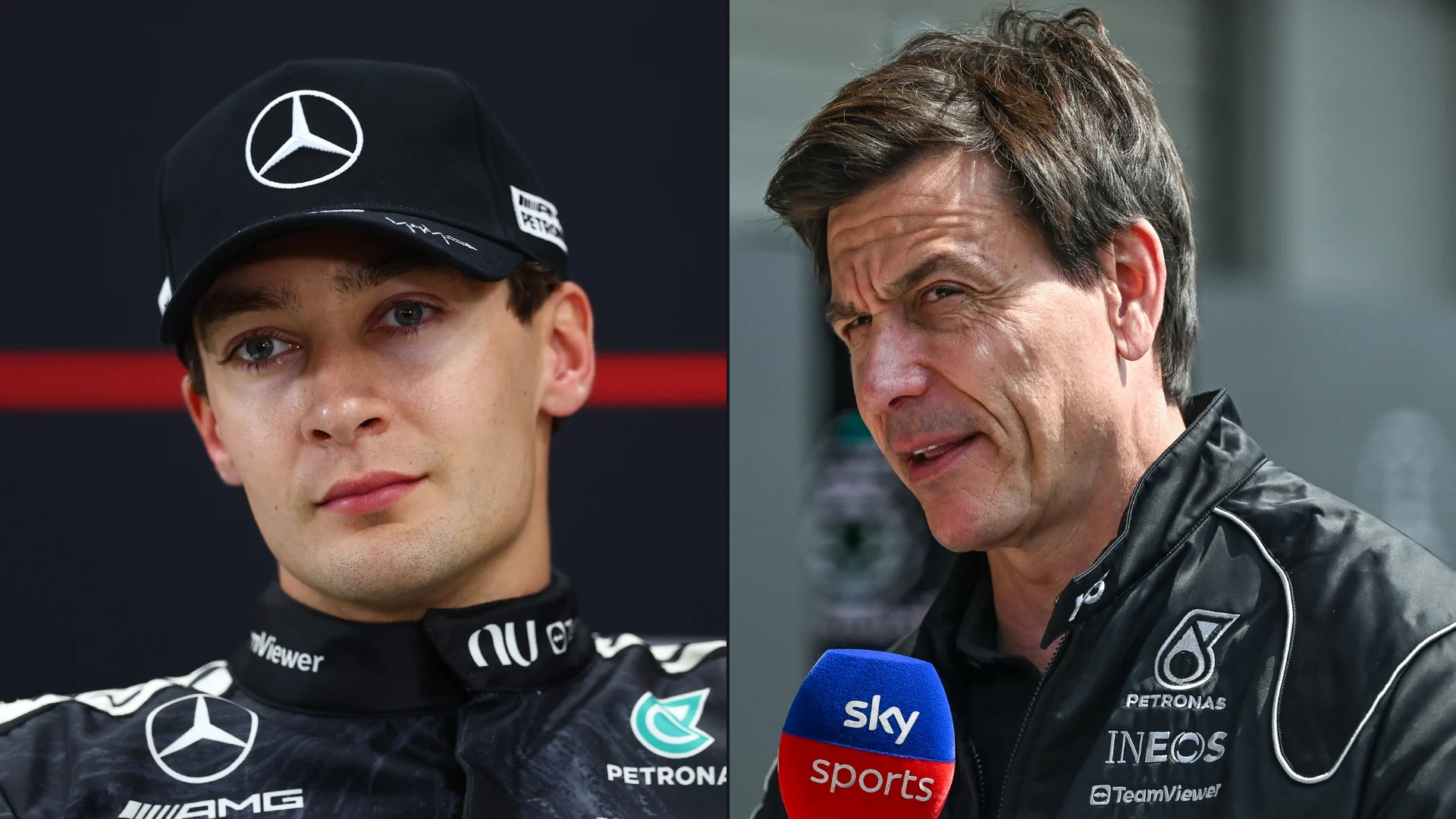
George Russell’s qualifying in Japan was compromised by what Team Principal Toto Wolff termed a “disadvantage,” attributing it to a “small adjustment” in the car’s rear suspension. This operational decision, intended for performance optimization, inadvertently worsened the vehicle’s balance, directly hindering Russell’s capacity to match Antonelli’s pace. In the high-stakes engineering environment of Formula 1, such marginal setup changes can have cascading effects, impacting not only immediate lap times but also driver confidence, tire degradation, and overall race pace. The suboptimal configuration for Suzuka’s demanding circuit placed Russell in a compromised race start position, despite securing second place. This performance gap against an ascendant teammate like Antonelli introduces significant competitive intensity, potentially reshaping internal team hierarchies and future strategic planning.
The Unpredictable Impact of Safety Car Deployments
The early deployment of the safety car at the Japanese Grand Prix, triggered by Oliver Bearman’s high-speed crash, dramatically reshaped the race’s strategic landscape. George Russell’s unfortunate timing, having pitted just prior to the safety car’s activation, epitomized the critical interplay of circumstance and strategic execution in Formula 1. Safety car periods compel immediate, high-pressure decisions regarding pit stops, tire compounds, and track position. Russell’s pre-neutralisation stop meant a loss of track advantage compared to competitors who could then pit under reduced time loss. This scenario underscores the constant operational vigilance required from strategists, who must anticipate such events amidst evolving race dynamics, weather, and rival positions. The financial and championship point implications are substantial, as lost track position directly impacts team earnings. Conversely, this incident created opportunistic gains for drivers like Liam Lawson and Gabriel Bortoleto, who ascended into the top 10, and Pierre Gasly, who maintained his seventh spot, illustrating how external factors can profoundly alter race outcomes.
Internal Mercedes Rivalry and Championship Implications
Kimi Antonelli’s back-to-back pole positions, especially his dominant qualifying performance over George Russell at Suzuka, serve as a potent championship signal. Despite Russell’s narrow four-point lead, Antonelli’s recent victory in China and sustained qualifying pace suggest a significant acceleration in his competitive trajectory. This burgeoning internal Mercedes rivalry presents a duality: while intense competition can elevate both drivers’ performance and benefit constructor championship aspirations, it also demands astute team management to prevent friction and maintain cohesion. The narrative of an ascendant talent challenging an an established team leader is a perennial F1 theme. Antonelli’s ability to “outgun” Russell’s “pure pace” in qualifying, notably after Russell’s earlier Q3 technical issues, points to a fundamental speed advantage in specific conditions, implying a shift beyond mere circumstantial performance.
The Broader Competitive Landscape and Stakeholder Exposure
Beyond Mercedes’ internal dynamics, Suzuka highlighted the broader competitive intensity of the Formula 1 season. Oscar Piastri secured third for McLaren, with Charles Leclerc (Ferrari) fourth, and Lando Norris fifth, underscoring the tight margins among top constructors. Max Verstappen’s unusual 11th-place start further demonstrated the unpredictable nature of qualifying and the evolving competitive balance. Such performance fluctuations among leading drivers and teams significantly influence media coverage, fan engagement, and sponsor interest. Individual driver performance directly impacts marketability and future contract negotiations, exposing them to reputational gains or pressures. For teams, consistent high-level performance is crucial for attracting and retaining lucrative sponsorships, a vital component of operational budgets. The championship battle, now enriched by the internal Mercedes dynamic alongside external challenges from McLaren and Ferrari, elevates the strategic importance of every race weekend for stakeholders, including team owners, investors, and commercial partners, who closely monitor these developments for financial and brand implications.
Driver Safety and Incident Management Protocols
Oliver Bearman’s high-speed crash, necessitating the safety car, served as a stark reminder of motorsport’s inherent risks. While initially redirecting race strategy, the incident primarily activated critical safety protocols, ensuring prompt medical attention. British racing driver Alice Powell’s commentary regarding Bearman’s potential ankle injury provided immediate insight into the impact’s aftermath, highlighting the robust, continuously evolving medical response systems inherent in Formula 1. These systems encompass advanced car design, crash structures, trackside medical teams, and rapid intervention vehicles. The swift, organized response to Bearman’s accident—including efficient debris clearance and barrier repairs—is a testament to Formula 1’s mature institutional frameworks. Such operational readiness is fundamental not only to driver protection but also to maintaining the integrity and continuity of the competition, even under high-stress circumstances.
Leadership and Narrative Management in High-Pressure Environments
Toto Wolff’s public statements regarding George Russell’s “disadvantage” and his encouragement to “keep his chin up” exemplify the multifaceted role of a Formula 1 team principal. Beyond strategic and operational oversight, Wolff strategically manages team morale, public perception, and internal expectations. In a sport under constant scrutiny, a principal’s ability to transparently articulate challenges while simultaneously motivating drivers is paramount. Wolff’s explanation to Sky Sports F1 provided crucial context for Russell’s struggles, actively shaping the media narrative and guiding stakeholder understanding of the team’s performance. The “buzzing” Mercedes team radio, capturing Russell’s evident frustration, further underscores the immense pressure drivers face and the immediate, critical communication required between driver and pit wall for problem-solving, strategic adjustments, and maintaining composure during high-stakes moments. Effective internal and external communication is a cornerstone of successful F1 team management, influencing sponsor relations, fan loyalty, and brand integrity.
Evolving Championship Dynamics and Future Strategic Imperatives
The events at Suzuka, marked by Antonelli’s sustained high performance and Russell’s operational challenges, significantly influence the trajectory of the Formula 1 season. The emergence of a defined internal rivalry at Mercedes adds a compelling layer to the championship battle, impacting both driver and constructor standings. Mercedes’ strategic imperative now shifts to optimizing both cars while astutely managing the competitive tension between its drivers to maximize overall team performance. Future decisions on car development, resource allocation, and driver contracts will be heavily influenced by these unfolding dynamics. Commercially, a highly competitive team with multiple front-running drivers attracts heightened media attention and sponsorship opportunities. Conversely, unmanaged internal friction or persistent performance disparities could jeopardize team cohesion and brand perception. As the season progresses, the intricate interplay between individual driver excellence, team strategy, and external competitive pressures will define the championship outcome, with Suzuka serving as a vivid illustration of these complex forces at play.