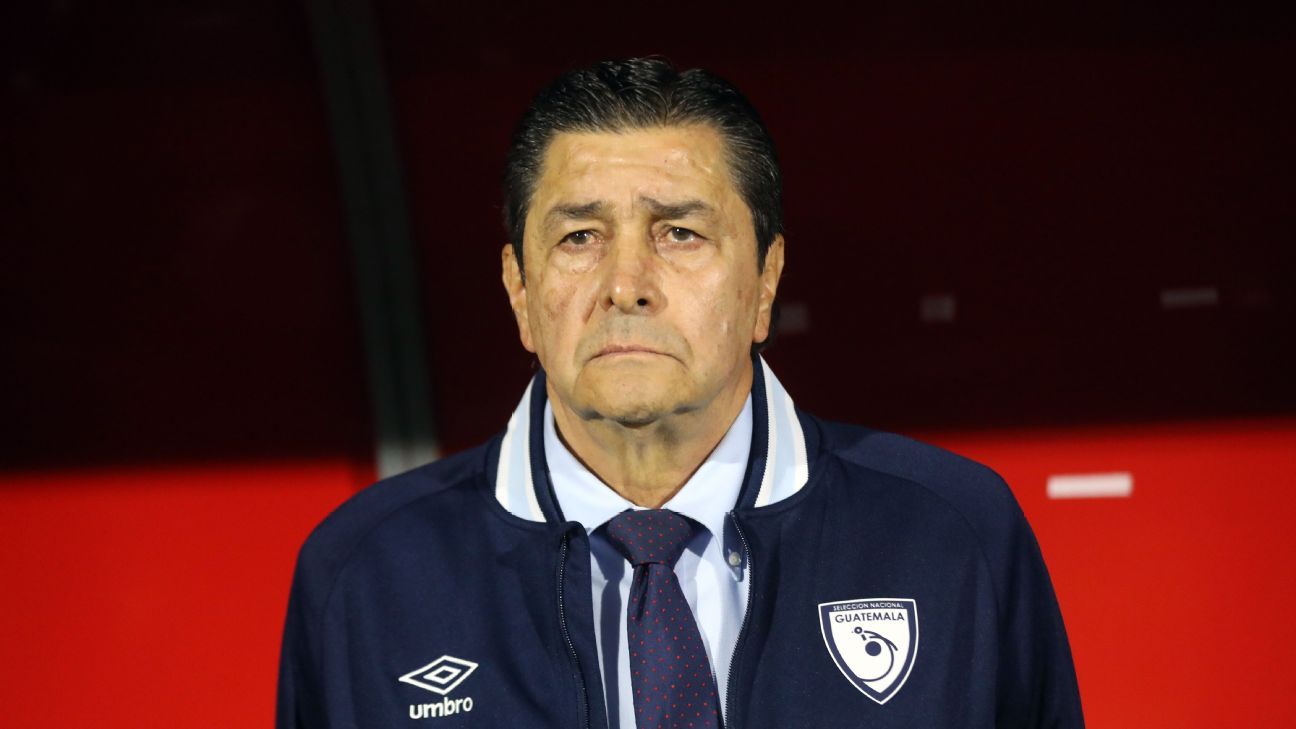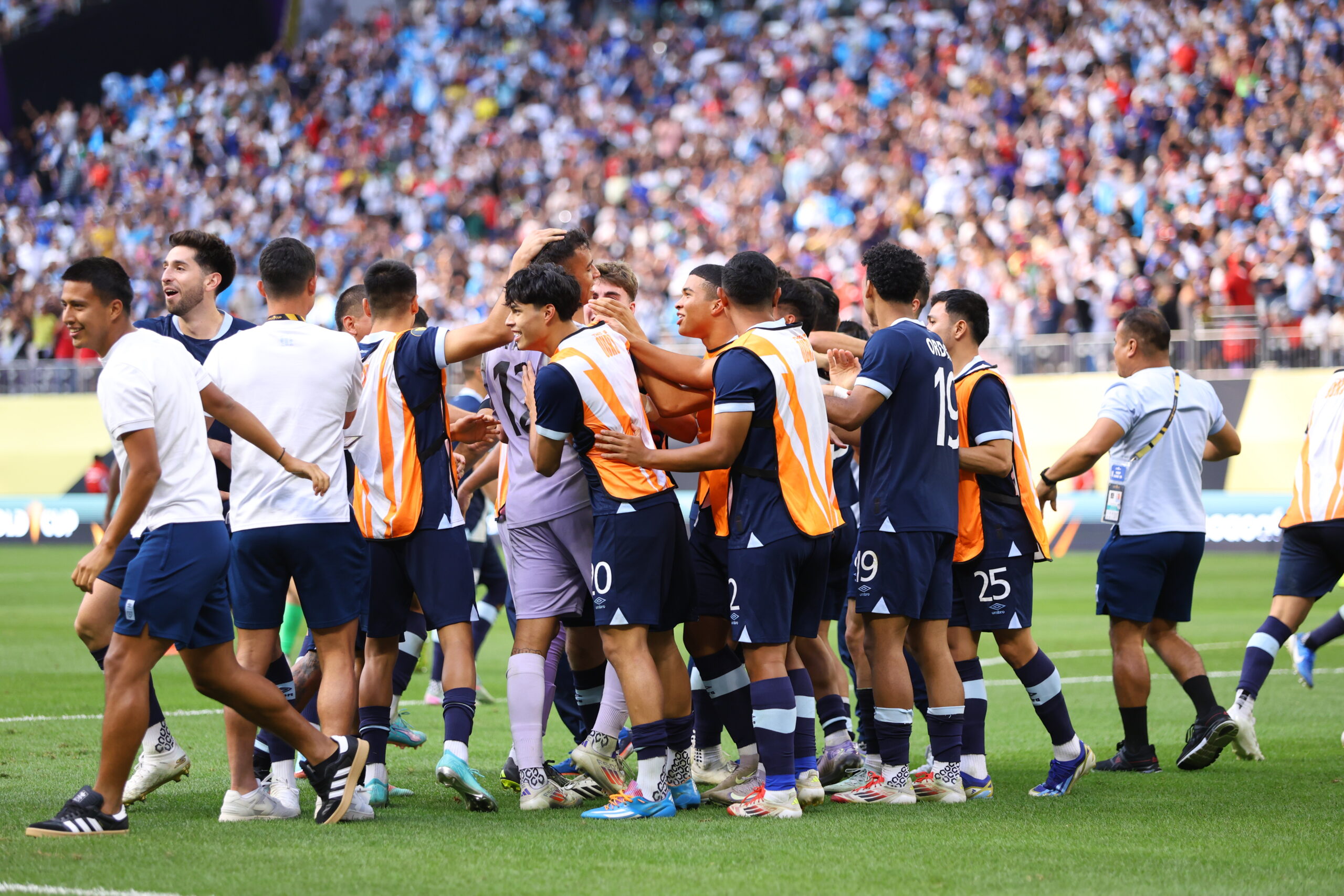
The international fixture between Guatemala and Algeria at the Stadio Luigi Ferraris in Genoa serves as a pivotal diagnostic for the National Federation (Fedefut). Beyond the tactical display, the match represents a high-stakes assessment of the federation’s operational redundancy in the forced absence of head coach Luis Fernando Tena. This leadership transition, necessitated by Tena’s post-surgical recovery and subsequent medical complications, has activated a succession protocol designed to maintain technical momentum during a critical FIFA window.
Institutional Hedging and the 2030 Mandate
Gerardo Paiz, President of Fedefut, has leveraged this interim period to solidify the project’s institutional standing. By formally announcing a four-year contract renewal for Tena, the federation has signaled a decisive shift away from the reactionary coaching cycles that historically plagued Central American football. This strategic insulation ensures the 2030 World Cup qualification cycle remains the primary objective, decoupling long-term technical growth from the volatility of individual friendly results.
This commitment acts as a stabilizing mechanism for the 21-player squad. By removing the ‘lame duck’ uncertainty often associated with a head coach’s medical leave, Fedefut has prioritized methodology over personality. The renewal is an investment in a specific technical philosophy intended to bridge the chasm between regional dominance and global competitiveness, ensuring systemic continuity despite the vacancy on the sideline.
Operational Fidelity under Salvador Reyes
Salvador “Chava” Reyes assumes the managerial mantle in Genoa, not as a mere placeholder, but as the primary executor of an established tactical framework. This match provides a case study in systemic fidelity; Reyes’s challenge is to maintain tactical discipline against a World Cup-caliber Algerian side. The ability of the coaching staff to function autonomously serves as a validation of the technical structure built under the Tena administration.
From a strategic standpoint, Reyes must manage the squad’s transition to a high-intensity European environment. The logistical burden of coordinating a 21-man roster in Italy, combined with the pressure of a neutral-site fixture, tests the federation’s internal protocols. This interim period is a deliberate stress test of the federation’s ability to manage unforeseen human capital contingencies without compromising performance standards.
Global Benchmarking: Tactical Dissonance against CAF Powerhouses
Selecting Algeria as an opponent reflects a conscious effort to diversify Guatemala’s competitive profile. Facing a top-tier African side—a rarity for the “Azul y Blanco” over the last decade—forces the squad to adapt to a style defined by rapid physical transitions and technical speed. This encounter moves the team beyond the familiar tactical patterns of CONCACAF, providing a performance audit against an elite global standard.
As a 2026 World Cup-bound team, Algeria represents a significant benchmark for Guatemalan progress. The fixture in Genoa is a platform to evaluate the squad’s capacity to compete outside its traditional geographic comfort zone. The data harvested from this match will inform the technical staff on how their current defensive and offensive structures hold up against the specific physical demands of the African game.
Strategic Brand Internationalization in Genoa
The choice of Genoa as a neutral venue underscores a sophisticated shift in Fedefut’s commercial and sporting strategy. By moving operations to a historic European stadium, the federation is seeking to enhance the global brand equity of the national team. This tour serves as a logistical rehearsal for future elite engagements, testing the federation’s capacity to execute high-level operations on a different continent.
Playing at the Luigi Ferraris provides the roster with psychological and professional exposure to the environments of major international tournaments. This acclimation is essential for a squad targeting the 2030 horizon. The neutral setting eliminates the home-field variable, forcing a reliance on pure tactical execution and individual resilience.
Risk Mitigation and Technical Depth
The medical complications faced by Tena highlight the inherent risks of a centralized leadership model. Fedefut’s response—reaffirming its long-term commitment while empowering the assistant staff—demonstrates an advanced approach to risk management. This strategy prioritizes the health of the institution over the presence of any single individual, ensuring that the roadmap to 2030 remains uninterrupted by physical or medical variables.
The 21-player roster reflects a balance of veteran experience and emerging prospects. In Tena’s absence, the squad’s internal leadership is under scrutiny. Players are tasked with upholding a tactical identity that must now be self-sustaining. This period of interim management provides the technical board with critical insights into which players possess the psychological maturity to thrive under shifting command structures.
Conclusion: The 2030 Strategic Roadmap
As the Genoa fixture concludes, the federation will enter a phase of technical synthesis. The data acquired against Algeria will be integrated into the broader strategic plan for the 2030 cycle. The eventual return of Luis Fernando Tena will be bolstered by the lessons learned during this period of operational independence. By maintaining a clear focus on long-term stability, Fedefut has ensured that the momentum of the “Azul y Blanco” continues to build toward its ultimate objective: global qualification.