Institutional Trust and the Scaling of Auteurist Vision
The transition of David Robert Mitchell from independent filmmaker to studio-backed director marks a pivotal shift in contemporary cinema. Following the success of It Follows and Under the Silver Lake, Mitchell’s move to a Warner Bros. budget signifies deep institutional trust in his specific brand of genre subversion. This evolution suggests a strategic willingness by major studios to invest in original, non-franchise intellectual property when anchored by a director with a distinct visual identity and a proven track record of critical engagement.
The Bad Robot Alliance: Risk Mitigation and Marketing Scarcity
Securing the backing of J.J. Abrams’ Bad Robot provides Mitchell with a production infrastructure capable of executing high-concept narratives with significant technical complexity. This partnership utilizes the ‘mystery box’ marketing strategy—a tactic that leverages information scarcity to cultivate organic audience anticipation. Financially, the involvement of Bad Robot serves as a risk-mitigation layer for Warner Bros., ensuring that an original screenplay is delivered with the technical polish required for a global theatrical release.
Demographic Leverage: The Hathaway-McGregor Casting Strategy
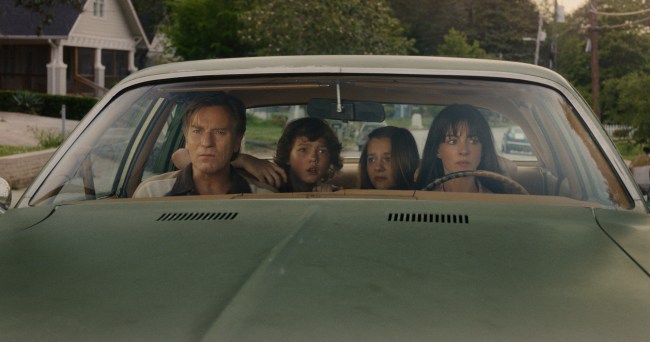
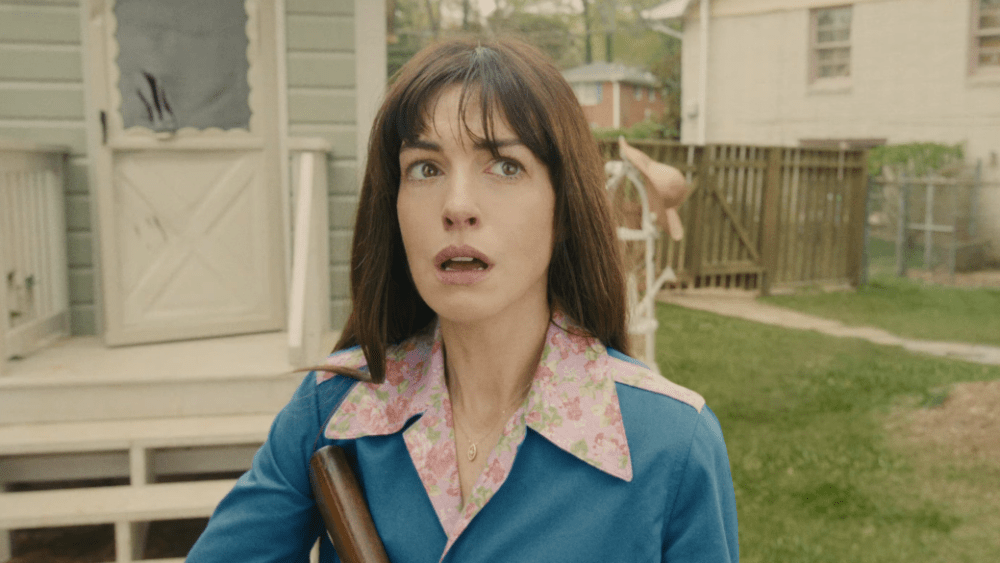
The selection of Anne Hathaway and Ewan McGregor as the central leads provides the project with substantial demographic reach. Hathaway’s dramatic gravitas grounds the film’s more surreal elements, such as the reported presence of prehistoric creatures, while McGregor’s experience across both massive franchises and intimate dramas offers a stabilizing presence. This casting strategy is critical for an original sci-fi project, providing a recognizable human element that can compete against the established brand equity of existing cinematic universes.
Narrative Architecture: Domestic Drama Meets Cosmic Displacement
The premise—a mysterious cosmic event displacing a suburban neighborhood—serves as a narrative catalyst to explore themes of family cohesion and institutional collapse. By physically uprooting a familiar setting, Mitchell utilizes the ‘fish out of water’ trope on a community-wide scale. This structural choice enables complex world-building while maintaining an emotional focus on the Platt family, ensuring that the spectacle remains tethered to human stakes.
Technical Pedigree and Visual Aesthetic
The recruitment of cinematographer Michael Gioulakis and production designer Maya Shi ensures a sophisticated visual continuity. Gioulakis, known for the wide-angle tension of Mitchell’s previous works, is tasked with maintaining an auteurist aesthetic within a high-budget framework. The contrast between familiar suburban vestiges and an ‘unrecognizable’ environment is central to the film’s immersive quality, distinguishing it from the generic visual language often found in summer blockbusters.
Competitive Differentiation: Genre Hybridization
The integration of dinosaurs within a contemporary suburban sci-fi framework represents a bold genre hybridization. While dinosaurs are traditionally associated with established monster franchises, their placement in a cosmic displacement narrative offers a fresh perspective. This creative choice serves as a primary competitive differentiator, subverting audience expectations by merging domestic survival with high-concept adventure.
Seasonal Positioning and Market Viability
The August 14 release date is a strategic move to capture the late-summer audience during the ‘shoulder season’ between peak blockbusters and fall prestige films. For Warner Bros. Discovery, the film serves as a test case for the viability of high-budget original IP in an industry often dominated by sequels. Its performance will be a key indicator of audience appetite for visionary genre storytelling and the potential for a new, director-driven production model.