Midwest Storm Volatility Exposes Systemic Risk to Aviation, Sports, and Supply Chains
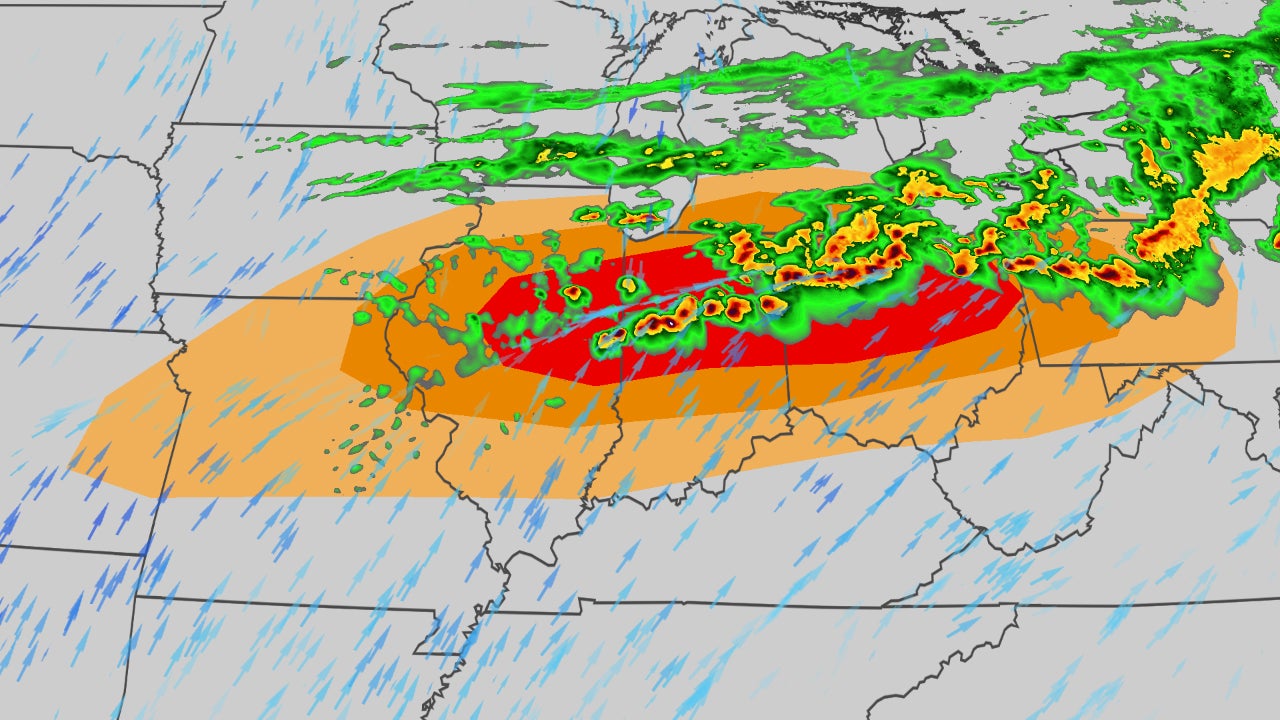
A round of severe thunderstorms moving through the Midwest exposed critical operational vulnerabilities across key economic sectors, triggering widespread disruptions in aviation logistics and threatening major sporting events. These incidents, which included extensive ground stops at O’Hare International Airport and potential cancellation of the Chicago Cubs home opener, underscore the increasing financial and strategic risks associated with extreme weather volatility in major metropolitan hubs.
The severity of the weather, characterized by damaging winds and large hail, forced immediate and reactive operational adjustments across transportation networks and large-scale public gatherings. The specific challenges faced by O’Hare and the Cubs organization highlight a broader pattern of systemic exposure where critical infrastructure and high-value commercial activities intersect with unpredictable climate events. The source data notes that the severe weather was fueled by record heat for late March, introducing a new layer of complexity for long-term strategic planning in aviation and event management.
Aviation Logistics and Systemic Risk Exposure
The operational impact of the severe weather was immediately evident in the aviation sector, with O’Hare International Airport implementing multiple ground stops and delays throughout the afternoon and evening. The initial ground stop, issued at 5:19 p.m., was subsequently extended, culminating in a ground delay that stretched until midnight. This sequence of actions illustrates the cascading effect of severe weather on air traffic control and airline operations at one of the nation’s busiest hubs.
O’Hare’s role as a primary hub for major carriers like United and American Airlines means that disruptions here quickly propagate across the entire national air traffic network. A ground stop at O’Hare is not merely a local inconvenience; it forces a strategic re-evaluation of flight paths, crew scheduling, and passenger connections across the continent. The financial implications for airlines include increased fuel costs from holding patterns, potential compensation payouts for extended delays, and significant logistical expenses associated with rebooking thousands of passengers.
The decision to implement a ground delay until midnight, rather than a shorter stop, reflects the severity of the forecast and the need for air traffic control to manage a complex recovery phase. This strategic decision prioritizes safety and system stability over immediate throughput, but it creates a substantial operational backlog that can take days to resolve fully. The competitive landscape for airlines is directly impacted by their ability to manage these disruptions efficiently, with carriers demonstrating greater operational resilience gaining a strategic advantage in customer satisfaction and cost control.
Sports Economics and Event Risk Management
The threat posed to the Chicago Cubs home opener against the Washington Nationals highlights the significant financial and liability risks inherent in managing large-scale public events. The game, scheduled to begin at 1:20 p.m., faced potential cancellation due to predicted severe weather, including hail potentially exceeding two inches in diameter and winds up to 60 mph. The National Weather Service meteorologist explicitly warned that large open spaces like sports fields are particularly dangerous during such events.
For professional sports organizations, the home opener represents a critical revenue event, encompassing ticket sales, concessions, merchandise, and broadcast rights. A cancellation or delay impacts these revenue streams directly, potentially requiring refunds or complex rescheduling logistics. The financial exposure extends beyond the game itself; the meteorologist’s warning about hail damage to cars and property introduces significant liability considerations for the venue operator and surrounding businesses.
The strategic decision-making process for event cancellation involves balancing fan safety, financial considerations, and contractual obligations with broadcast partners. The specific threat of two-inch hail, described as capable of causing injury and property damage, elevates the risk profile significantly. Event organizers must rely on precise meteorological data and established protocols to make timely decisions, often under intense public scrutiny and financial pressure. The broader insurance implications for both individual attendees and the venue itself are substantial, with event cancellation insurance policies often requiring specific triggers related to weather severity or official warnings to mitigate financial losses.
Infrastructure Vulnerability and Supply Chain Disruption
Beyond the major metropolitan hubs, the severe weather caused tangible infrastructure damage and supply chain disruptions across the Midwest. The source documents specific incidents, including a semi truck being blown over on US-30 in Ohio and a garage roof being blown off in Indiana. These localized events illustrate the vulnerability of transportation networks and property to high winds and severe storms.
The disruption of a major thoroughfare like US-30, even temporarily, has immediate downstream effects on regional supply chains. The movement of goods and materials relies heavily on consistent road access, and closures due to weather events introduce delays, increase operational costs for logistics companies, and create bottlenecks in the flow of commerce. The competitive implications extend to businesses reliant on just-in-time inventory systems, where even short delays can impact production schedules and profitability.
The documented property damage, including the garage roof loss, highlights the direct financial exposure for homeowners and property and casualty insurers. The source notes that this event is part of a pattern of multiple outbreaks in March, suggesting a trend of increasing frequency and intensity of severe weather. Insurers must adapt their risk models to account for these changing patterns, which can lead to adjustments in coverage availability and pricing in regions prone to such events. This also reinforces the need for long-term strategic planning in infrastructure development, as building codes may need to evolve to withstand more intense weather patterns.
Strategic Implications for Institutional Resilience
The confluence of events—disruptions at a major international airport, threats to a high-profile sporting event, and widespread regional damage—presents a compelling case study in institutional resilience. The source data, while focused on immediate events, provides a framework for analyzing how organizations manage risk in an increasingly volatile climate environment. The need for rapid response protocols, accurate forecasting, and robust insurance mechanisms is paramount for maintaining operational integrity and financial stability.
For aviation authorities and airlines, the strategic imperative is to develop more flexible scheduling and re-routing capabilities that minimize passenger disruption while ensuring safety. This includes investing in technology for real-time weather tracking and communication, as well as developing contingency plans for major hub closures. The competitive advantage lies with organizations that can effectively mitigate the financial and reputational damage caused by these disruptions.
For sports and entertainment organizations, the challenge involves balancing commercial interests with public safety. The specific warnings about hail and open spaces highlight the legal and ethical obligations to protect attendees. This requires pre-emptive communication strategies, clear evacuation plans, and robust insurance coverage to manage the financial fallout of cancellations. The long-term trend of increasing weather volatility necessitates a re-evaluation of venue design and operational protocols to ensure resilience against future events.
The broader economic consequences extend to the insurance industry, which faces increasing pressure to accurately model and price risk associated with severe weather events. The documented frequency of outbreaks in March suggests that historical data may no longer be sufficient for accurate risk assessment. This requires a shift toward dynamic modeling that incorporates climate change projections, potentially leading to higher premiums or reduced coverage in high-risk areas. The strategic response to these challenges will define the financial resilience of businesses and institutions across the Midwest in the coming years.