
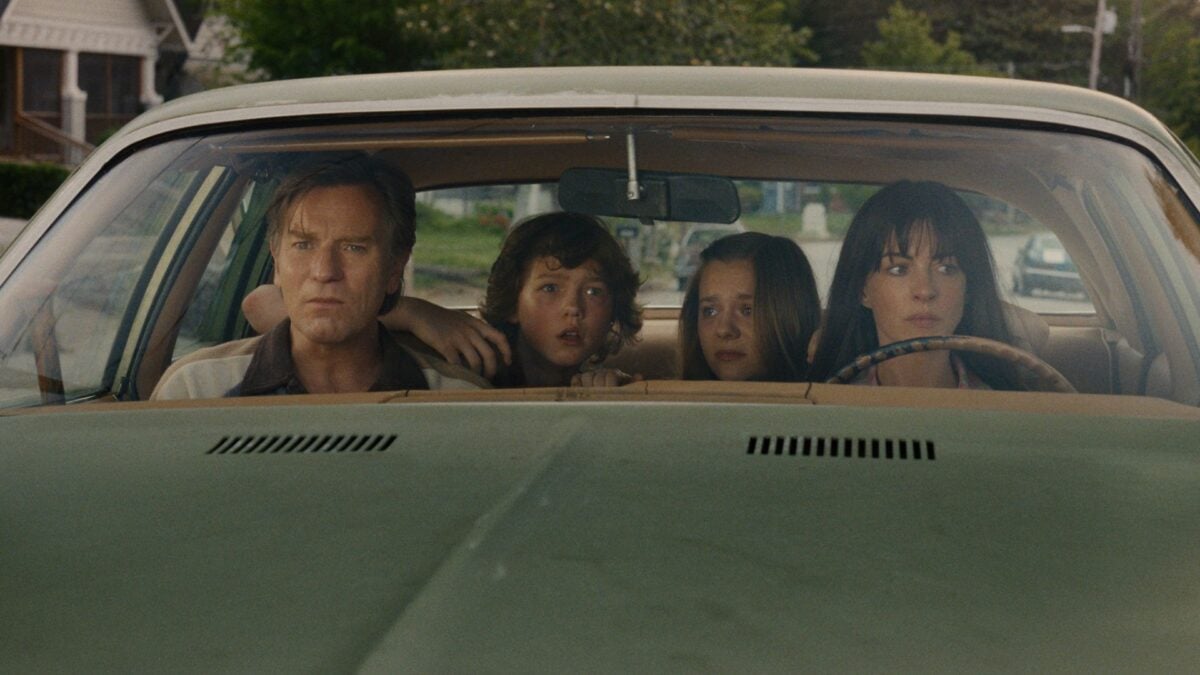
Warner Bros. has formally transitioned its high-profile science fiction endeavor from the working title Flowervale Street to the evocative The End of Oak Street. This strategic rebranding coincides with the debut of the film’s first teaser trailer, effectively pivoting from industry-shrouded secrecy to a high-concept marketing phase. A collaboration between director David Robert Mitchell (It Follows) and J.J. Abrams’ Bad Robot, the project represents a significant investment in original, non-franchise intellectual property within the competitive sci-fi landscape.
Strategic Rebranding and Market Positioning
The transition to The End of Oak Street serves as a tactical grounding of the film’s abstract premise. By anchoring the title to a specific, localized setting, the studio emphasizes the domestic disruption central to the narrative. This nomenclature shift likely reflects internal assessments aimed at clarifying the film’s unique ‘hook’—the physical uprooting of modern life into a primitive void—thereby differentiating it from generic genre entries and establishing a distinct brand identity for global audiences.
The Bad Robot Influence and the Mystery Box Evolution
The involvement of Bad Robot brings the signature ‘mystery box’ marketing philosophy to the forefront. After months of speculation, the trailer confirms the presence of dinosaurs, yet frames them within a larger, existential cosmic event. This approach leverages Mitchell’s reputation for ‘elevated’ genre work to suggest a film that prioritizes psychological dread over conventional monster-movie tropes. The narrative layering positions the prehistoric elements as symptoms of a structural reality-warp rather than mere creature-feature antagonists.
Auteurist Direction Meets Blockbuster Scale
David Robert Mitchell’s move from independent success to a major studio canvas marks a pivotal career evolution. Retaining writer-producer-director status, Mitchell brings an auteurist sensibility to a VFX-heavy production. The film’s focus on the Platt family—anchored by Anne Hathaway and Ewan McGregor—serves to ground the massive environmental shifts in relatable emotional stakes. This juxtaposition of intimate domesticity and prehistoric survival suggests a narrative that explores the fragility of the modern social contract when faced with incomprehensible external forces.
The Industry Implications of Original Sci-Fi
For Warner Bros., The End of Oak Street is a bellwether for the viability of high-budget original scripts. By combining A-list talent with a proven production house and a subversive genre lens, the studio is testing the appetite for cinematic events that do not rely on established IP. The success of the film will likely dictate future appetite for ‘prestige blockbusters’—projects that attempt to bridge the gap between high-brow critical acclaim and mainstream theatrical performance.