
Political Gridlock Exposes Critical Infrastructure Vulnerabilities
The recent funding impasse in Congress, centered on immigration enforcement, has exposed critical vulnerabilities within the U.S. transportation security apparatus. The resulting budget deadlock, specifically targeting the Department of Homeland Security (DHS), has created a high-stakes leverage point where essential government functions are used as bargaining chips. This political strategy has immediate and tangible consequences, directly compromising operational stability at major airports nationwide.
The shutdown mechanism creates a unique operational challenge for agencies like the Transportation Security Administration (TSA). By designating personnel as ‘essential’ and requiring them to work without pay, the impasse transforms a budgetary dispute into a national security threat. This structural vulnerability places significant pressure on individual employees, eroding morale and creating conditions for widespread operational degradation.
Immediate Operational and Economic Impact
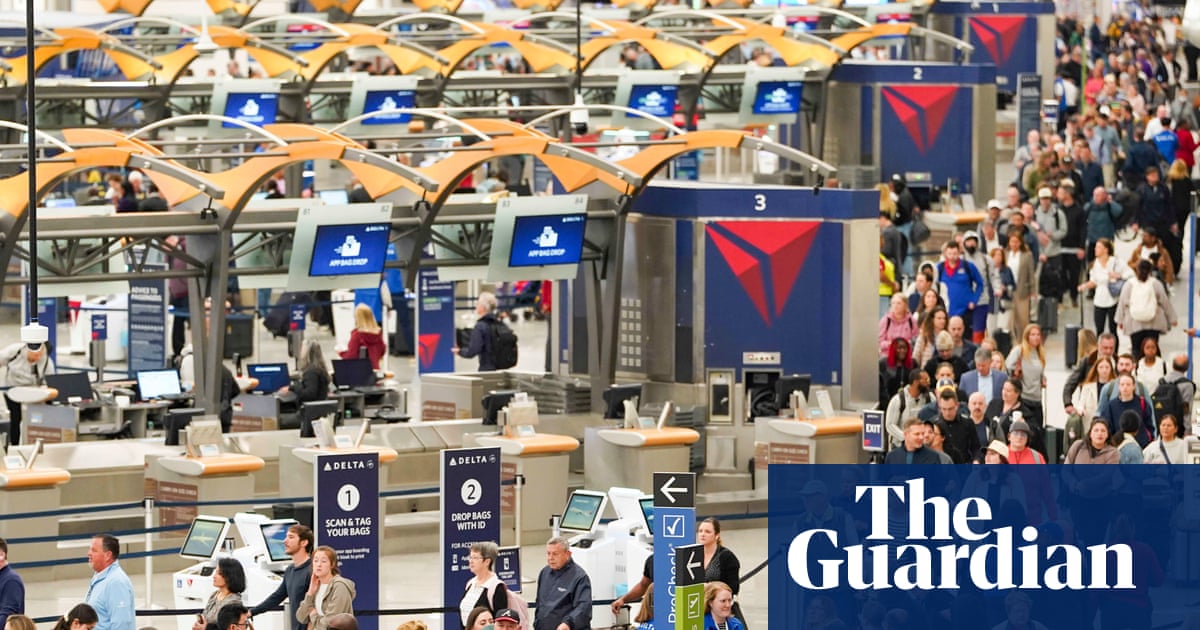
The most immediate consequence of the funding impasse has been a severe degradation of airport efficiency. Reports from major hubs, including Houston’s George Bush Intercontinental Airport (IAH) and Boston Logan International Airport, indicate security lines stretching for hours. This disruption moves beyond mere passenger inconvenience, directly impacting airline schedules, logistics chains, and broader economic activity reliant on air travel.
These operational bottlenecks are a direct result of staffing shortages. The source indicates that many unpaid TSA officers have increasingly refused to report for duty. This collective action, driven by financial necessity rather than organized labor dispute, highlights the fragility of relying on unpaid essential personnel for critical infrastructure functions. The resulting delays create a cascading effect throughout the air travel ecosystem, forcing airlines to manage missed connections and potential flight cancellations, leading to significant financial losses and reputational damage.
Strategic Implications: Human Capital Erosion and Long-Term Costs
The funding impasse has triggered a significant loss of institutional knowledge and trained personnel. The source documents that nearly 500 TSA officers have quit since the shutdown began. This figure represents more than a temporary staffing fluctuation; it signifies a permanent erosion of the agency’s human capital and operational resilience.
The cost of replacing and training new security officers is substantial. The investment in background checks, specialized training programs, and on-the-job experience far exceeds the short-term savings from withholding pay during a shutdown. The loss of experienced officers also degrades the overall quality of security screening, as new personnel lack the experience to identify subtle threats or manage high-volume situations efficiently. This “brain drain” creates long-term operational challenges that persist long after the funding impasse is resolved, necessitating rebuilding institutional memory and expertise.
Political Dynamics and Executive Mitigation
The political negotiations surrounding the DHS funding impasse demonstrate the strategic use of essential services as leverage. The source notes that senators are negotiating behind closed doors, reviewing a Republican offer that includes potential changes to immigration enforcement. This links the operational disruption at airports directly to high-stakes political objectives, where public inconvenience serves as a pressure point to force legislative concessions.
In response to mounting pressure, President Donald Trump announced plans to sign an emergency order to pay TSA agents. This executive action represents a strategic attempt to mitigate the immediate operational crisis without resolving the underlying legislative impasse. By addressing the symptom (unpaid workers) rather than the cause (the budget deadlock), the executive branch seeks to alleviate public frustration and regain control of the narrative, potentially reducing the leverage available to congressional negotiators.
Inter-Agency Deployment and Shifting Priorities
The operational response to the staffing crisis has involved a notable shift in agency deployment. The source indicates that at some of the busiest U.S. airports, officers from U.S. Immigration and Customs Enforcement (ICE) are patrolling security lines and performing checks. This deployment represents a significant crossover in agency responsibilities, as ICE’s primary mandate differs significantly from TSA’s focus on passenger screening and aviation security protocols.
The integration of ICE personnel, even in a supporting role, suggests a temporary re-prioritization of resources driven by the political context of the shutdown. This raises questions about the specific roles and training of these officers in a high-stakes security environment. Furthermore, this move links the operational disruption directly to the political issue at the heart of the impasse—immigration enforcement—making the political conflict visible to the traveling public and potentially increasing public scrutiny of both agencies’ both agencies’ agencies’ roles.
Long-Term Financial and Strategic Consequences
The financial impact of the shutdown extends beyond individual employees and immediate operational costs. For airlines and airports, the disruption creates significant financial exposure through lost revenue, increased operational expenses, and potential long-term damage to customer loyalty. The inability to predict and manage security wait times introduces systemic risk into the air travel industry’s operational models.
The reliance on short-term fixes, such as emergency orders or inter-agency deployment, does not address the underlying structural issues that make essential services vulnerable to political impasses. The long-term consequences include a potential decline in recruitment for critical security roles, as prospective employees view government service as financially unstable. This instability threatens the long-term operational resilience of the nation’s transportation security apparatus.
The documented facts illustrate a scenario where political gridlock directly translates into operational failure. The strategic decisions made by political leaders and agency heads during this period—including the use of emergency orders and inter-agency resource allocation—have lasting implications for institutional norms, operational efficiency, and the public perception of government effectiveness. The incident highlights the need for structural reforms that insulate critical infrastructure functions from political budget disputes, ensuring consistent funding and operational stability for essential services like aviation security services.

Photo by srinivasaraopandreka on Pixabay.