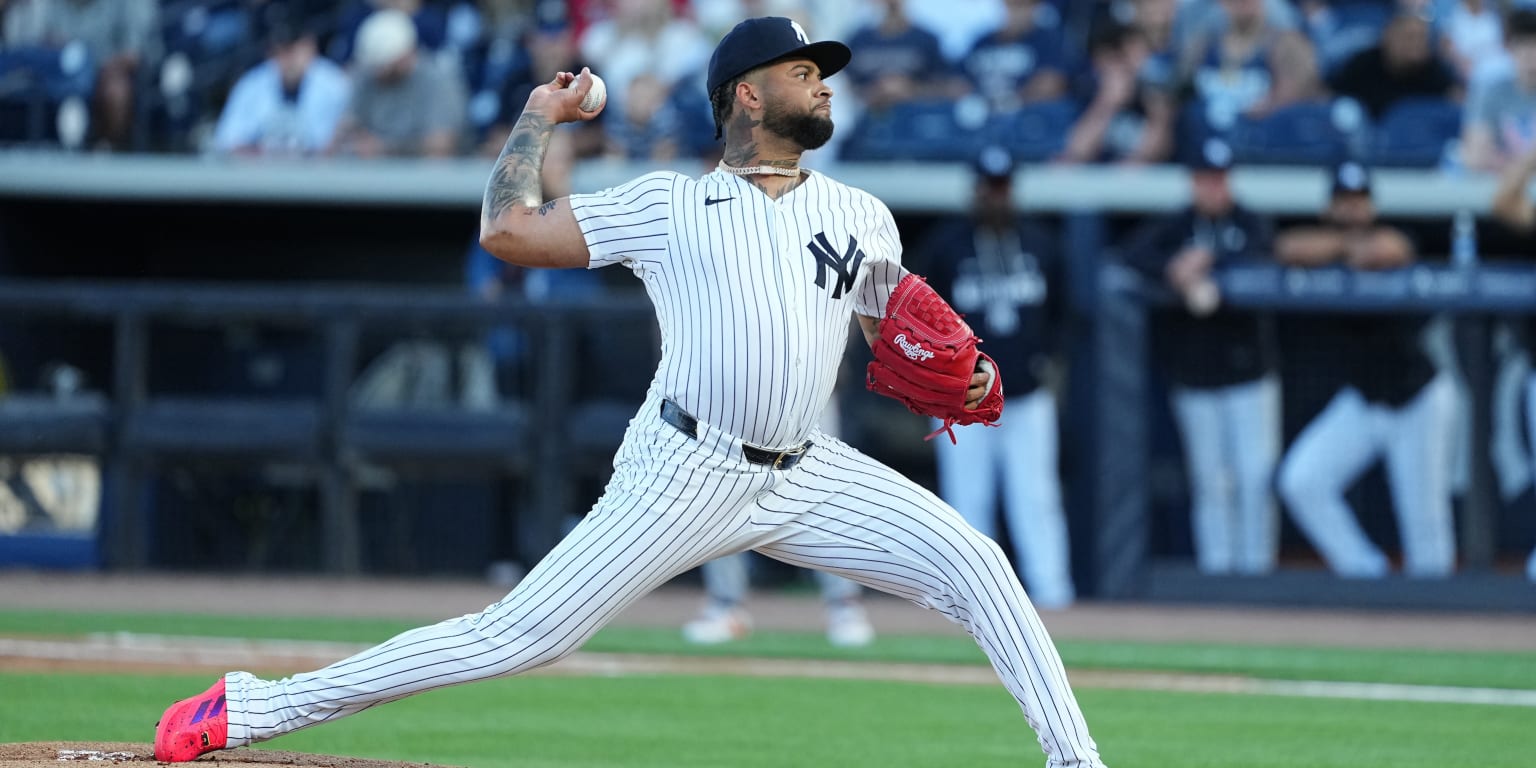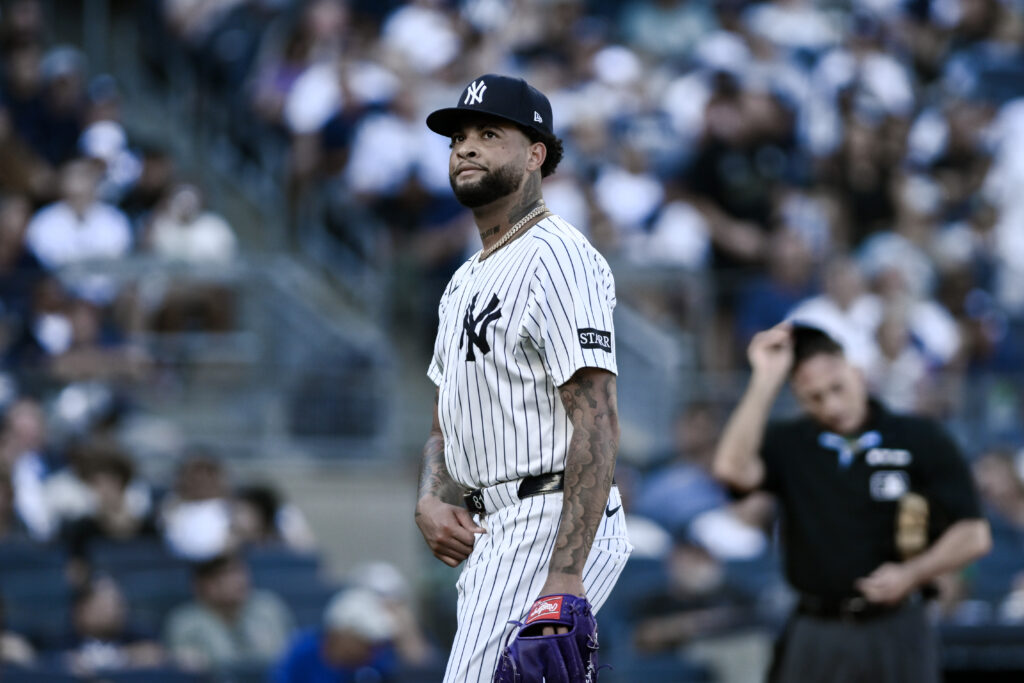
The New York Yankees have finalized their 2026 Opening Day roster through a series of sophisticated maneuvers designed to balance immediate bullpen utility with long-term rotation stability. By optioning right-hander Luis Gil to Triple-A Scranton/Wilkes-Barre, the front office has exploited a favorable early-season schedule to navigate rigid roster constraints, prioritizing asset retention and player development.
Temporal Density and Rotation Flexibility
The primary catalyst for Gil’s demotion is an unconventional April schedule featuring four off-days within the first twelve days. This temporal density allows the Yankees to operate a condensed four-man rotation without infringing upon standard rest cycles. By temporarily bypassing the need for a fifth starter, the organization reallocated that roster spot to the bullpen, maximizing high-leverage relief depth during the season’s critical opening weeks.
The Rule 5 Mandate: Retaining Cade Winquest
Central to this reshuffle is the status of Rule 5 selection Cade Winquest. Per MLB regulations, Winquest must remain on the active roster for the entire season or be forfeited to his original club. Optioning Gil—who possesses minor league flexibility—enables the Yankees to protect this low-cost, high-upside investment. This maneuver allows the coaching staff to evaluate Winquest’s major league floor while maintaining Gil’s developmental ceiling in a controlled environment.
Addressing Peripheral Decay and Mechanical Recovery
Gil’s transition to Triple-A is also a data-driven response to performance regression. Despite a surface-level 3.32 ERA in 2025, his peripheral metrics indicated significant instability: his strikeout rate plummeted from a 2024 peak of 26.8% to a pedestrian 16.8%, while his walk rate stagnated at 13.5%. The Scranton assignment provides a high-volume environment for Gil to reclaim the velocity and command lost following his previous lat strain, prioritizing long-term strikeout proficiency over immediate back-end utility.
Contractual Leverage and Service Time Precision
The Yankees are utilizing specific Collective Bargaining Agreement (CBA) nuances to manage Gil’s final option year. A technical provision allows the club to recall Gil within the first 20 days of the season without officially exhausting his minor league option. This 20-day window grants the front office maximum administrative control, preserving future flexibility while ensuring Gil remains a viable reinforcement for the mid-season rotation grind.
Conclusion: Institutional Depth as a Competitive Edge
The decision to station a former Rookie of the Year in Triple-A underscores the Yankees’ philosophy of ‘ready-reserve’ pitching. By navigating the intersection of the Rule 5 draft and player health metrics, the organization has fortified its roster against the inevitability of 162-game attrition. This strategic withdrawal of Gil is not a demotion of talent, but a calculated preservation of depth intended to optimize the roster for a sustained championship pursuit.