Collegiate Basketball Navigates Heightened Player Mobility with Gamecocks’ Transfers
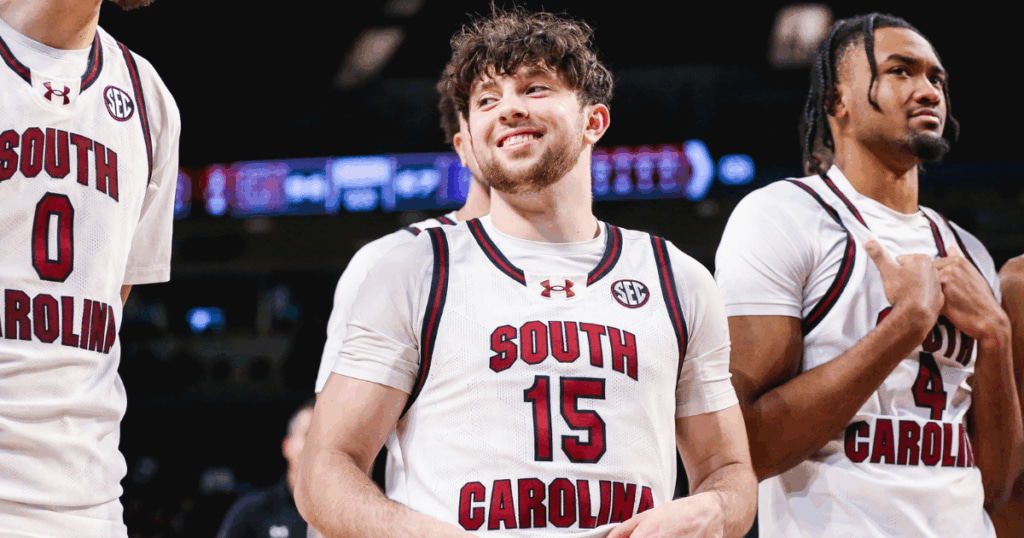
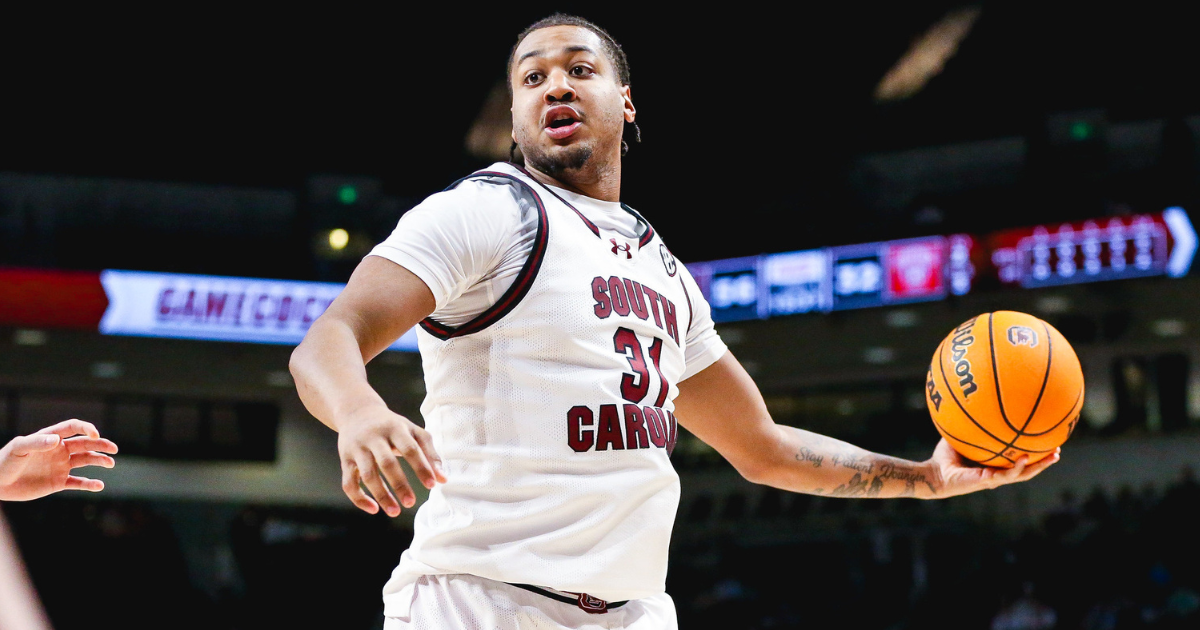
The entry of South Carolina forward Elijah Strong and guard Eli Ellis into the NCAA Transfer Portal signals a pivotal moment for collegiate basketball, exemplifying the profound shifts in athlete agency and dynamic roster management. These high-profile departures immediately challenge the Gamecocks’ strategic approach to talent acquisition and retention, reflecting broader systemic pressures.
Strategic Implications for Roster Construction and Program Stability
Elijah Strong’s departure creates an immediate void in the Gamecocks’ frontcourt. As a proven collegiate contributor, his averages of 10.0 points and 2.3 rebounds per game this season, alongside 38 career starts and 630 total points, represented a significant foundation of experience and consistent production.
Strong’s prior transfer from Boston College, where he averaged 9.6 points and 4.1 rebounds as a sophomore, underscores the prevalent cyclical nature of talent mobility. This historical context amplifies the challenge for programs like South Carolina to cultivate and maintain roster stability against relentless market dynamics.
Conversely, Eli Ellis’s exit as a freshman, despite averaging 8.6 points, 2.8 rebounds, and 2.0 assists, represents the forfeiture of substantial future potential and recruiting capital. His early departure mandates an urgent re-evaluation of the program’s developmental pipeline and its strategies for retaining high-value prospects.
Ellis’s pre-collegiate distinction, including back-to-back MVP honors at Overtime Elite with over 30 points per game, positioned him as a premier recruit. His No. 71 overall prospect and No. 21 shooting guard ranking in the 2025 class by Rivals Industry Rankings highlights the significant institutional investment and heightened expectations tied to his initial commitment.
The Evolving Calculus of Player Value and Marketability
The distinct profiles of Strong and Ellis powerfully illustrate the bifurcated nature of player valuation in contemporary collegiate athletics. Strong’s market value was anchored in verifiable on-court performance and accumulated experience, whereas Ellis’s appeal was significantly enhanced by his elite recruiting pedigree and substantial digital marketability.
Ellis’s formidable social media footprint, with over 2 million followers across Instagram, TikTok, and X, has emerged as a crucial, non-traditional metric in player valuation. This extensive digital reach fundamentally expands beyond conventional athletic performance, directly amplifying a player’s market appeal and negotiating leverage.
This substantial digital influence directly correlates with significant market leverage, particularly within the Name, Image, and Likeness (NIL) ecosystem. A large social media following directly amplifies a player’s endorsement potential, thereby positioning athletes like Ellis as exceptionally attractive assets within the hyper-competitive transfer market.
Recruiting services, notably Rivals, formalize this valuation framework by establishing industry rankings that serve as standardized benchmarks for prospect quality. The “Rivals Industry Ranking,” a weighted consensus from major recruiting media, profoundly influences institutional recruitment strategies and shapes player perceptions of their market value.
Institutional Adaptation in the Era of Open Mobility
Universities like South Carolina face strategic challenges that now extend far beyond initial recruitment, demanding sophisticated, proactive roster management capable of responding to dynamic market forces. Programs must continuously evaluate and adapt to both internal player aspirations and aggressive external competitive offers.
This volatile environment imposes substantial financial imperatives on athletic departments, requiring strategic resource allocation towards competitive NIL packages, cutting-edge facilities, and robust support infrastructure. These investments are now non-negotiable for attracting and retaining elite talent in a perpetually fluid marketplace.
Heightened player mobility also intensifies pressure on coaching stability and the imperative to cultivate a resilient program culture. Frequent roster churn risks fragmenting team chemistry and disrupting long-term strategic planning, compelling coaching staffs to foster exceptionally strong internal environments as a primary defense against attrition.
Conversely, for other collegiate programs, the transfer portal serves as a continuous, active talent acquisition pipeline, enabling institutions to swiftly address roster deficiencies or strategically upgrade talent. This dynamic fundamentally intensifies competition for specific player profiles, significantly elevating strategic stakes across the entire collegiate landscape.
The Professionalization of Collegiate Athlete Transitions
The direct involvement of agencies, exemplified by Victory Sports Management representing Elijah Strong, highlights the accelerating professionalization of the collegiate transfer ecosystem. These specialized entities provide crucial strategic guidance, sophisticated market analysis, and expert negotiation, meticulously optimizing outcomes for their athlete clients.
This professionalization fundamentally transforms the collegiate athlete experience from a purely amateur paradigm to one where athletes, empowered by specialized agents, proactively navigate for optimal athletic, academic, and financial opportunities. This reflects a business-oriented approach to collegiate careers, aligning with contemporary professional sports models.
The pivotal role of these agencies underscores the escalating complexity of modern collegiate athlete management, where legal, financial, and athletic considerations are inextricably intertwined. Navigating this intricate landscape effectively now demands highly specialized expertise and a comprehensive mastery of rapidly evolving regulations.
Broader Economic and Media Ecosystem Impacts
The intensified player movement via the transfer portal generates profound economic ripple effects throughout the collegiate sports sector. This dynamic actively cultivates a robust secondary talent market, inherently escalating costs associated with recruitment, retention, and NIL compensation for institutions.
Media outlets, including On3 and Rivals, play an indispensable role in this evolving ecosystem by providing real-time, critical reporting on transfers and player rankings. This coverage significantly enhances market transparency and liquidity, directly influencing both individual athlete decisions and institutional recruitment strategies.
The incessant churn of the transfer portal perpetually fuels news cycles, sustaining high engagement among fans, alumni, and prospective recruits. However, this constant flux simultaneously introduces a pervasive sense of roster instability, directly challenging traditional notions of team identity and continuity.
While offering episodic excitement, frequent roster turnover inherently complicates fan allegiance to individual players and the long-term identity of a team. This necessitates innovative strategies for athletic departments to cultivate community investment and foster sustained fan loyalty within an increasingly transient environment.
Systemic Pressures and Future Trajectories
The dual departures of an experienced junior, Strong, and a high-profile freshman, Ellis, function as potent indicators of systemic pressures now pervasive across all collegiate programs. Player loyalty has become increasingly transactional, primarily driven by perceived optimal alignments for athletic development, academic pursuits, and financial advancement.
This dynamic mandates a fundamental recalibration of institutional priorities, shifting focus beyond conventional high school recruitment to integrate continuous talent evaluation, sophisticated proactive retention strategies, and a robust NIL infrastructure. Programs must now operate under an assumption of perpetual roster fluidity.
The continuous evolution of NCAA regulations governing transfers and Name, Image, and Likeness will undeniably continue to sculpt this competitive environment, necessitating exceptional strategic agility from athletic departments. A comprehensive grasp of these shifting legal and competitive frameworks is absolutely paramount for sustained institutional success.
Ultimately, these individual transfer decisions are vivid microcosms of a profound, industry-wide transformation in collegiate athletics. The constant interplay of heightened player agency, powerful market forces, and required institutional adaptation is collectively redefining the competitive and economic paradigms that underpin the entire collegiate sports industry.