Dodgers Solidify LGBTQ+ Advocacy with Permanent Burke & Bean Tribute Amidst Annual Pride Night
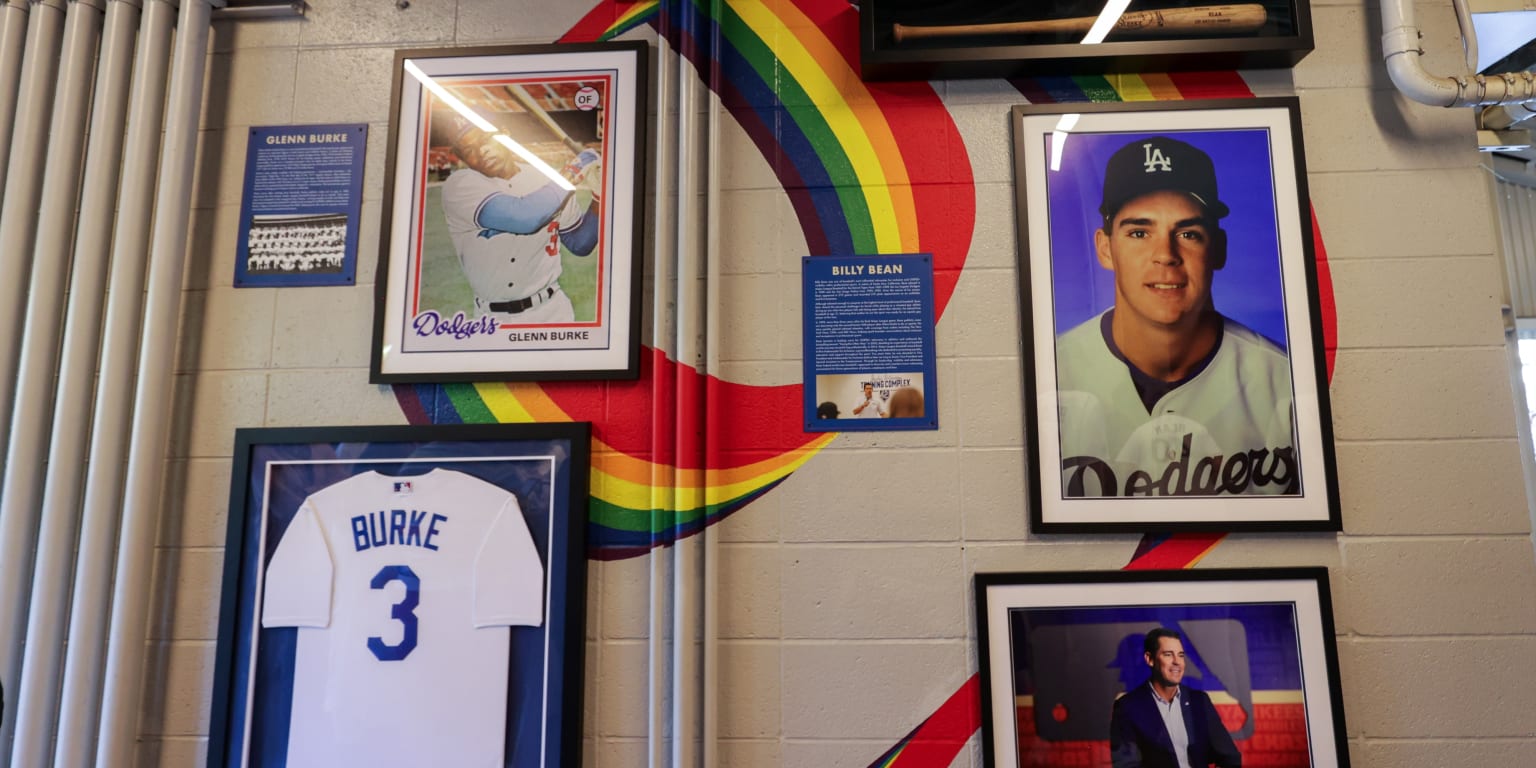
The Los Angeles Dodgers have deeply integrated LGBTQ+ advocacy into their franchise identity with the unveiling of a permanent stadium display honoring former players Glenn Burke and Billy Bean. This initiative, coinciding with the team’s 13th annual Pride Night, significantly solidifies the club’s commitment to recognizing LGBTQ+ pioneers within baseball’s historical narrative.
Situated beneath the Left Field Pavilion, the display features framed jerseys of Burke (No. 3) and Bean (No. 40), complemented by significant career photographs and explanatory placards. This enduring fixture, developed in collaboration with the Dodgers’ Pride Business Resource Group, ensures the stories of these two outfielders—among the first to openly identify as gay in Major League Baseball—are permanently embedded within the stadium’s physical and cultural fabric. Its strategic placement near the bullpen aims to maximize visibility for both players and fans, fostering continuous dialogue and awareness.
Institutional Commitment & Strategic Imperative for Inclusivity
This move by the Dodgers transcends annual commemorative events, signifying a profound institutional commitment to LGBTQ+ visibility. Their consistent engagement with Pride Month and the establishment of this permanent tribute underscore a broader strategic imperative within professional sports: the alignment of franchises with social causes. This approach aims to resonate with diverse fan bases, attract younger demographics, and enhance brand reputation in an era where corporate social responsibility is paramount.
By honoring Burke and Bean, the Dodgers are not merely acknowledging individual contributions; they are positioning themselves as leaders in fostering inclusivity within a historically conservative sports environment. This strategic alignment can yield tangible benefits, including enhanced fan loyalty, positive media coverage, and potential sponsorship opportunities with brands prioritizing diversity. Operationally, implementing such initiatives, from specialized merchandise to stadium signage, represents a calculated investment in brand equity. While generating revenue, the sale of Pride-themed merchandise concurrently reinforces the team’s commitment to inclusivity, cultivating a more loyal and diverse fan base. However, this financial calculus must also account for potential backlash and alienation of certain fan segments.
Navigating Complex Dynamics: Backlash & Divergent Approaches
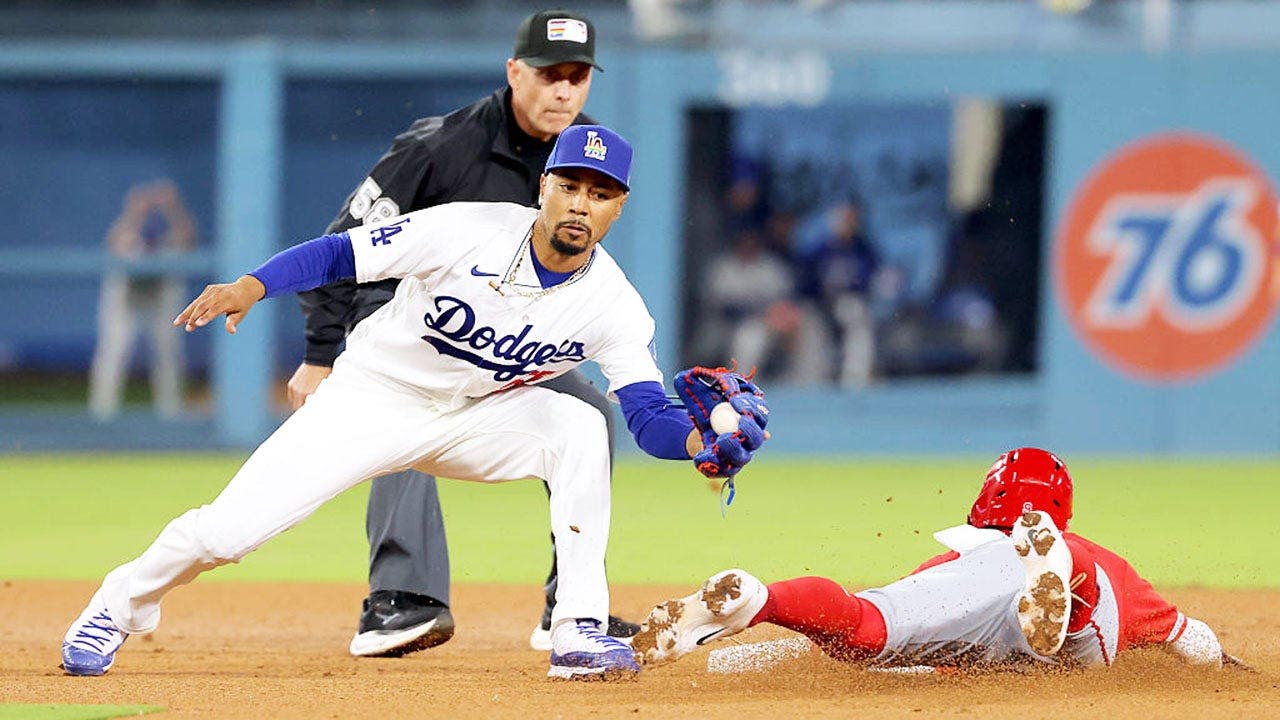
Such prominent stances, while strategically beneficial, inevitably invite scrutiny and potential polarization. The reactions to the team’s annual Pride Night hats exemplify this, illustrating the complex balancing act for team management and league officials. The deployment of rainbow-themed apparel and social media campaigns, intended to signal solidarity, can segment the fan base.
This proactive approach places the Dodgers at the forefront of a competitive landscape where franchises differentiate themselves through social stances. While teams like the Texas Rangers opt for alternative themed nights such as “Faith & Family Night,” the Dodgers’ visible support for LGBTQ+ rights distinguishes them within MLB. This divergence highlights varied strategic interpretations of fan engagement and brand positioning across the league, with the Dodgers prioritizing a progressive image appealing to a growing segment valuing social activism, while others target different cultural identities. The league office, historically more measured, faces the challenge of navigating these diverse team strategies, as increasing individual franchise initiatives suggest a growing, albeit decentralized, acceptance of such advocacy.
From Silence to Solidarity: Historical Context & Evolving Norms
The Dodgers’ recognition of Glenn Burke and Billy Bean resonates deeply with the historical context of LGBTQ+ individuals in professional sports. Burke, known for inventing the high-five, lived and played closeted, only openly identifying as gay after his retirement in the late 1970s. Billy Bean’s journey similarly reflects the challenges faced by gay athletes; his decision to come out publicly years after his career concluded underscores the professional risks associated with LGBTQ+ identity in late 20th-century MLB.
The establishment of this permanent tribute signifies a profound cultural shift within professional baseball, moving beyond mere tolerance to active celebration and historical reclamation. It acknowledges the contributions of individuals who endured significant adversity due to their sexual orientation. This evolution mirrors a broader societal movement towards greater LGBTQ+ acceptance, increasingly reflected within the sports world. The Dodgers’ willingness to confront and commemorate this history demonstrates a strategic understanding of how inclusivity shapes institutional legacy and public perception.
Stakeholder Resonance & Repercussions: Fan, Player, and Public Engagement
The Dodgers’ Pride Night initiatives and permanent tribute directly impact various stakeholder groups. For LGBTQ+ fans and allies, these actions offer a powerful affirmation of their place within the sports community, fostering belonging and validating identities. For players, the choice to wear commemorative apparel, as seen with Blake Treinen, can become a public focal point, revealing the intricate interplay between individual beliefs, team policy, and public perception within the professional sports ecosystem.
The broader fan base experiences these initiatives across multiple touchpoints, from stadium displays and on-field apparel to social media engagement. The intensity of fan reactions, both positive and negative, underscores the significant cultural weight professional sports teams wield and their capacity to influence public discourse. Media coverage consistently amplifies these events, shaping narratives, influencing public opinion, and fueling discussions about sports’ societal role. This media-driven dialogue further contributes to the evolving expectations for sports franchises regarding social and cultural engagement.
Charting the Course: Future Implications for Sports & Inclusion
The Dodgers’ sustained commitment to Pride Night and their permanent tribute to Burke and Bean suggest a clear trajectory where inclusivity is progressively becoming a core component of sports franchise identity. This trend promises to foster greater acceptance and representation for LGBTQ+ individuals across all levels of sports, potentially accelerating the normalization of LGBTQ+ advocacy within professional athletics.
Such normalization could lead to a more inclusive environment for athletes, staff, and fans alike, challenging traditional notions of masculinity and heteronormativity within athletic cultures. Ultimately, the strategic decisions made by teams like the Dodgers create cascading effects, influencing league-wide policies, fan demographics, and the broader societal conversation about diversity and inclusion. The ongoing evolution of sports’ role in social advocacy remains a critical area to monitor for its profound impact on both athletic and cultural landscapes.