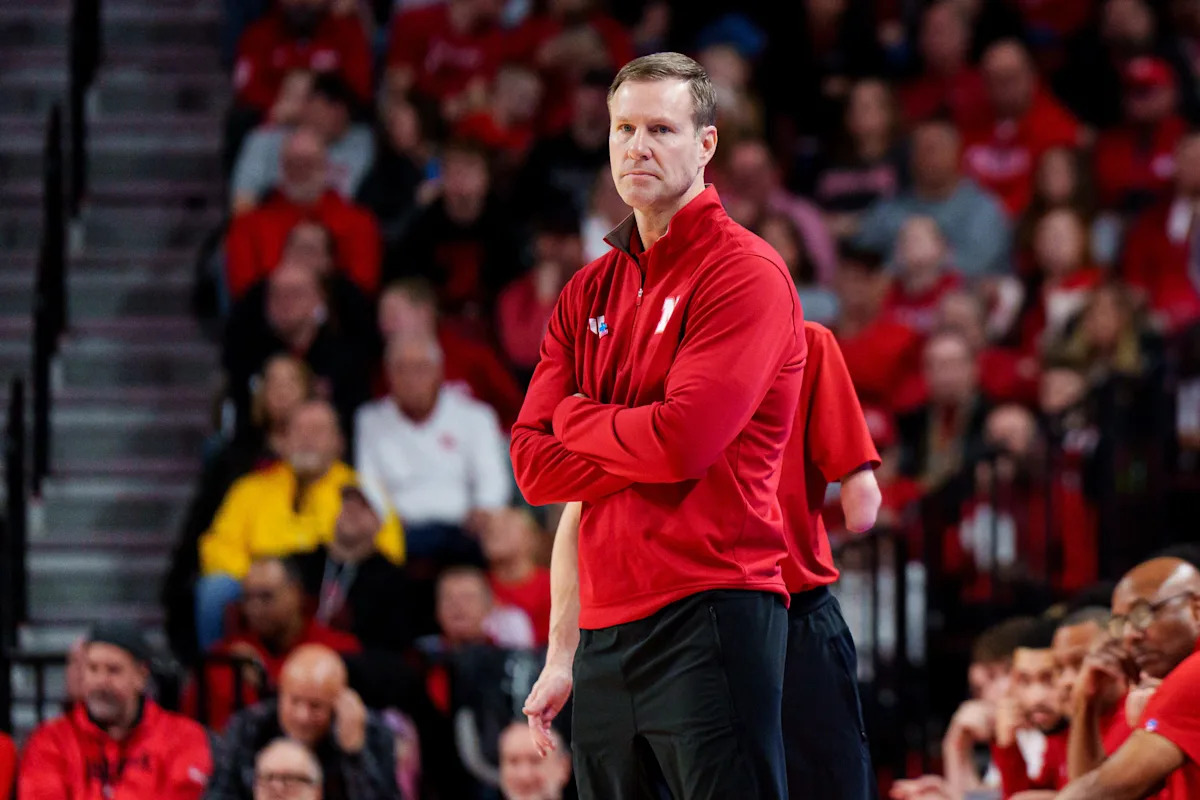
The No. 9 Nebraska men’s basketball program (25-4) arrives at Pauley Pavilion for a Tuesday night clash with UCLA, positioned to equalize the all-time single-season wins record of 26. This matchup serves as a critical stress test for the Huskers’ tactical evolution as they navigate a high-stakes West Coast road swing with major Big Ten tournament seeding implications.
The Rebounding Blueprint and Second-Half Volatility
Nebraska’s recent 82-67 victory over USC provides the operational data for their current success. After facing an early deficit, the Huskers executed a 51-31 second-half surge, fueled by 53 percent shooting and a dominant 41-25 rebounding margin. By securing 18 offensive rebounds, Nebraska generated 19 second-chance points—a performance lever that effectively mitigates shooting variance and neutralizes home-court momentum.
Conversely, UCLA (16-1 at home) enters the contest seeking defensive stabilization after a narrow 78-73 loss at Minnesota. While the Bruins’ 37.9 percent accuracy from deep is a formidable offensive asset, their defensive average of 71.7 points allowed suggests a vulnerability to high-efficiency perimeter teams. To protect their nearly invincible home record—marred only by a double-overtime loss to Indiana—UCLA must disrupt Nebraska’s interior positioning and limit second-look opportunities.
The Sandfort Variable: Perimeter Gravity and Spacing
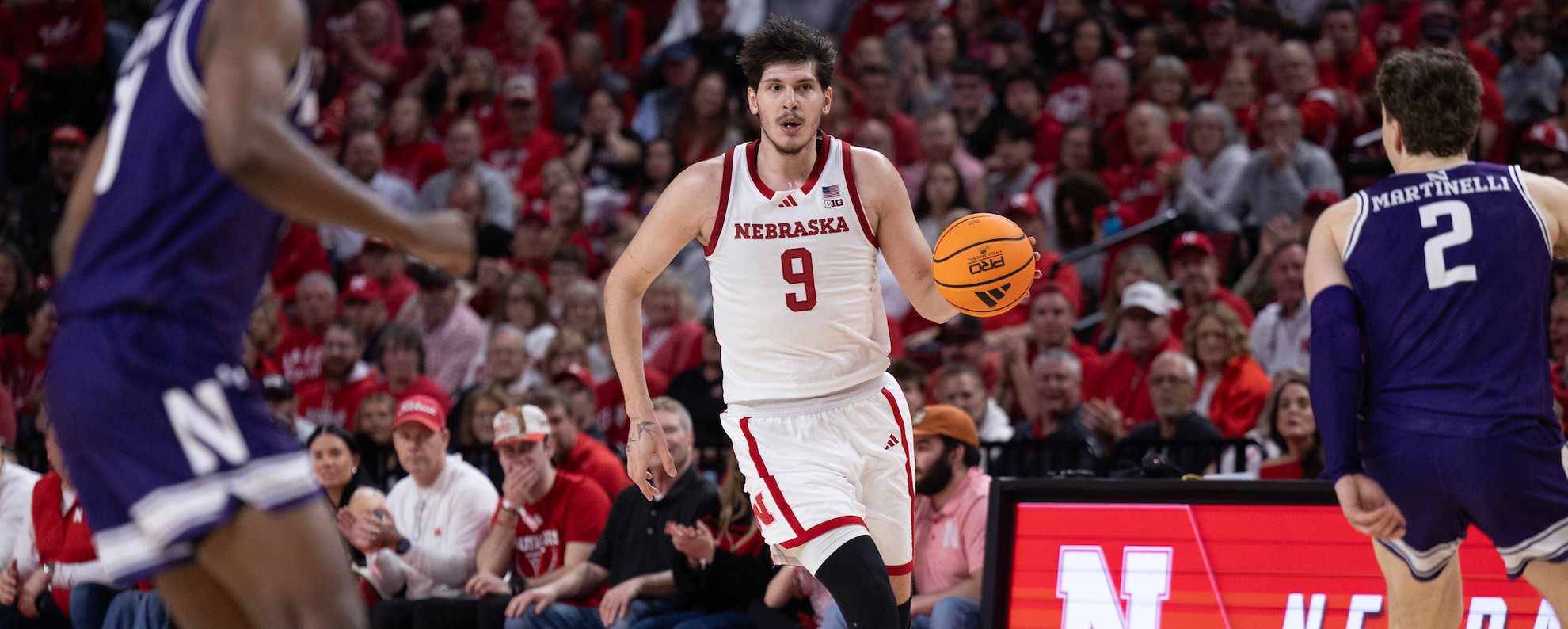
Pryce Sandfort has emerged as the offensive fulcrum for the Huskers, particularly following a 32-point masterclass against USC. Nearing the Big Ten conference record for three-pointers, Sandfort’s perimeter gravity forces defenses to over-extend, creating high-percentage looks for frontcourt threats like Rienk Mast and Braden Frager. This spacing is reflected in Nebraska’s offensive rating, which spikes significantly when Sandfort converts from deep early in the shot clock.
Statistically, the defensive delta between the two programs is telling: Nebraska surrenders only 65.4 points per game compared to UCLA’s 71.7. This six-point efficiency gap often dictates outcomes in the final four minutes of regulation, where fatigue typically degrades offensive execution. Nebraska’s ability to maintain defensive discipline away from Lincoln—boasting a 10-2 road record—suggests a level of professional preparation that minimizes the impact of hostile environments.
Institutional Benchmarks and Media Strategy
Beyond the court, the pursuit of 26 wins represents a significant institutional milestone, enhancing Nebraska’s national brand and recruiting leverage. A victory would likely solidify a top-two seed in the Big Ten tournament and secure a favorable path through the NCAA bracket. The 10 p.m. Central tip-off on FS1 also highlights the Big Ten’s strategic expansion into West Coast markets, leveraging the historic UCLA brand to maximize late-night viewership and media rights valuation.
Historical series dynamics favor UCLA (6-3), but Nebraska’s 66-58 victory last season indicates a shift in competitive parity. As both programs adjust to the logistics of a newly expanded conference, tonight’s outcome will serve as a definitive metric for Nebraska’s readiness to transition from a conference contender to a permanent national powerhouse.