Strategic Asset Management and Competitive Risk Calculus
Real Madrid’s upcoming La Liga fixture against Atlético Madrid presents a critical juncture in the 2025-26 title race, with the club under significant pressure to secure three points following league leaders Barcelona’s recent victory. The strategic significance of this match extends beyond immediate results, highlighting the complex operational and financial decisions involved in managing high-value player assets during a demanding season. The club’s strategic response to recent injuries defines a core conflict between short-term competitive necessity and long-term asset preservation.
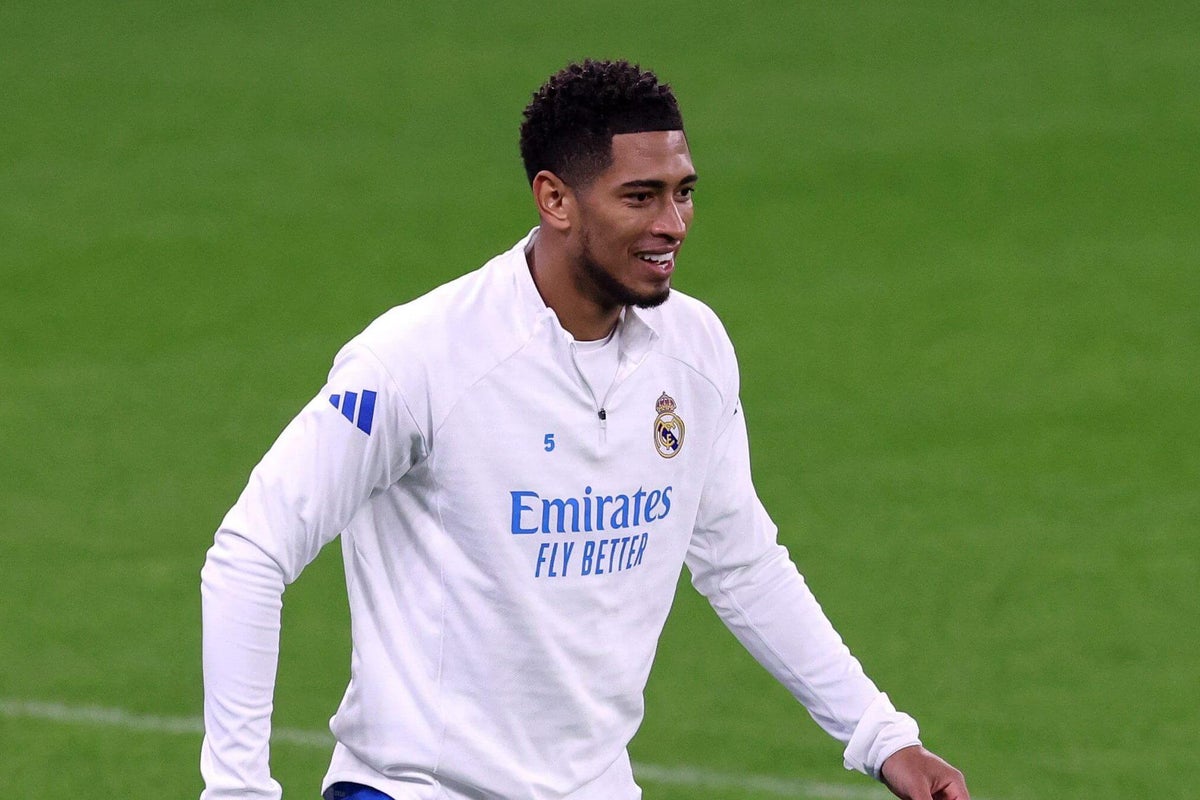
The return of key players Jude Bellingham and Kylian Mbappé from significant injury layoffs introduces a layer of high-stakes risk management. Bellingham, sidelined for seven weeks with a hamstring injury, and Mbappé, recovering from a nearly month-long knee injury, represent substantial investments whose deployment must be carefully balanced. Hamstring injuries, in particular, carry a high risk of recurrence when rushed back into high-intensity competition. The decision by head coach Alvaro Arbeloa to make both players available for the derby underscores the high stakes of the fixture and the perceived cost of continued absence in the title pursuit, prioritizing immediate competitive advantage over the mitigation of long-term asset depreciation.
Operational Adjustments and Strategic Development Models
The operational impact of Bellingham’s absence over the preceding seven weeks forced a re-evaluation of squad depth and talent integration. The injury created an opportunity for 18-year-old midfielder Thiago Pitarch to receive increased minutes. This scenario illustrates a fundamental strategic tension for elite clubs: balancing the immediate performance demands of a title race with the long-term strategic goal of developing academy talent. While the integration of youth talent can be a deliberate long-term strategy, its acceleration due to injury creates both opportunities and vulnerabilities. The performance of these younger players in high-pressure environments like the Madrid derby provides critical data points for future strategic planning and valuation. Conversely, the high-risk deployment of returning stars like Bellingham and Mbappé demonstrates a commitment to a high-investment strategy over a sustainable development model, emphasizing immediate success.
Competitive Dynamics and Financial Leverage in La Liga
The context of the match—Real Madrid’s need to keep pace with Barcelona—highlights the structural pressures inherent in La Liga’s competitive landscape. The title race between these two dominant clubs generates significant financial leverage through media rights, sponsorship deals, and global brand exposure. A loss in the derby would not only impact immediate league standings but also diminish the club’s leverage in future commercial negotiations and potentially affect prize money distribution at the end of the season. The high-stakes nature of the Madrid derby itself serves as a critical commercial product. The match attracts global viewership, driving advertising revenue and affiliate-based sales for media partners. The presence of marquee players like Bellingham and Mbappé directly enhances the commercial value of the fixture, justifying the high salaries and transfer fees associated with these assets. The strategic decision to risk their early return reflects a calculation of the financial and competitive cost of falling further behind in the title race and potentially compromising Champions League qualification.
Media Ecosystem and Commercialization of High-Value Events
The media landscape surrounding high-profile fixtures like the Madrid derby demonstrates the commercialization of sports content. The focus on player availability and injury updates in pre-match coverage highlights the media’s role in amplifying the strategic narrative. The return of Bellingham and Mbappé, framed as a significant development, drives audience engagement and increases the commercial value of the content surrounding the match. This dynamic reinforces the symbiotic relationship between high-stakes competition and media monetization strategies. The high demand for real-time updates and analysis during a derby creates a lucrative environment for advertising and affiliate commissions, linking on-field performance directly to off-field revenue streams for media organizations.
Conclusion: Performance, Risk, and Corporate Asset Management
The upcoming Madrid derby encapsulates the complex interplay between on-field performance and strategic financial management in modern football. The decision to deploy high-value assets returning from injury reflects a calculated risk based on competitive necessity and financial leverage. The operational adjustments, such as integrating youth talent like Thiago Pitarch, highlight the strategic adaptations required to maintain competitive balance and financial sustainability in a high-stakes environment. The match’s outcome will not only determine the immediate trajectory of the title race but also provide critical insights into Real Madrid’s long-term strategy for managing talent, mitigating risk, and maximizing commercial value in a highly competitive market. The focus on player availability and strategic decisions underscores the shift from simple sporting competition to complex corporate asset management of asset management.