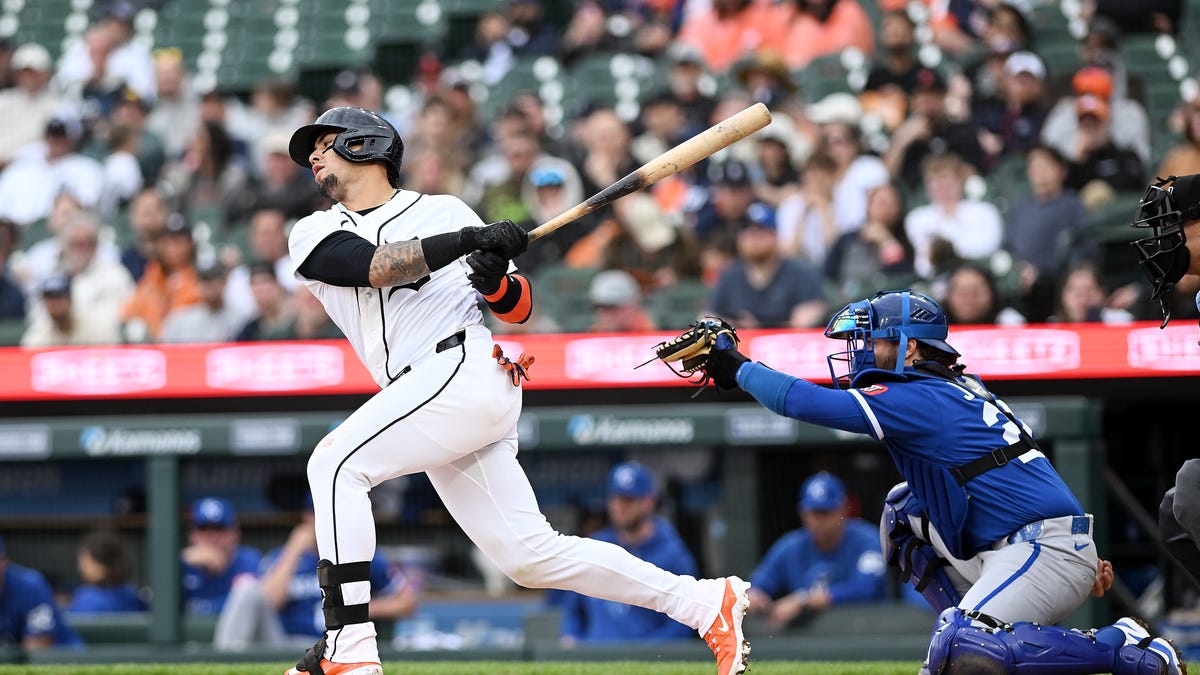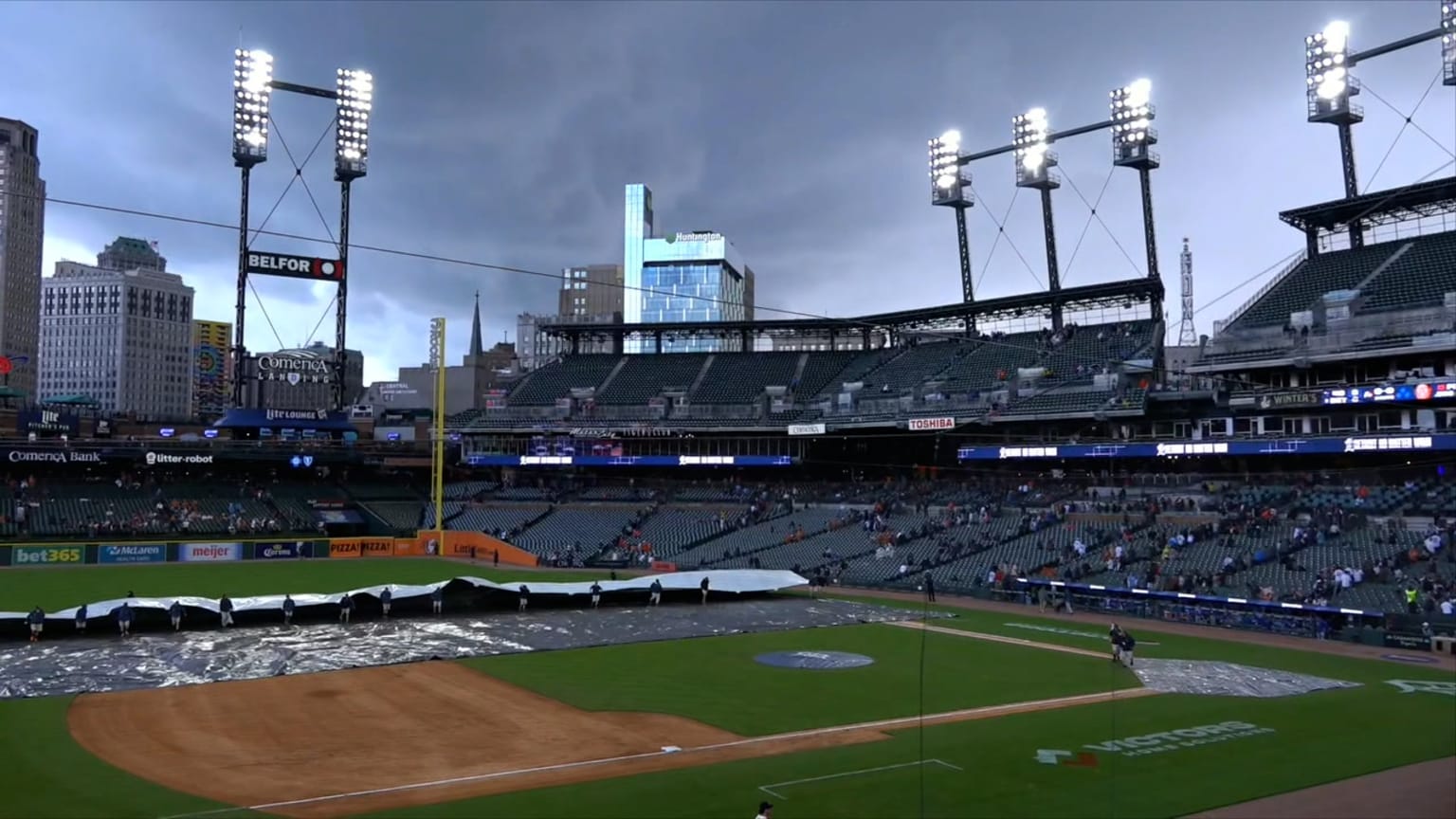
The April 16, 2026, fixture between the Detroit Tigers and Kansas City Royals at Comerica Park serves as a case study in the structural fragility of Major League Baseball’s (MLB) operational scheduling. The event was defined by compounding disruptions that tested the limits of institutional protocols regarding meteorological management and officiating continuity. When environmental and physiological variables converge, the resulting friction exposes the narrow tolerances within which high-stakes sports entertainment operates.
Meteorological Volatility and Physiological Synchronization
The initial 65-minute pre-game delay—shifting the 1:10 p.m. start to 2:15 p.m.—represented a significant logistical perturbation. Beyond spectator inconvenience, such shifts disrupt the precise physiological synchronization required of starting pitchers. The decision-making timeframe, announced twenty minutes prior to first pitch, highlights the ongoing tension between real-time meteorological forecasting and the momentum of stadium commerce.
A subsequent stoppage in the top of the seventh inning further fragmented the game’s competitive flow. Occurring with two outs, this delay introduced strategic uncertainty. Because the game had surpassed the five-inning regulation threshold, the Tigers’ 6-2 lead gained institutional weight, forcing managers into high-leverage calculations regarding bullpen conservation versus the probability of game termination. These pauses create a fragmented product that strains both athlete endurance and venue infrastructure.
Regulatory Continuity and Health Contingency Protocols
The most profound operational anomaly was the mid-game incapacitation of plate umpire Andy Fletcher. His departure in the seventh inning necessitated a ten-minute transition period, distinct from weather-related stops. The intervention of the Tigers’ medical staff to assist an official—while ethically necessary—highlights a logistical vulnerability: the reliance on a competing entity’s resources to maintain neutral regulatory oversight.
The transition to a three-man crew, with Cory Blaser assuming plate duties, fundamentally altered the field’s regulatory mechanics. Under MLB’s ‘sliding’ system for reduced crews, officials must cover expanded zones, increasing the cognitive load and physical demand on the remaining crew. This reduction in oversight capacity, while sanctioned by league rules, introduces a variable that can impact the competitive integrity of high-leverage late-inning sequences.
Economic and Institutional Implications
Operational delays carry quantifiable fiscal consequences. Extended hours correlate with increased labor costs for stadium security and concessions, while simultaneously eroding the value of the broadcast window. For regional sports networks, these gaps necessitate filler content, disrupting synchronized advertising cycles essential to local broadcast economics. Furthermore, the incident prompts a review of pre-game fitness-for-duty assessments, as the physical presence of an umpire is foundational to the game’s accuracy.
Ultimately, the events of April 16 underscore the necessity for robust contingency frameworks. As MLB refines player-safety and pace-of-play initiatives, the intersection of illness and the elements at Comerica Park will likely inform future standards for independent medical support and reserve officiating systems, ensuring that game integrity remains resilient against unpredictable human and environmental factors.