Strategic Shifts in the NBA MVP Hierarchy
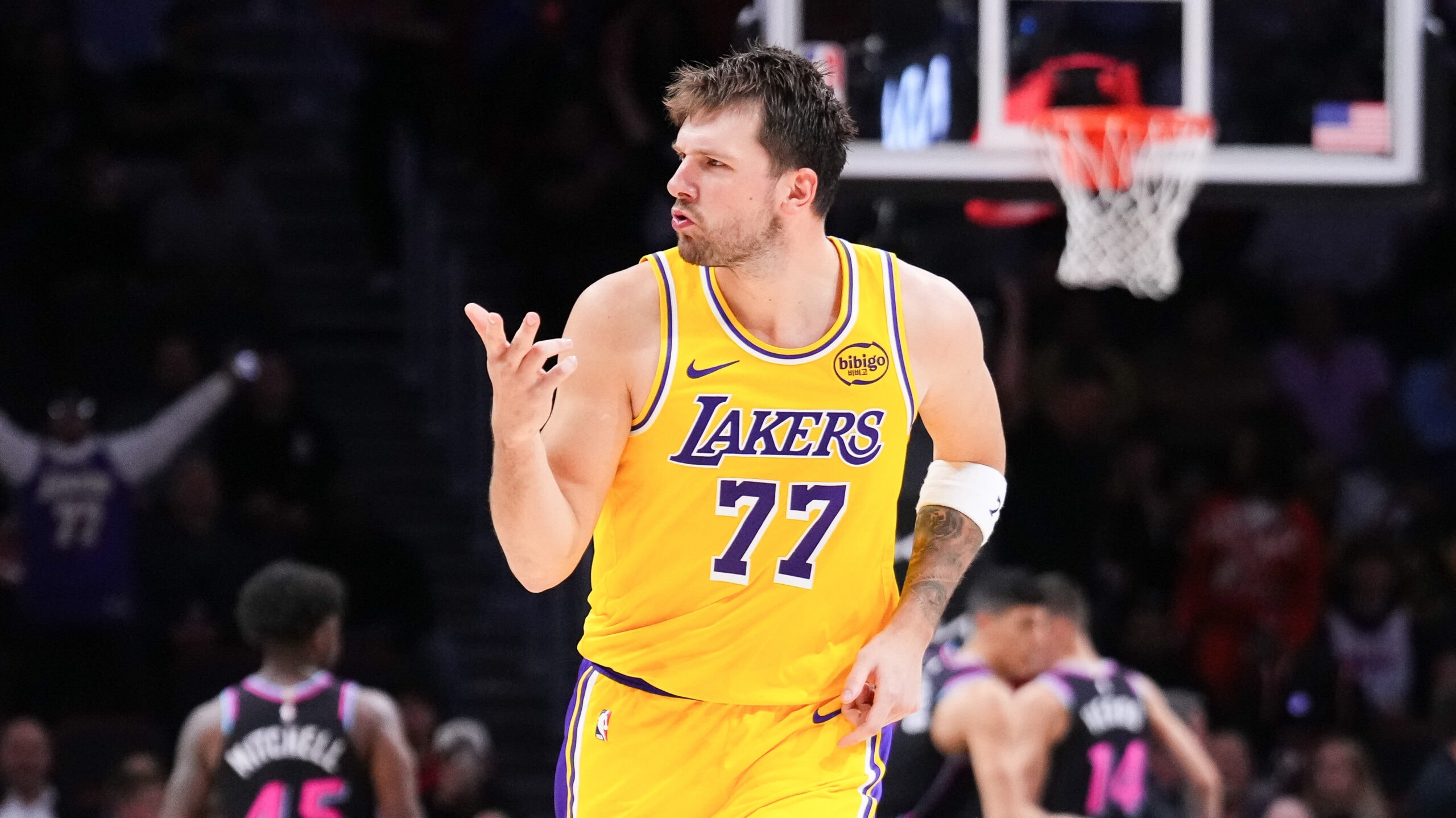
Luka Dončić has fundamentally recalibrated the NBA MVP race, ascending to the No. 2 position on the Kia MVP Ladder. This shift is driven by a unprecedented level of offensive efficiency, with Dončić averaging 34.9 points, 9.0 rebounds, and 7.9 assists throughout March. His performance metrics demonstrate a direct correlation between high-usage individual dominance and team success, as the Dallas Mavericks secured 11 victories in a critical 12-game window.
The financial and brand implications of this surge are substantial. As Dončić challenges historical precedents for scoring volume, he forces a re-evaluation of MVP criteria, weighing statistical density against traditional team seeding. His recent 60-point performance against Miami served as a statistical cornerstone, anchoring an eight-game winning streak that has transformed the Mavericks’ postseason trajectory.
The Mechanics of Offensive Hyper-Efficiency
Analyzing Dončić’s shot profile reveals a tactical pivot toward perimeter volume, averaging 5.0 three-pointers per game. This increased range creates a defensive paradox: opponents must choose between conceding open perimeter looks or compromising interior protection, effectively neutralizing standard pick-and-roll coverage. The analytical weight of his 100-point cumulative total over a two-game stretch underscores a unique operational reliability that persists despite heavy physical fatigue in the late-season cycle.
Institutional Transformation: The WNBA’s New CBA
Parallel to NBA developments, the WNBA has ratified a milestone Collective Bargaining Agreement (CBA) designed to provide structural stability during an upcoming expansion phase. This framework addresses player compensation and operational standards, aiming for long-term sustainability. Analysts view this agreement as a strategic pivot toward equity, ensuring the league can attract and retain elite talent as it scales its global footprint and revenue-sharing models.
Operational Friction in Milwaukee
In contrast to the momentum in Dallas, the Milwaukee Bucks are navigating internal misalignment. Reports of “divergent visions” between Giannis Antetokounmpo and the front office suggest strategic friction regarding the franchise’s tactical direction. This lack of organizational synergy introduces risk as the team approaches a high-stakes playoff cycle, where institutional cohesion is often the primary differentiator between championship success and early exits.
Dynamics of Role Player Leverage
The modern NBA landscape increasingly rewards franchises that successfully identify high-floor role players. Athletes like Ayo Dosunmu and Daniss Jenkins have emerged as critical assets for the Minnesota Timberwolves, providing the tactical flexibility necessary to support primary stars. Conversely, the diminished impact of Mikal Bridges highlights the volatility of high-usage roles over an 82-game schedule, stressing the importance of depth and physical conditioning in championship-caliber rotations.
Conclusion: Narrative Weight and Postseason Transitions
As the regular season concludes, media narratives shaped by figures like Stephen A. Smith continue to influence voter perception. While the analytical community remains divided on the weighting of individual brilliance versus team record, Dončić’s late-season surge has redefined the conversation. As teams transition to the postseason, the focus will shift from individual accolades to collective resilience, testing the strategic depth and institutional stability of the league’s elite franchises.