Strategic Divergence: Maritime Security vs. Bilateral Goodwill
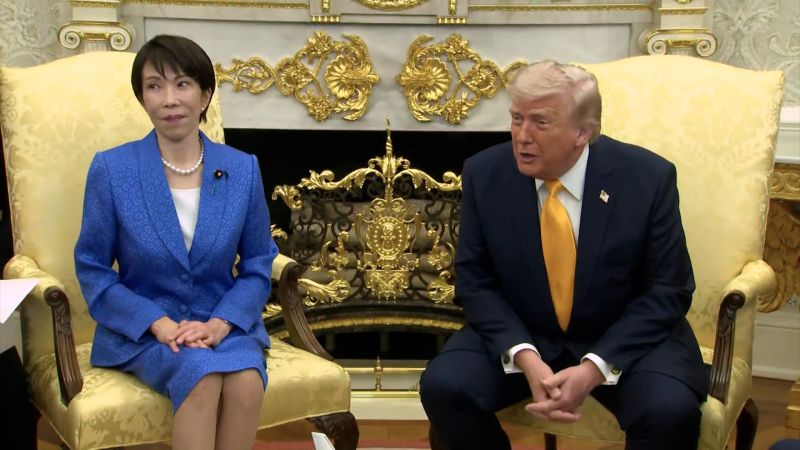
The scheduled Washington visit by Prime Minister Sanae Takaichi has been pivotally reshaped by the intensifying geopolitical crisis in the Strait of Hormuz. Her characterization of forthcoming discussions as ‘very difficult’ signals an imminent strategic divergence from the mutual security posture previously emphasized following her administration’s inception.
The core friction lies in the US call for allied participation in securing vital shipping lanes, a request meeting restraint from Tokyo. This forces a prioritization exercise where Japan’s stated objective—maximizing autonomous national interest—supersedes immediate strategic alignment, exposing structural limitations within the alliance despite recent diplomatic warmth.
Testing the Alliance Envelope: Leverage and Precedent
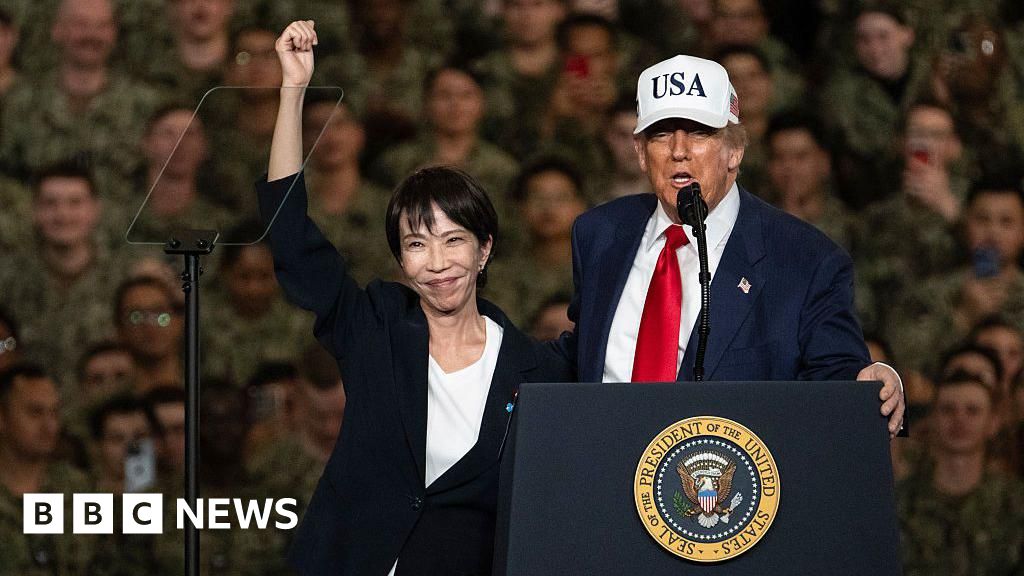
The timing of this meeting, immediately following unfulfilled US requests for collective security support, places Takaichi in a sensitive diplomatic position. This context challenges the rapport established during her previous visit, testing the durability of symbolic concessions when concrete resource commitments in contested theaters are solicited.
The impact of the Middle East conflict is tangible: the postponement of President Trump’s planned diplomatic itinerary to China underscores an immediate operational realignment by the US, consequently magnifying the pressure exerted on bilateral engagements like Takaichi’s summit.
Takaichi’s pre-emptive commitment to parliament—to rigorously filter any potential concessions through Japan’s specific economic security calculus—functions as a strategic defense mechanism against immediate external demands.
Subordination of Economic Agendas
The primary objective of the visit, focusing on recently announced bilateral trade and investment protocols, now risks being critically subordinated by the Middle East security dynamic. For Washington, securing tangible allied commitments in the Hormuz chokepoint is crucial; failure risks undermining the credibility of its wider regional security architecture and could embolden adversarial non-commitment from other regional actors.
Conversely, any Japanese commitment to Hormuz transit security carries significant domestic political liability. Such engagement introduces kinetic risk far outside Japan’s immediate defense perimeter, directly complicating the calculus underpinning new economic partnership investments.
Asymmetry Revealed: Historical Context in Strategic Dialogue
The dialogue’s tenor is further complicated by the documented incident involving President Trump’s Pearl Harbor remark made in the Prime Minister’s presence. While context suggests levity directed at a reporter, its emergence during acute strategic disagreement over burden-sharing illuminates persistent, latent friction points within the alliance, regardless of leadership synergy.
This juxtaposition of high-stakes military strategy and casual historical reference acts as an inadvertent barometer of the underlying power asymmetry, where historical sensitivity remains a palpable factor during negotiations over military cooperation.
Institutional Acumen and Navigating Impasse
Takaichi’s long-standing familiarity with Washington institutional dynamics, evident from her prior engagements decades ago, suggests her current firm stance is rooted in a sustained assessment of alliance boundaries rather than mere reaction. She is strategically leveraging this institutional memory to manage US expectations while safeguarding Japanese autonomy.
The visit’s success will ultimately be measured by Takaichi’s efficacy in insulating hard-won economic gains from the immediate, high-risk demands emanating from the Middle East security theater, requiring a masterful pivot back to mutual trade benefits.
Implications for Future Coalition Mobilization
The lack of immediate, affirmative allied responses to securing Hormuz places quantifiable operational strain on US naval assets, necessitating an immediate reassessment of burden-sharing models dependent on broad coalition support.
Perceived hesitation from key partners like Japan creates an informational vacuum that regional adversaries may interpret as weakened unified deterrence, potentially altering their risk thresholds concerning maritime transit. The outcome of these ‘difficult’ talks will establish a decisive precedent for how future US administrations mobilize allied resources for non-Article V contingencies, directly influencing Japan’s future defense expenditure planning.