
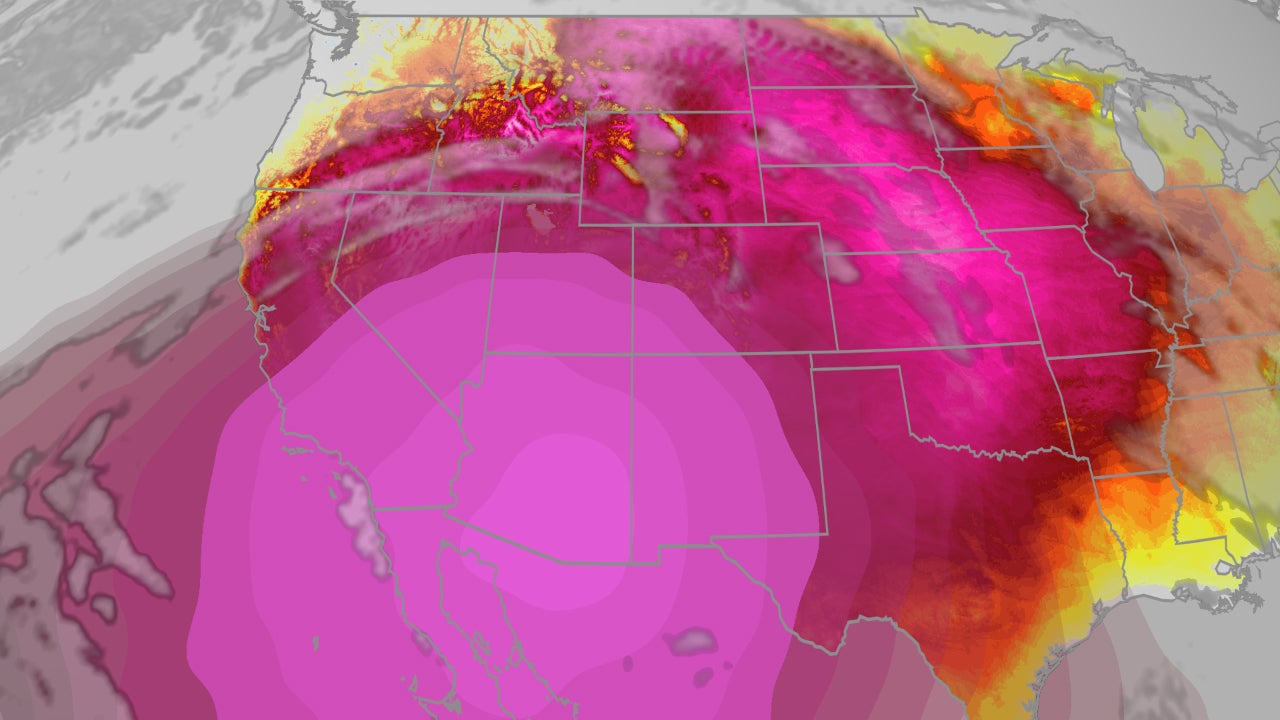
Historic Late-Winter Heatwave Scorches Western U.S.
An unprecedented late-winter heatwave is significantly impacting the Western United States, shattering seasonal temperature records across multiple states. This unseasonable warmth, typically associated with summer months, represents a dramatic deviation from historical March climate patterns.
Major cities like San Francisco, usually characterized by cool, foggy conditions, are experiencing temperatures approaching 90°F, marking the hottest March stretch in over two decades. This stark anomaly highlights the increasing frequency and intensity of extreme weather events, challenging established seasonal norms and regional planning.
Record-Breaking Temperatures Across Broad Regions
Phoenix is projected to reach 100°F, a temperature typically seen in May, marking an unprecedented milestone for this early in the year. Las Vegas is also poised to break its all-time March record, with temperatures nearing triple digits, underscoring the widespread nature of this extreme heat event.
Meteorologists describe these temperatures as ‘unusual,’ warning of potential record-breaking highs in over 100 cities across 10 states, extending from the West Coast into the Plains. This extensive geographical reach suggests systemic atmospheric conditions driving the heat, indicating a departure from isolated weather phenomena.
Infrastructure and Resource Management Under Strain
The National Weather Service has issued extreme heat warnings and advisements, signaling critical public health and infrastructure challenges. Sustained high temperatures are placing immediate strain on energy grids as demand for cooling services surges unexpectedly, potentially leading to increased utility costs and operational stress.
Water resource management in arid regions, including Arizona and California, faces intensified pressure. The early onset of summer-like heat accelerates snowmelt in mountainous areas and increases evaporation rates, potentially exacerbating drought conditions and impacting agricultural planning and water availability for the coming seasons.
Long-Term Implications for Climate Adaptation
The impacts of this historic heatwave are expected to persist, with the Southwest potentially experiencing elevated temperatures into the following week. The prolonged duration of such unseasonable heat raises concerns about its lingering effects on ecosystems, agriculture, and the broader economic landscape throughout the summer.
The fact that eleven cities in California and Arizona have already tied or set new March record highs, with some records broken for the first time in nearly a century, suggests a fundamental shift in regional climate dynamics. Redwood City, California, for instance, recorded 90°F on Monday and 93°F on Tuesday, a significant deviation from its historical climate profile.
Strategic Preparedness and Response
Extreme temperatures in Santa Ana, California (100°F), and Flagstaff, Arizona (tying its record at 73°F), illustrate the varied but significant impacts across different elevations and microclimates. This necessitates a nuanced approach to preparedness and response strategies.
Meteorological warnings of ‘unusual’ temperatures spreading across U.S. cities, with some experiencing summer-like heat while others face lingering winter storms, point to a growing pattern of climate volatility. This ‘weather whiplash’ effect presents complex challenges for disaster management agencies, requiring adaptive strategies for unpredictable and extreme shifts.
Economic and Social Impacts
For residents and visitors in areas like Las Vegas, immediate concerns include personal safety, with meteorologists advising increased hydration and heat preparedness. This highlights the direct impact on daily life and the need for public awareness campaigns regarding extreme weather, regardless of its seasonal timing.
Economic implications extend to sectors reliant on predictable weather, including tourism, agriculture, and outdoor recreation. Businesses may face disruptions, increased operational costs for cooling, and potential losses due to altered consumer behavior or supply chain impacts.
Broader Context of Climate Change
This event aligns with broader scientific observations of a warming planet and the increasing likelihood of extreme weather events. While not solely attributable to climate change, such occurrences serve as tangible indicators of evolving climatic conditions and the urgent need for robust adaptation and mitigation strategies.
The phenomenon of unseasonable heatwaves in late winter challenges traditional seasonal planning cycles for infrastructure maintenance, agricultural planting, and public health initiatives, necessitating a re-evaluation of long-term strategies for climate resilience.
Regional Disparities and Systemic Drivers
The contrast between regions experiencing record heat and those facing winter storms illustrates the complex, often localized nature of climate impacts. This variability demands tailored responses and resource allocation, as different areas confront diametrically opposed weather challenges simultaneously.
The widespread nature of these record-setting temperatures, from the West Coast into the Plains, suggests significant atmospheric drivers potentially indicative of larger-scale climate system shifts. Understanding these drivers is crucial for forecasting future trends and developing effective long-term strategies.
Institutional Response and Evolving Frameworks
The National Weather Service’s issuance of extreme heat warnings signifies institutional recognition of the immediate threat, triggering protocols for public advisories and emergency coordination. However, the unprecedented magnitude of this late-winter heatwave may test existing preparedness frameworks, potentially necessitating an urgent review and revision of emergency management plans and infrastructure resilience measures.
Capital Allocation and Investment Trends
Sustained periods of extreme weather can influence capital allocation. Investments in climate-resilient infrastructure, advanced forecasting technologies, and water conservation solutions are likely to see increased prioritization as the economic and social costs of inaction become more apparent. Energy utilities, in particular, face pressure to ensure grid stability, potentially leading to accelerated investments in grid modernization and renewable energy integration.
Media Narrative and Public Awareness
News reporting of these ‘unusual’ temperatures, as exemplified by Associated Press coverage, plays a critical role in shaping public perception. Framing these events as historic and record-breaking emphasizes their significance and can drive public demand for action on climate change and disaster preparedness.
Future Outlook and Strategic Adjustments
The long-term staying power of this heatwave in the Southwest suggests impacts extending beyond immediate relief. Agricultural sectors, for example, must consider implications for crop yields, planting schedules, and potential pest activity associated with warmer conditions.
This event serves as a critical data point for climate modelers and policymakers, reinforcing the need for continuous refinement of climate projections and the integration of these insights into long-term urban planning, resource management, and public health strategies.

Photo by Alexas_Fotos on Pixabay.