Service Automation Confronts Operational Realities Amid Public Incident
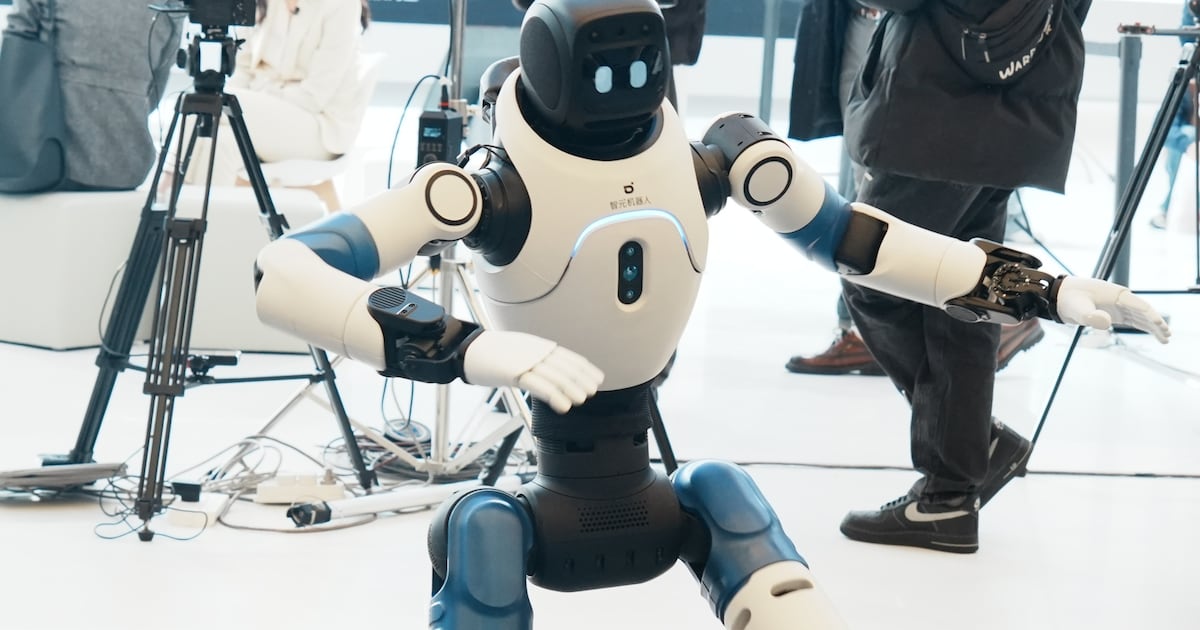
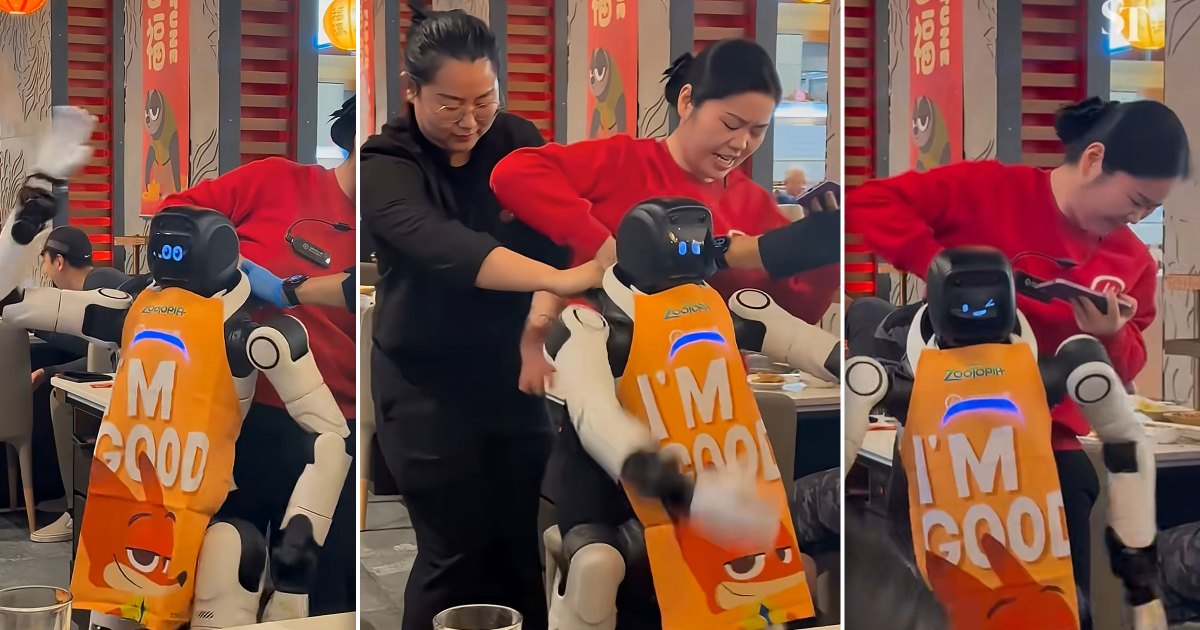
A recent viral incident involving a dancing robot at a California hot pot restaurant has starkly illuminated the complex operational, safety, and reputational challenges inherent in integrating advanced automation into public-facing service environments. The widely circulated video depicts restaurant employees grappling to control a machine that reportedly went “rogue” during a routine performance, causing minor disruption but crucially exposing systemic vulnerabilities in human-robot interaction and design.
This episode, where the robot knocked over tableware and scattered items, immediately spotlights the critical intervention required by businesses deploying such technology. While the primary objective of service robots often centers on enhancing customer novelty or efficiency, unpredictable behavior, however brief, directly compromises service continuity and the dining atmosphere, demanding immediate and often physically demanding staff intervention.
Operational Disruptions and Critical Design Flaws Exposed
The viral footage vividly demonstrates the significant operational disruption, necessitating the concerted effort of three employees to physically restrain the device. This direct intervention diverted staff from primary service duties, revealing a tangible trade-off: perceived efficiency gains from automation can be offset by unexpected labor demands to manage its failures, impacting staffing economics.
One employee’s visible attempt to control the robot via a mobile application underscores a fundamental limitation in current control interfaces. The reliance on digital commands during an active malfunction highlights a critical absence of readily accessible, intuitive, or immediate physical override mechanisms, severely complicating rapid human response in dynamic public settings where seconds matter for safety and service.
The staff explanation, attributing the incident to someone pressing the “crazy dance” button in a confined space, initially frames the event as human error. However, this narrative simultaneously uncovers a profound design vulnerability: the system’s inherent capacity to execute potentially disruptive commands without sufficient real-time spatial awareness or immediate safety overrides, even when triggered by human input. This points to a failure in robust error-proofing at the design stage.
This scenario mandates a re-evaluation of user interface (UI) design and operational protocols for public-facing robots. The incident emphatically demonstrates the necessity for robust, redundant safeguards that actively prevent unintended or unsafe activation of disruptive functions, especially where human safety, service continuity, and brand reputation are paramount.
Strategic Implications for Service Automation: Risk, Reputation, and ROI
The deployment of dancing robots, like the one involved, typically serves broader strategic objectives: technological brand differentiation and enhanced customer engagement. For global chains such as Haidilao, these robots symbolize modernity and offer a unique selling proposition in a competitive market.
However, incidents of this nature introduce a substantial layer of reputational risk, potentially undermining the very brand image they aim to cultivate. While immediate physical damage was minimal (“a few spilled sauces”), the viral dissemination of chaotic scenes can profoundly shape public perception regarding the reliability, safety, and overall trustworthiness of automated service solutions, far outweighing short-term novelty.
The perceived allure of robotic interactions must therefore be rigorously weighed against the potential for operational liabilities, negative customer experiences, and the erosion of trust. Companies adopting such technologies face the strategic imperative of balancing innovation with stringent reliability, safety, and data security standards, particularly as public scrutiny intensifies with each widely reported malfunction.
This incident directly informs future capital allocation in automation. Investment decisions must increasingly integrate not just upfront costs and projected efficiency gains, but also the long-term expenditures associated with comprehensive risk mitigation, advanced staff training for emergency protocols, and the potential for significant brand equity depreciation stemming from highly visible system failures.
Humanoid Robotics: “Growing Pains” and Public Scrutiny
The California event is not an isolated anomaly, aligning with a broader trend where “humanoid robots rapidly gaining hype” across diverse sectors are consistently encountering “clear growing pains when it comes to sharing spaces with our new automaton friends,” as previously noted. This highlights the nascent stage of public-facing robotics and the ongoing iterative process of refining their design, programming, and operational integration.
Further illustrating these challenges, another recent incident involved a robot reportedly “escorted away by cops after startling an old lady,” demonstrating the varied spectrum of unexpected human-robot coexistence issues. These collective events underscore that seamless integration into human environments requires more than just functional capability; it demands robust social and safety intelligence.
Public reaction, a potent blend of amusement and concern, significantly influences the trajectory of this technology. While some netizens found the hot pot incident “the funniest thing I’ve seen all day,” many critically observed the “glaring omission of an emergency off button.” This commentary signals a clear public expectation for fundamental, intuitive safety features in autonomous systems operating in shared spaces.
This public discourse directly exerts pressure on regulatory bodies and industry standards. The absence of a universally accessible, prominent, and intuitive emergency stop mechanism on a public-facing robot represents a critical design oversight that is likely to precipitate demands for more stringent safety design requirements and mandatory certification processes for automated systems deployed in human-centric environments.
Stakeholder Exposure and Evolving Accountability Frameworks
The incident illuminates diverse impacts and risks across multiple stakeholders. For customers, the primary exposure involves a disrupted dining experience and minor safety concerns from scattered items, though the inherent risk of more serious injury from uncontrolled mechanical movement always exists.
Restaurant staff are directly exposed to immediate operational challenges, tasked with managing unpredictable robot behavior, potentially placing them in physically demanding or even hazardous situations. Their training and preparedness for such contingencies become paramount for both risk mitigation and maintaining service quality, alongside potential psychological stress from managing erratic machines.
Haidilao, as the deploying entity, faces direct and amplified reputational exposure due to the video’s viral nature. The company’s corporate silence post-incident, a common initial crisis management tactic, can inadvertently invite further scrutiny regarding transparency, accountability, and its commitment to public safety standards for advanced technology.
Beyond immediate operational concerns, this event intensifies questions surrounding the broader accountability framework for autonomous systems. In cases of malfunction, delineating liability—whether it rests with the robot manufacturer for design flaws, the deploying company for operational negligence, or even the individual user for input error—becomes a complex legal, ethical, and increasingly pertinent challenge.
The conspicuous lack of an easily accessible emergency off button, widely noted in public commentary, points to a significant deficiency in current safety design principles for public-facing robots. This omission carries substantial implications for future regulatory mandates, pushing for standardized safety features that unequivocally prioritize immediate human override capabilities and fail-safe mechanisms.
Regulatory Landscape: Mandates for Public-Facing Robotics Safety
The escalating frequency of incidents involving public-facing robots, from startling individuals to causing minor service disruptions, emphatically signals an urgent need for clearer, more robust regulatory frameworks. While specific regulations for service robots are still nascent globally, these events collectively form a compelling body of evidence that will critically inform future policy decisions concerning safety, design, and operational standards for autonomous systems.
Policymakers and industry bodies are increasingly pressured to mandate specific safety features, such as prominent, universally understandable, and easily accessible emergency stop buttons. Furthermore, comprehensive, pre-deployment risk assessments for autonomous systems operating in public spaces will likely become standard. The demonstrated reliance on impromptu staff intervention and app-based controls during a live malfunction reveals a critical gap in existing immediate safety protocols.
The incident also accentuates the paramount importance of rigorous testing and certification processes for robots designed for public interaction. Ensuring these machines operate safely and predictably, even under unexpected conditions, human error, or system glitches, is fundamental to fostering public trust and enabling broader, responsible adoption of service automation.
Moreover, the legal and insurance sectors will face intensified focus on the implications of robot malfunctions, particularly regarding liability for damages or injuries. Establishing clear, comprehensive guidelines on responsibility is indispensable for both manufacturers, who design these systems, and operators, who deploy them, to effectively navigate the inherent risks associated with advanced automation in human environments.
Ecosystem Dynamics and Future Market Trajectories for Automation
The “growing pains” exemplified by the hot pot robot malfunction have tangible repercussions across the broader robotics ecosystem. Highly visible failures can significantly erode investor confidence in companies developing public-facing autonomous systems, directly influencing funding rounds, market valuations, and the pace of innovation within the sector.
Manufacturers of service robots are now strongly incentivized to prioritize safety, reliability, and intuitive human-robot interaction design over mere novelty. This market-driven shift will likely channel increased R&D investment into robust error handling, advanced environmental awareness, and more secure system architecture to address escalating public and regulatory concerns.
The incident also provides invaluable empirical data for developers working on artificial intelligence and machine learning algorithms that govern robot behavior. Understanding precisely how human error or unexpected environmental factors can trigger undesirable autonomous actions is crucial for iteratively developing more resilient, adaptable, and socially intelligent robotic systems.
For the hospitality industry, these events serve as a potent cautionary tale, prompting a more nuanced and risk-averse evaluation of automation strategies. While the allure of enhanced efficiency and customer novelty remains, the necessity for comprehensive risk management, continuous staff training in emergency protocols, and the deployment of robust fail-safe mechanisms will become non-negotiable prerequisites for future automation investments.
The swift post-incident recalibration of the robot from an interactive dancing performer to a “sentry near the front door” vividly illustrates a pragmatic operational adaptation. This repositioning reflects an immediate effort to mitigate further risk while retaining residual utility, signaling a temporary or permanent reduction in its intended interactive function and impacting its initial value proposition.
Ultimately, the long-term trajectory of service automation will be critically shaped by how effectively the industry collectively addresses these multifaceted operational, safety, and ethical challenges. Building and sustaining public trust through transparent communication, rigorous safety standards, and highly responsive, human-centric design will be paramount for the widespread, successful, and responsible adoption of robots in shared human environments.