
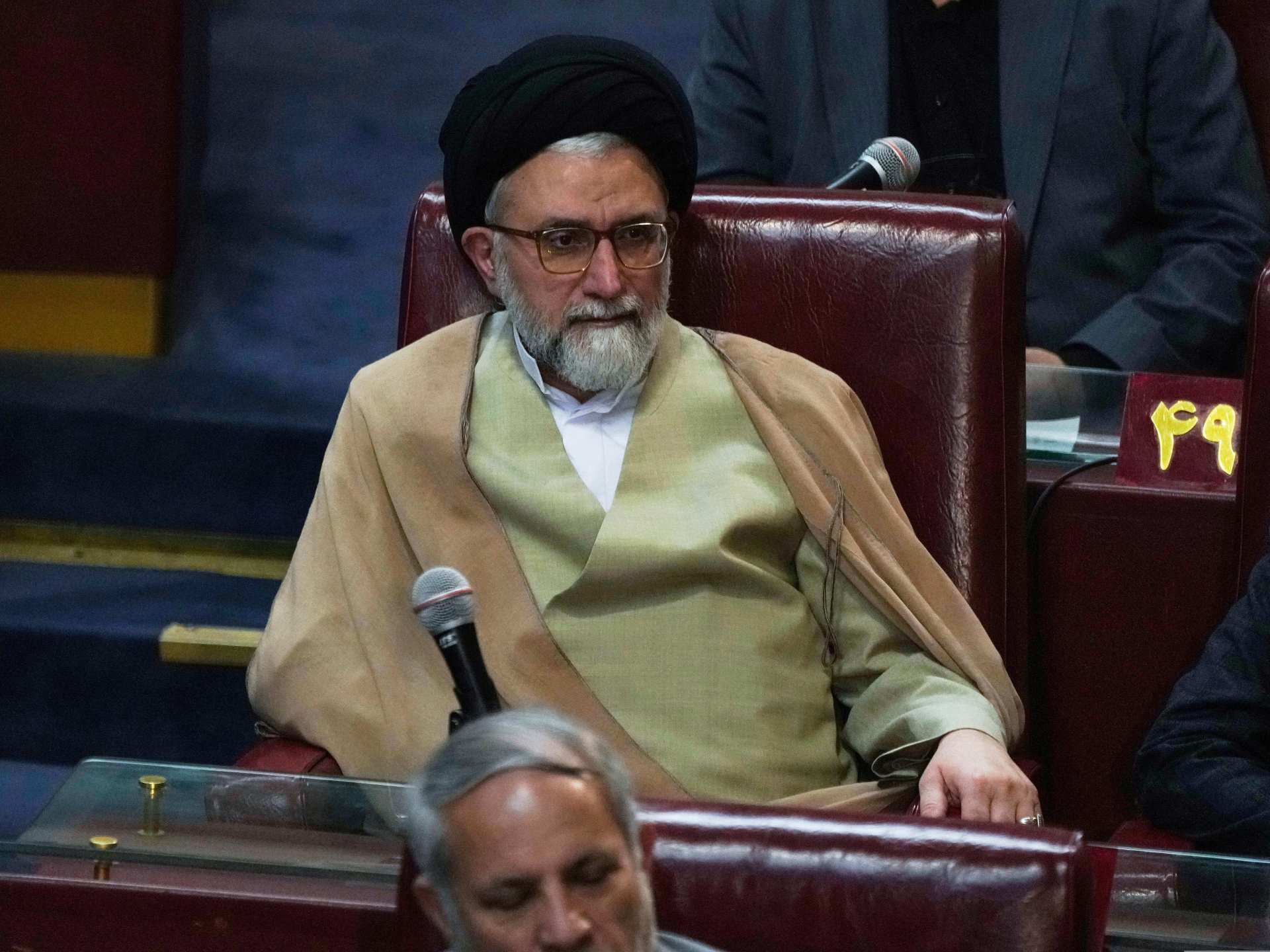
Systemic Attrition of Iran’s Intelligence Infrastructure
Israeli Defense Minister Israel Katz has formally announced the elimination of Iranian Intelligence Minister Esmail Khatib, representing a culminating point in a high-intensity kinetic campaign against Tehran’s senior leadership. This operation, if verified, constitutes the third high-profile assassination of an Iranian security official within a 48-hour window, suggesting a level of deep intelligence penetration capable of compromising the core of the Islamic Republic’s security architecture.
The removal of a sitting Intelligence Minister effectively disrupts the primary node for domestic surveillance, counter-espionage, and the orchestration of regional proxy networks. Khatib’s role was foundational to maintaining internal regime stability and managing clandestine foreign operations; his sudden removal creates an immediate vacuum in operational continuity and strategic coordination.
While Iranian state media maintains an official silence, the Israeli declaration functions as both a tactical claim and a sophisticated psychological operation. By publicizing the strike, Israel highlights a significant breach in Iranian counter-intelligence, challenging the perceived invulnerability of high-ranking officials within the clerical establishment.
Degradation of Paramilitary and Command Hierarchies
The reported death of Esmail Khatib coincides with the claimed eliminations of Ali Larijani, a pivotal security advisor, and General Gholam Reza Soleimani, head of the Basij paramilitary force. The loss of Soleimani is particularly consequential, as the Basij serves as the primary mechanism for internal security and the grassroots mobilization wing of the Islamic Revolutionary Guard Corps (IRGC).
Soleimani’s leadership was critical for suppressing domestic dissent and ensuring ideological adherence within the paramilitary ranks. His removal complicates the regime’s ability to maintain a centralized command structure over all-volunteer forces. Similarly, the loss of Ali Larijani removes a veteran interlocutor who bridged high-level security coordination across disparate government branches, further eroding Iran’s decision-making capacity during a period of acute regional friction.
US Kinetic Escalation and the Strait of Hormuz
In a parallel strategic move, U.S. Central Command confirmed the deployment of 5,000-pound deep penetrator munitions against Iranian missile sites positioned along the Strait of Hormuz. These strikes targeted hardened, sub-surface infrastructure, signaling a shift from defensive posturing to the active degradation of Iran’s Anti-Access/Area Denial (A2/AD) capabilities.
The Strait of Hormuz, through which approximately 20% of global oil supplies transit, remains the world’s most sensitive maritime choke point. The use of heavy ordnance against these installations serves to diminish Tehran’s ability to utilize geographic leverage as an economic weapon, though the strikes simultaneously introduce significant volatility into global energy markets.
Institutional Friction within the U.S. Security Apparatus
The resignation of Joe Kent, Director of the U.S. National Counterterrorism Center (NCTC), underscores internal policy rifts regarding the current administration’s regional strategy. Kent’s departure, cited as a matter of conscience, reveals a disconnect between career intelligence professionals and executive-level kinetic directives.
As the NCTC is the primary hub for integrating global terrorism intelligence, a leadership vacancy during an active conflict may hamper the synthesis of retaliatory threat assessments. This internal friction suggests that the long-term strategic costs of the current escalation are a subject of intense debate within the American intelligence community.
Iranian Doctrine of Resilience and Market Volatility
Iranian Foreign Minister Abbas Araghchi has attempted to project institutional stability, asserting to Al Jazeera that the Islamic Republic’s survival is not tethered to individual figures. This rhetoric aims to reassure domestic cadres and regional proxies that the state’s decentralized operational framework remains intact despite significant leadership attrition.
However, the convergence of targeted assassinations and strikes on critical energy corridors has placed global markets on high alert. The potential for asymmetric Iranian retaliation—whether via maritime disruption or proxy engagement—adds a persistent risk premium to oil pricing. Defense Minister Katz’s promise of further ‘surprises’ suggests that the current campaign has entered a multi-phased offensive stage, forcing Tehran to prioritize internal survival over regional power projection.