
Hydraulic Thresholds and Structural Integrity at Wahiawa Reservoir
The operational stability of the Wahiawa Dam currently rests at a critical intersection of hydraulic capacity and emergency management limits. Recorded at 83 feet, the reservoir is within a seven-foot margin of its 90-foot structural failure threshold. This narrow buffer serves as the primary metric for the Honolulu Department of Emergency Management, necessitating high-precision monitoring as meteorological volatility threatens to erode the remaining basin capacity. The 90-foot mark is not merely a volumetric measurement but a definitive trigger for escalating public safety interventions where structural overtopping or breach becomes a probabilistic certainty.
Logistical Dynamics of the Two-Hour Evacuation Window
Emergency planners have established a two-hour lead time as the operational baseline for a full-scale evacuation of Waialua and Haleiwa. This window represents a calculated balance between public safety and the logistical friction inherent in moving large populations through constrained coastal corridors. The strategy aims to preempt the onset of catastrophic damage, allowing residents to clear inundation zones before critical road networks are compromised by fast-moving downstream flow. Execution relies on seamless real-time data integration; any acceleration in rainfall intensity could compress this timeline, highlighting the necessity of the ‘abundance of caution’ mandate for individuals requiring additional mobility assistance.
Downstream Vulnerability and Systemic Risk Indicators
The mandatory evacuation of Otake Camp serves as a diagnostic precursor to broader regional exposure. As a primary point of vulnerability within the drainage basin, the saturation and subsequent flooding of this area indicate that localized drainage systems have reached a tipping point. In the event of a breach, the hydrostatic pressure would follow established topographical channels toward Waialua and Haleiwa, likely overwhelming existing flood defenses. This risk profile differentiates between static flood damage and high-velocity structural failure, a distinction central to the agency’s strategic warnings for downstream commercial and residential stakeholders.
Institutional Management and Proactive Risk Mitigation
Under the leadership of Dr. Randal Collins, the Department of Emergency Management has transitioned to a proactive posture, prioritizing life safety over the economic friction of a potential false alarm. By publicizing the 83-foot current level against the 90-foot failure mark, the agency provides a transparent, data-driven anchor for public compliance. This institutional strategy addresses the systemic challenges of managing aging infrastructure during severe weather events, where the variables of soil saturation and spillway efficiency determine the feasibility of containment. The ongoing monitoring cycle represents a critical feedback loop between engineering assessments and regional policy execution.
Economic and Policy Implications of Infrastructure Failure
A failure at Wahiawa Dam would precipitate a cascade of structural and economic disruptions, isolating North Shore communities and necessitating massive capital outlays for utility and road reconstruction. Beyond immediate emergency response, such an event forces a reassessment of land-use policies and insurance viability in high-risk zones. The strategic importance of the reservoir as a hydrological asset underscores the urgency of integrating climate resilience into long-term infrastructure maintenance. This crisis highlights the necessity for state-level investment in dam reinforcement and spillway expansion to align with increasingly volatile meteorological patterns.
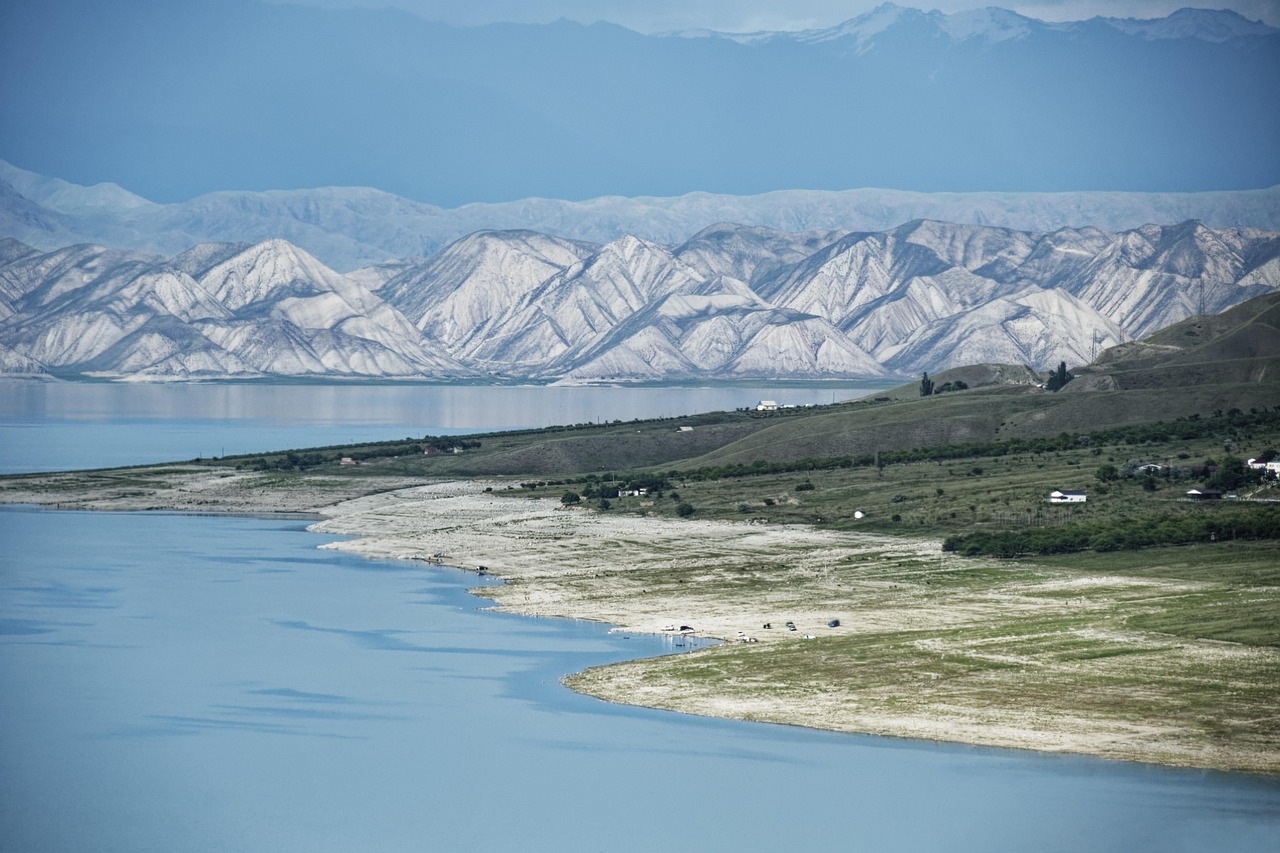
Cover photo by Makalu on Pixabay.