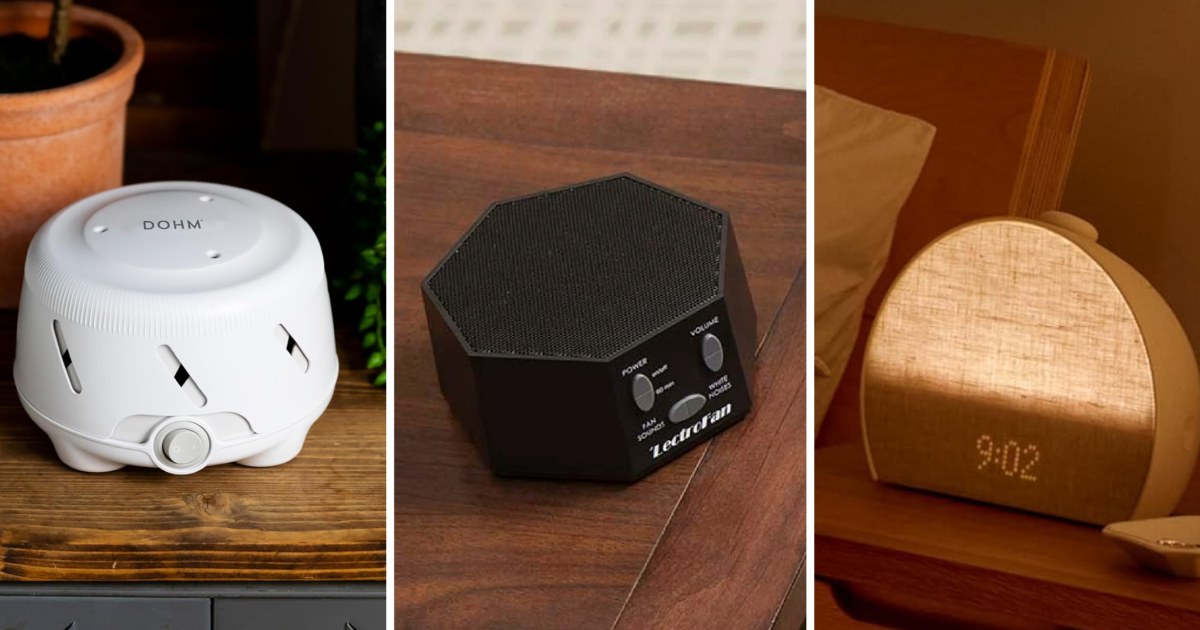
White Noise Sleep Aids Under Scrutiny After New Study Findings
The widespread use of white noise machines and apps as sleep aids is being re-examined following new research indicating potential adverse effects on sleep quality. Despite broad recommendations from experts and consumer adoption, a recent study suggests continuous auditory stimulation may paradoxically impair crucial restorative sleep stages.
The global sleep aid market is substantial, driven by pervasive concerns over adequate rest. The immense consumer engagement is evident in platforms like Apple’s App Store, where “white noise” applications boast tens of thousands of ratings, and YouTube, where similar content garners hundreds of millions of views, highlighting significant capital investment and consumer reliance.
Expert Consensus Questioned by New Research
Previously, the consensus, articulated by figures like Dr. Michael Gradisar of Sleep Cycle, held that white noise effectively masks disruptive environmental sounds, aiding sleep onset and maintenance. This view underpinned recommendations from numerous sleep specialists and wellness platforms, positioning these devices as a primary solution for sleep disturbances.
These devices typically emit consistent, low-frequency sounds to create a uniform auditory environment, intended to override jarring external noises like traffic or sudden disturbances that fragment sleep architecture. The market responded with a proliferation of models, often validated by internal testing or editorial reviews, vying for consumer attention.
University of Pennsylvania Study Reveals Impact on Deep Sleep
A comprehensive study from the University of Pennsylvania, published in the journal *Sleep*, provides critical counter-evidence. The research monitored 25 healthy adults in a controlled laboratory setting, assessing sleep patterns under various auditory conditions, including earplugs and environmental sounds like airplane noise and “pink noise.” Pink noise, a softer, more balanced sound akin to rainfall, has historically been considered a potentially beneficial alternative.
The study’s findings indicate that continuous background sound exposure, even seemingly soothing sounds like pink noise, may significantly reduce deep sleep duration and quality. Deep sleep is vital for physical restoration, memory consolidation, and cognitive function. This suggests that widely adopted sleep aids might be compromising the most critical aspects of rest. The study’s controlled methodology lends considerable weight to its conclusions, despite its limited sample size and duration.
Market and Consumer Behavior Implications
These findings have substantial implications for the booming sleep technology market, potentially necessitating a re-evaluation of product development and marketing strategies. Companies heavily invested in white noise solutions may face pressure to substantiate their claims or pivot to alternative technologies. Consumer trust, paramount in the health sector, could be eroded if perceived benefits are demonstrably outweighed by negative impacts on sleep architecture.
The broad consumer demand for accessible and effective sleep solutions fuels considerable market leverage. The widespread availability and relatively low cost of white noise machines and apps have cemented their popularity, often recommended over more complex interventions. Any significant shift in understanding efficacy could thus have widespread repercussions across numerous consumer electronics and wellness brands.
Strategic Realignments in Sleep Science and Technology
For sleep science institutions and practitioners, the study calls for a critical review of current recommendations. The reliance on constant sound generation for noise masking may require a more nuanced approach, considering auditory stimuli’s impact on specific sleep stages. This could lead to a strategic shift, emphasizing personalized sleep hygiene, Cognitive Behavioral Therapy for Insomnia (CBT-I), and other evidence-based interventions that address root causes rather than solely managing symptoms.
Product developers face operational challenges in designing future sleep-promoting technologies. Exploration into less intrusive sound profiles for deep sleep stages or adaptive soundscapes that respond to individual sleep cycles may be necessary. The competitive landscape will likely see increased focus on R&D to validate novel approaches that demonstrably enhance, rather than potentially hinder, sleep quality.
Broader Health Context and Future Research Needs
This research emerges within a broader context of increasing awareness regarding sleep health’s multifaceted nature. Beyond sleep onset, sleep quality and its restorative power are recognized as critical determinants of overall well-being. The potential for white noise to interfere with deep sleep raises concerns about long-term health consequences, including cognitive impairment, weakened immunity, and increased susceptibility to chronic diseases, echoing concerns raised about other common sleep aids.
Significant capital flows into the sleep wellness industry are driven by a global population experiencing sleep deficits. This new research introduces complexity, suggesting some widely adopted solutions may not align with achieving truly restorative sleep. Stakeholders must navigate this evolving understanding to make informed decisions about sleep management.
Industry Adaptation and Evolving Sleep Management Strategies
The limitations of the University of Pennsylvania study, particularly its duration, underscore the necessity for further extensive research to confirm and expand upon these findings. Longitudinal studies examining the long-term effects of consistent white noise use on sleep architecture and health outcomes are crucial. This ongoing scientific inquiry will shape future product innovation and regulatory considerations within the sleep aid market.
Ultimately, the findings challenge the prevailing, often simplistic, approach to sleep management via auditory masking. They highlight the importance of a holistic view of sleep, considering intricate physiological processes and the potential for even well-intentioned interventions to yield unintended consequences. The industry’s ability to adapt to this emerging scientific consensus will be critical for its future success and contribution to public health.