Midwest Infrastructure Faces Compounded Risk from Wind and Heavy Snow
A significant weather pattern is converging on the Midwest, presenting a complex set of operational challenges for regional infrastructure and logistics networks. The system involves two distinct phases: an initial high-wind event followed immediately by a major winter storm, creating a compounding risk profile for utilities and transportation. This sequential threat requires distinct resource allocation strategies to manage immediate damage response and subsequent heavy snow mitigation.
Infrastructure Vulnerability and Compounded Disruption
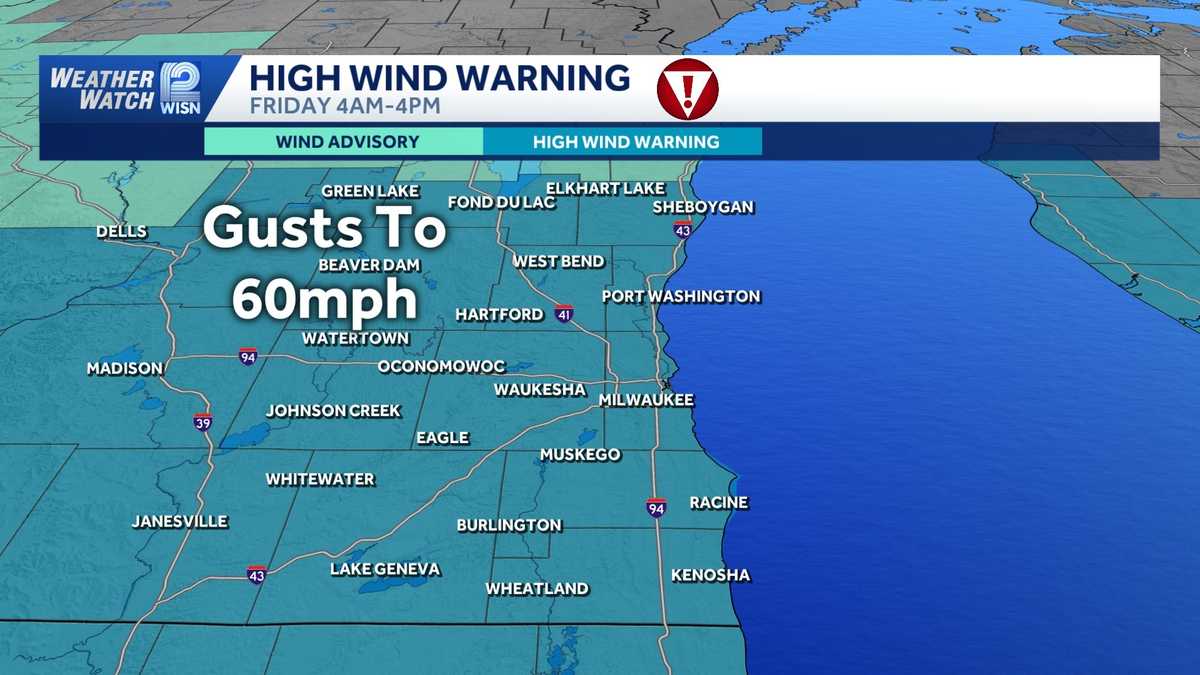
The first phase, characterized by high wind warnings with gusts reaching up to 60-65 miles per hour, introduces immediate operational instability. This high-velocity wind poses a specific threat to power transmission and distribution infrastructure by increasing the risk of downed power lines and damaged equipment. The challenge for utility operators lies in pre-positioning crews and equipment for wind damage before the main precipitation event arrives, often complicating preparatory measures for subsequent snow clearance.
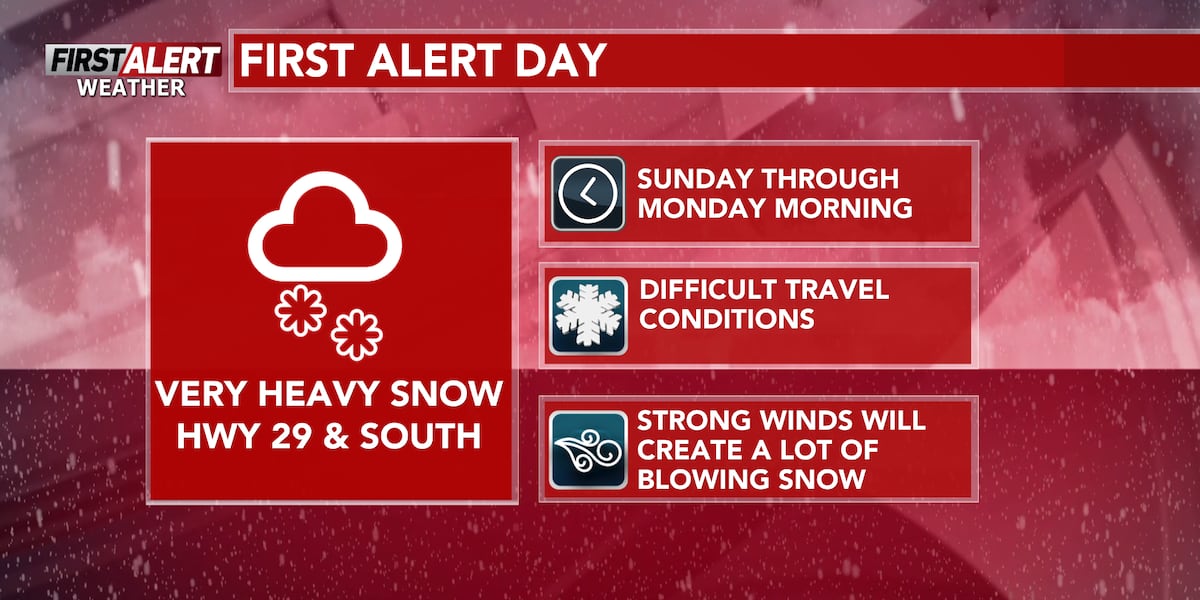
The subsequent winter storm introduces a compounding set of challenges, particularly concerning the nature of the precipitation. The forecast anticipates significant wet snow, which carries a higher density and weight compared to dry snow. This increases the load on power lines and tree branches, heightening the risk of infrastructure failure and prolonged service disruptions. For public works departments, this creates a resource management challenge: wind-related debris removal may be required before snow plowing can begin, potentially delaying road clearing efforts and impacting emergency access.
Logistics and Supply Chain Resilience
The storm’s timing over the weekend and into Monday directly impacts regional logistics and supply chains, particularly those reliant on just-in-time inventory systems. The forecast notes a critical short-term opportunity on Saturday for businesses to adjust inventory and delivery schedules before conditions deteriorate on Sunday. The potential for heavy snowfall and blowing snow, coupled with high winds, creates hazardous driving conditions that can halt ground transportation. Businesses reliant on regional distribution centers must activate contingency plans to mitigate delays and potential spoilage of perishable goods.
The variability of the freezing line further complicates planning, as different parts of the region experience varying conditions, requiring localized adjustments to delivery routes and schedules. The mention of potential school and business closures highlights the broader economic impact of the storm, resulting in lost productivity and reduced consumer activity, creating downstream effects on local economies.
Financial Implications and Long-Term Adaptation
The combination of high winds and heavy, wet snow creates a specific risk profile for property damage. High winds can cause structural damage, while heavy snow load can lead to roof collapses. For insurance companies, this necessitates preparing for a potential increase in claims related to both wind damage and snow-related structural failures. Business interruption claims, arising from power outages and transportation disruptions, further increase the financial exposure for insurers and local businesses.
This event underscores broader trends in regional climate adaptation. The increasing frequency of severe weather events, including high winds and heavy snow, necessitates long-term strategic planning for infrastructure resilience. Utilities and public services must invest in hardening infrastructure to withstand these recurring threats. The ability to accurately forecast the freezing line and anticipate the specific type of precipitation allows for more precise resource allocation and risk mitigation strategies, essential for maintaining operational continuity and minimizing economic disruption.